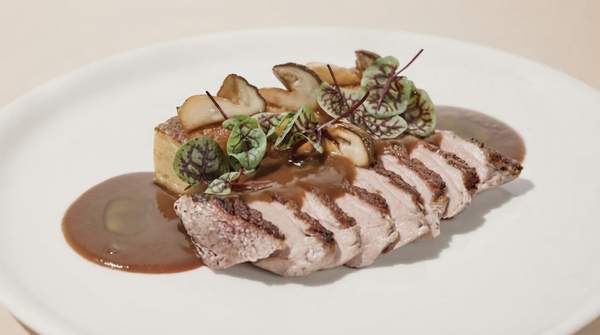
At London's St. John restaurant, a single pig's head transforms into brawn, rillettes, and crispy ears, feeding dozens. This embodies a philosophy that once stretched wartime rations, a stark contrast to global trends where 14% of food, often meat, is lost between harvest and retail, according to the UN Food and Agriculture Organization. Nose-to-tail eating offers profound environmental and culinary benefits, yet it battles deeply ingrained cultural preferences for prime cuts and convenience. As Chef Fergus Henderson, a pioneer, famously declared, 'If you're going to kill the animal, it seems only polite to use the whole thing.' This echoes ancient traditions, from Italian quinto quarto to Chinese offal dishes, where using every part was necessity, not novelty, according to Culinary Anthropology Review. Despite these hurdles, rising awareness of food waste and the quest for unique flavors suggest nose-to-tail principles will slowly permeate both high-end dining and home kitchens. What was once born of necessity now becomes a deliberate, ethical choice.
What is Nose-to-Tail Eating?
Nose-to-tail eating means using every edible part of an animal – organs, bones, less common cuts – to minimize waste and maximize flavor, as defined by The Oxford Companion to Food. It embraces the whole animal. Think liver, heart, kidneys, tongue, tripe, trotters, and marrow bones. These cuts burst with nutrients and distinct flavors, according to the Butcher's Guide to Offal. Historically, this was standard across cultures, from indigenous hunters to European peasants; no part was wasted. Modern industrial butchery, however, often prioritizes convenience and consumer demand for specific 'prime' cuts, leaving significant portions undervalued or discarded. This shift has severed a vital connection to the animal, reducing its life to a few choice pieces.
The Culinary and Ethical Imperative
Using the whole animal shrinks meat production's environmental footprint, easing demand for more animals and cutting landfill waste, according to the Environmental Food Systems Journal. This makes it a potent answer to our inefficient food systems. Organ meats like liver and heart, for instance, often surpass muscle meat in nutrient density, brimming with vitamins (A, B), iron, and essential minerals, reports the Journal of Nutritional Science. Chefs, too, discover unique textures and flavor profiles in these less common cuts, pushing culinary boundaries beyond standard steaks. Yet, a significant hurdle remains: consumer perception. A 2022 survey revealed 60% of consumers felt discomfort with organ meats, citing texture and taste, according to Food Consumer Insights. This widespread aversion means a wealth of flavor and nutrition goes untapped, demanding a cultural shift and new culinary skills.