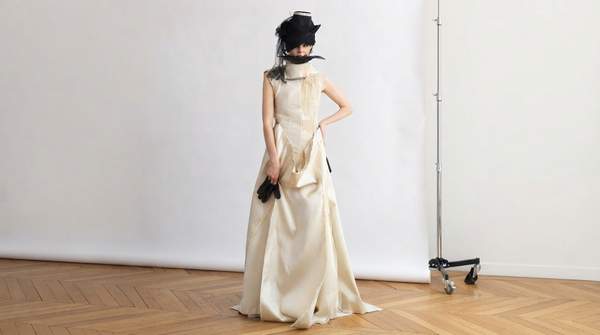
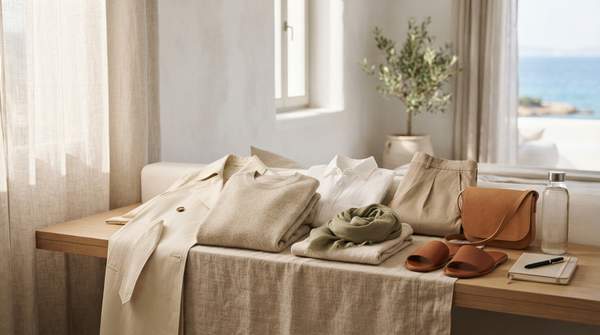
Fashion editor Tiffanie Darke manages her entire wardrobe with just 10 key items, adhering to an 80/20 rule for classics and 'personality pieces', as reported by the BBC. A lean approach, surprising for a fashion professional, proves that refined personal style needs no vast inventory; it demands utility and individual expression.
Yet, many associate capsule wardrobes with strict minimalism and generic lists, creating tension between perceived restriction and true sartorial freedom. The most effective approach in 2026 is highly personalized and flexible, moving beyond prescriptive templates.
Embracing this personalized method appears likely to lead to greater style satisfaction, reduced consumer waste, and a more intentional relationship with clothing. It empowers individuals to cultivate a distinctive aesthetic while promoting mindful consumption.
Understanding the Core of a Personalized Capsule Wardrobe
An effective capsule wardrobe is a curated collection, reflecting individual aesthetic choices, not universal standards. Forbes states these wardrobes must tailor to personal style, rejecting rigid, one-size-fits-all lists. Forbes' emphasis on tailoring to personal style, rejecting rigid, one-size-fits-all lists, challenges the very idea of a generic fashion template.
Tiffanie Darke's strategy exemplifies this personalization: her 10-item wardrobe follows an 80/20 rule—80% classics, 20% 'personality pieces', as reported by the BBC. Tiffanie Darke's 10-item wardrobe, following an 80/20 rule, proves that even a limited collection thrives on individual distinction; success lies in intentionality, not merely fewer items.
Many minimalist attempts fail because they begin with generic templates. A truly effective capsule wardrobe amplifies individual style, rather than restricting it. Success demands a deep understanding of one's existing habits and preferences before any new purchases.
Building and Curating Your Capsule Wardrobe
Curating a capsule wardrobe begins with evaluating your current closet. Identify what you wear most and understand why, establishing a baseline, advises Forbes. Evaluating your current closet and identifying what you wear most, as advised by Forbes, is critical for personalized construction, shifting focus from quantity to strategic utility and personal expression.
Prescriptive approaches, like The Mom Edit's suggestion of a module with 2 pairs of pants, 3 tops, 1 outer layer, and 1 pair of shoes, contrast sharply with personalized methods. Such generic item counts undermine the tailored fit crucial for long-term satisfaction, often setting users up for failure.
When shopping, consider an item's cut, its longevity versus fleeting trends, and examine stitching, fabric quality, and finishing details, Forbes advises. Strategic planning—from initial assessment to mindful purchasing of durable, versatile items—is essential for a functional, expressive capsule that evolves with your style.
Common Missteps in Capsule Wardrobe Creation
Many consumers attempting capsule wardrobes without deep self-reflection are likely to fail. True style simplification is a psychological exercise, not merely a shopping list. Forbes emphasizes evaluating existing wardrobes and understanding why pieces are worn, while Tiffanie Darke's 80/20 rule (BBC) reinforces this internal assessment as paramount.
The stark contrast between The Mom Edit's generic 'module' and Forbes' insistence on personalized tailoring reveals a fundamentally flawed mainstream understanding of capsule wardrobes. The stark contrast between The Mom Edit's generic 'module' and Forbes' insistence on personalized tailoring reveals a fundamentally flawed mainstream understanding of capsule wardrobes, often leading to restrictive systems that stifle, rather than empower, individual expression.
Companies marketing 'starter' capsule wardrobe kits based on generic item counts undermine customer success. Forbes' advice on quality, cut, and longevity indicates effective capsule building is an investment in durable, personally resonant pieces, not just basics. Even expressive fashion within a minimalist framework demands a long-term investment perspective.
Refining Your Capsule Wardrobe Over Time
To maintain an effective capsule wardrobe, regularly reassess its contents against evolving personal style and lifestyle needs. This ongoing evaluation prevents stagnation, ensuring each piece continues to serve its purpose and adapts to individual changes.
Focus on the longevity and versatility of new acquisitions. Selecting items crafted from high-quality fabrics—finely woven wools or durable silks—ensures they withstand repeated wear and integrate seamlessly into multiple outfits, enhancing the collection's overall utility.
Incorporate 'personality pieces' thoughtfully. They should not be fleeting trends, but distinctive, well-made items providing unique stylistic anchors. These 20% of your wardrobe, as Tiffanie Darke suggests, are investments that elevate and individualize your core classics, offering unique expressions of self.
What are the benefits of a capsule wardrobe?
A personalized capsule wardrobe reduces decision fatigue by streamlining choices and enhances personal style through intentional curation. It promotes sustainable consumption by prioritizing quality over quantity, minimizing impulse purchases and textile waste. A personalized capsule wardrobe reduces decision fatigue by streamlining choices and enhances personal style through intentional curation, promoting sustainable consumption by prioritizing quality over quantity, minimizing impulse purchases and textile waste, and fostering a more intentional relationship with clothing.
How many items should be in a capsule wardrobe?
The ideal number is highly personal, varying by lifestyle and preferences. Fashion editor Tiffanie Darke manages her entire collection with just 10 key items, demonstrating that quality and versatility outweigh sheer volume for a style professional.
What is a minimalist capsule wardrobe?
A minimalist capsule wardrobe emphasizes a highly curated collection of versatile, high-quality pieces aligned with individual style and needs. It moves beyond generic lists, focusing on intentionality and personal expression rather than simply owning fewer items, ensuring each piece serves a specific, valued purpose.
If individuals embrace profound self-awareness and strategic investment over rigid lists and fleeting trends, a personalized capsule wardrobe appears likely to redefine fashion consumption by 2026, fostering both authentic style and sustainable practices, much like Tiffanie Darke's curated collection.