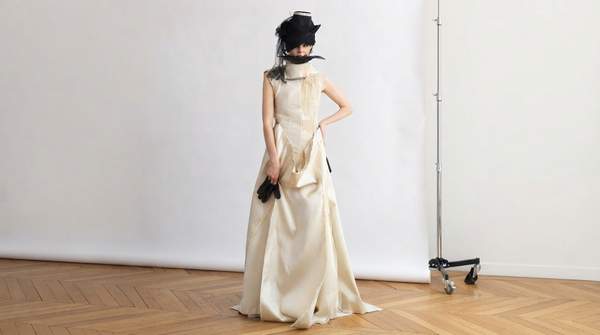
In a 2026 museum retrospective, a single curatorial decision—how to display a forgotten designer's early sketches—can redefine their legacy. Focus shifts from commercial success to artistic innovation, as viewers trace nascent creativity through delicate line work or initial fabric considerations. Emphasis on process over output reshapes the perception of an entire body of work.
Fashion exhibitions are often seen as historical accounts, but they are subjective narratives crafted by curators. The fashion curator's role will increasingly be recognized as a creative, interpretive force, not merely an academic one, leading to dynamic, if less historically rigid, presentations.
Beyond the Archives: Defining the Curator's Role
According to jobzmall, a fashion curator focuses on presentation, while a historian delves into context and evolution. This clarifies that a curator actively shapes the experience and meaning of fashion for an audience, rather than merely documenting its past. While historians research garment provenance, curators synthesize findings into compelling public narratives. This division means institutions educating the public through exhibitions inadvertently shape historical understanding via an aesthetic, often anachronistic, lens, rather than a purely factual one.
Crafting the Narrative: How Curators Build Worlds
Curators meticulously select garments and archival materials, prioritizing thematic resonance over strict chronology to build cohesive stories. This selective process, focused on visual impact and narrative flow, forges new connections between disparate pieces, diverging from purely academic displays. Exhibition design—lighting, spatial arrangement, mannequin styling—evokes specific moods and guides the visitor's emotional journey. Textual elements, from labels to multimedia, reinforce the chosen narrative, offering interpretive layers, not just facts. These choices transform static collections into dynamic, interpretive stories, revealing the curator as an active shaper of perception.
The Impact: Why Curatorial Vision Reshapes Fashion's Legacy
A compelling curated narrative dramatically increases public interest and attendance, making complex fashion histories accessible to diverse audiences. This ensures fashion's past enters broader cultural conversations, beyond academic circles. Curatorial decisions reframe designers' legacies, challenging conventional understandings of fashion history. The aesthetic presentation directly influences cultural resonance, inspiring contemporary designers and shaping future trends by recontextualizing the past. Curators, by actively shaping how fashion is presented, ensure its continued vitality and relevance, bridging historical significance with contemporary impact.