What Is a Timeless Sustainable Fashion Collection?

By 2050, the fashion industry is anticipated to use up to 25% of the world's carbon budget, a stark projection from PMC .

AC
Adrianne Cole

May 5, 2026 · 4 min read

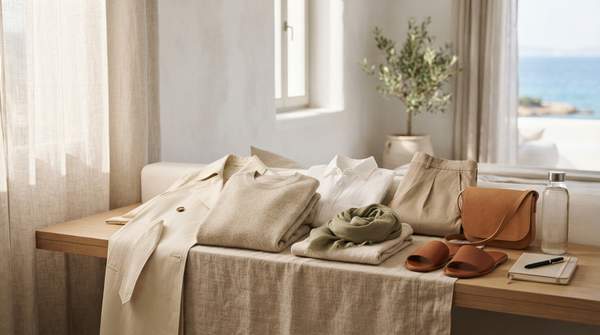
A minimalist wardrobe filled with timeless, sustainable fashion pieces in neutral colors, bathed in natural sunlight, representing longevity and conscious consumption.

By 2050, the fashion industry is anticipated to use up to 25% of the world's carbon budget, a stark projection from PMC. The global emissions share, four times that of air travel, reveals the severe ecological strain from current production. Rapid fashion cycles, driven by insatiable demand, directly contribute to escalating waste and pollution, threatening planetary health.

Consumers are drawn to fast fashion's perceived affordability and endless novelty. Yet, this convenience comes at a severe expense to environmental health and long-term personal value. The relentless pursuit of quick turnarounds compromises quality, ethical labor, and sustainability, creating a deceptive sense of value that masks true costs.

The environmental and financial unsustainability of rapid consumption is clear. A deliberate pivot towards timeless, high-quality, and ethically produced garments is the only viable path for personal style and planetary well-being. True value lies not in quantity or fleeting trends, but in enduring quality and versatility. Enduring quality and versatility foster a wardrobe serving both individual elegance and ecological responsibility.

The Core Principles of Timeless and Sustainable Style

A timeless wardrobe demands investment in fewer, superior items. Consider one impeccably crafted cashmere sweater over a dozen cheap knits that quickly lose shape, advises Cedarandlilyclothier. Such investment prioritizes material value and construction, ensuring longevity beyond seasonal fads. Investing in well-made essentials means shopping less often, as Shopthegallery notes, directly lessening demand for rapid production and its environmental burden. Shopping less often shifts focus from disposable trends to durable, high-value garments, cultivating a deeper appreciation for craftsmanship and material integrity. The implication is a curated collection where each piece is chosen for enduring appeal and functional resilience, not fleeting novelty.


Crafting a Versatile and Polished Collection

Versatility is key for a timeless collection. A classic trench coat, for example, transitions from work to formal events or casual wear, maximizing utility and reducing wardrobe expansion, according to Cedarandlilyclothier. Such adaptability makes pieces indispensable for a streamlined, sophisticated style.

A perfect fit is non-negotiable for a luxurious, put-together look, as Cedarandlilyclothier also notes. Well-draped, flattering garments elevate appearance regardless of cost. Attention to tailoring ensures even simple items convey refinement and intentionality, contributing to an enduring aesthetic. Prioritizing versatility and impeccable fit cultivates a wardrobe that serves practical needs and projects thoughtful elegance, transforming clothing into genuine investments in personal presentation.

The Deceptive Economics of Fast Fashion

Fast fashion's initial sticker price is deceptive. Compromised quality leads to frequent replacements, making a curated wardrobe of fewer, better items a more cost-effective long-term investment. This cycle of disposability, driven by quick turnarounds, means consumers unknowingly pay a premium for garments designed for obsolescence.

Fast fashion brands prioritize these quick turnarounds by compromising quality and ethical standards, contrasting sharply with a timeless wardrobe's philosophy of durable items. The contrast between fast fashion's quick turnarounds and a timeless wardrobe's philosophy creates a conflict: immediate gratification versus sustainable consumption. The true cost of 'affordability' is hidden in environmental degradation and constant replenishment. As Cedarandlilyclothier and Shopthegallery demonstrate, investing in higher-quality items is not just ethical, but the only truly economical path to a lasting wardrobe. Investing in higher-quality items reframes clothing purchases from transient transactions to considered investments, offering financial prudence and environmental responsibility.

Mitigating Environmental Impact Through Conscious Consumption

The relentless demand for fast fashion's quick turnarounds directly contributes to the industry's projected 25% share of the world's carbon budget by 2050, as PMC reports. The link between consumer desire for novelty and environmental catastrophe necessitates a shift in purchasing habits. The speed of new collections and their subsequent discard exacerbates the industry's ecological footprint, from resource extraction to waste. Companies shipping fast fashion trade perceived affordability for an unsustainable future. The environmental consequences, including vast textile waste and greenhouse gas emissions, prove fast fashion's 'bargains' carry an exorbitant planetary price. True sartorial luxury comes from strategically selecting versatile, perfectly fitted pieces, not sheer quantity, as Cedarandlilyclothier suggests. Strategically selecting versatile, perfectly fitted pieces reduces constant consumption, countering fast fashion's endless novelty and making wardrobes more functional, stylish, and sustainable. Embracing a deliberate approach to clothing acquisition is paramount for both personal style and ecological health.

What are the key principles of sustainable fashion?

Sustainable fashion emphasizes longevity, ethical production, and reduced environmental impact. Principles include prioritizing durable, high-quality materials, supporting fair labor practices, and minimizing waste through recycling or upcycling. It encourages considering a garment's entire lifecycle.

How can I make my wardrobe more sustainable?

Focus on purchasing fewer, higher-quality items that last. Opt for natural fibers like organic cotton or linen. Consider second-hand shopping or rental services. Repair garments instead of replacing them, and dispose of textiles properly through donation or recycling.

What makes a fashion collection timeless?

A timeless collection adheres to classic silhouettes, versatile designs, and superior craftsmanship, transcending fleeting trends. Pieces with clean lines, neutral colors, and enduring fabrics like wool or silk maintain aesthetic relevance and structural integrity for years, serving as foundational elements of a sophisticated wardrobe.

If consumers continue to pivot towards durability and ethical production, the fashion industry may likely mitigate its projected environmental impact, allowing for both elevated personal style and a more sustainable future.