Forget sun, soil, and slope: recent research suggests the unique taste of your favorite vintage might actually be shaped by invisible microbial communities living in the vineyard's soil. This challenges the long-held belief that terroir's essence is solely about macroscopic factors. These microscopic ecosystems, often overlooked, exert a profound influence on the grape's development and the final product's sensory profile, dictating nuances from aroma to mouthfeel.
While terroir has historically been a broad, almost poetic concept, evoking a sense of place through visible elements, new scientific methods are revealing its precise, microscopic underpinnings. The romanticized notion of a wine's character emerging from a mystical blend of environment now confronts rigorous scientific scrutiny, demanding a more granular understanding. Based on this emerging evidence, the future of winemaking will likely involve a deeper, data-driven understanding and manipulation of microbial ecosystems to craft specific flavor profiles and ensure authenticity, moving beyond traditional intuition toward verifiable biological processes.
Beyond Soil and Climate: The Microbial Dimension of Terroir
For centuries, French winemakers defined terroir by a region's specific climate, geology, and topography. This traditional concept emphasized how a vineyard's location, sun exposure, and soil type collectively contributed to a wine's distinct character, a broad environmental synergy passed down through generations of observation.
However, recent studies in 2026 indicate that microbes found in soil significantly impact wine taste and quality, influencing what is commonly called wine terroir, according to soil types effect on grape and wine composition in helan ... - pmc. This revelation shifts focus from visible environmental factors to the invisible biological interactions beneath the surface. The 'magic' of terroir, long attributed to broad environmental factors, is now being precisely mapped to the microscopic biological interactions of grapevine-associated microbial communities. These communities interact with the grapevine, influencing nutrient uptake, stress responses, and the synthesis of secondary metabolites in the grapes. These metabolites are the direct precursors to a wine's aromas, colors, and flavors, making the invisible world of microbes a primary determinant of a wine's character.
Unlocking Microbial Secrets with 'Omics' Technologies
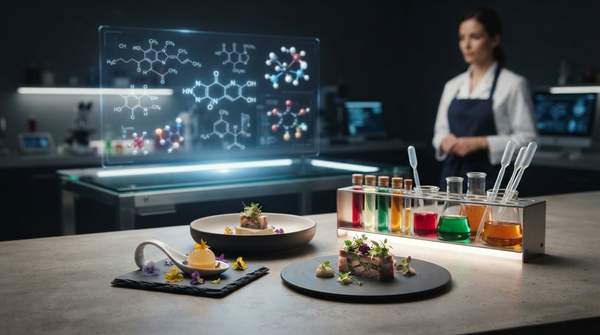
Researchers increasingly employ advanced genetic tools to identify the specific microbial communities shaping wine flavor. These sophisticated methods allow scientists to move beyond mere observation, delving into the genetic and functional roles of countless microorganisms within the vineyard ecosystem. High-throughput omics approaches, such as shotgun sequencing and transcriptomics, are vital for determining the specific mechanisms by which soil microbes influence grape chemistry, according to soil microbial communities and wine terroir: research gaps ... - pmc. Shotgun sequencing maps the entire genetic content, identifying species and functions, while transcriptomics reveals active gene expression and metabolic activities. These tools transform terroir from a qualitative appreciation into a quantifiable biological phenomenon, offering unprecedented opportunities to understand and potentially manage the intricate biological processes behind wine flavor development.
The Future of Flavor: Engineering Terroir?
By 2026, some winemakers anticipate using targeted microbial interventions to refine or even create specific flavor profiles in their wines. This marks a significant departure from traditional methods, where winemakers relied on existing vineyard conditions and empirical knowledge. Future winemaking success will hinge less on traditional soil management and more on the precise understanding and manipulation of vineyard microbiomes. Instead of simply reacting to environmental conditions, vintners could proactively foster specific microbial communities that enhance desired aromatic compounds or mitigate undesirable traits, allowing for more consistent expression of a vineyard's unique potential. Companies investing in 'microbial terroir mapping' using omics approaches will gain an unparalleled competitive edge, consistently replicating and even engineering specific flavor profiles. This advanced insight could enable producers to fine-tune wines to specific market demands or adapt to changing climatic conditions, ushering in a new era of 'bio-engineered' vintages where scientific insight guides the art of winemaking.
Why Microbes Matter: Authenticity, Quality, and Sustainability
The 2021 study on Malbec wines from Mendoza, Argentina, provided concrete evidence that the microbial fingerprint of a vineyard contributes measurably to the chemical composition of grapes, directly impacting the final wine’s unique identity, according to terroir and vintage discrimination of malbec wines based on phenolic composition across multiple sites in mendoza, argentina | scientific reports. This research solidifies the scientific basis for what was once considered an intangible quality, proving crucial for validating the authenticity of regional wines and improving quality control. Understanding which microbes contribute to specific attributes allows winemakers to ensure their wines genuinely reflect their origin and maintain consistent quality year after year.
This scientific validation elevates the importance of vineyard biodiversity at a microscopic level. A healthy, specific microbial ecosystem is as crucial as grape varietal or climate for distinctive wine characteristics. This perspective encourages viticultural practices that support diverse microbial life, potentially reducing reliance on synthetic chemicals and fostering healthier, more resilient vineyards. Consumers might soon demand 'microbe-certified' wines, shifting focus from a vineyard's location to its biological health and the specific microbial fingerprint that defines its unique taste, fundamentally altering how wine quality is perceived and marketed.
Your Terroir Questions, Answered
What are examples of terroir in food beyond wine?
Terroir extends beyond wine, shaping products like specific cheeses, olives, and coffee beans. Comté cheese from the Jura mountains, for instance, owes its distinct nutty flavor to local pastures and indigenous milk bacteria. Ligurian olive oil's unique bitterness and aroma emerge from its specific microclimate and traditional olive varieties.
Is terroir important for cheese?
Yes, terroir is critically important for cheese. A region's specific grasses, herbs, and microbial populations directly influence milk composition and the cheese-making process. Parmigiano-Reggiano's distinct granular texture and complex flavors, for example, are inextricably linked to the native bacterial flora in milk from cows grazing its designated Italian production zone.
Can you taste terroir in coffee?
Coffee exhibits strong terroir characteristics, with altitude, soil composition, and processing methods shaping its flavor profile. Ethiopian Yirgacheffe coffee, for instance, offers bright, citrusy notes and floral aromas, a direct result of its high-altitude cultivation, specific heirloom varietals, and traditional washed processing. These elements combine to create a taste unique to its geographic origin.
The Unseen Architects of Wine
By 2026, leading wine institutions like the University of Bordeaux's Institute of Vine and Wine Sciences will likely offer specialized programs focusing on vineyard microbiome management. The offering of specialized programs focusing on vineyard microbiome management signals a new era for viticultural education and practice, where the unseen architects of wine receive the attention they deserve, driving both authenticity and innovation in the global wine market.