Form & Taste
FashionAccessoriesBeautyDesignBrandsTrends
Trending
Sustainable FashionFashionEthical FashionAccessoriesFashion TrendsInterior DesignRetailMarketing
Form & Taste—Exploring the Intersection of Style, Design, and Taste
FashionAccessoriesBeautyDesignBrands|WritersContactPrivacyTerms

© 2026 Form & Taste. All rights reserved.

  1. Home
  2. /Brands
  3. /Why Luxury Consumers Are Prioritizing Experiences Over Ownership
Brands

Why Luxury Consumers Are Prioritizing Experiences Over Ownership

In April 2023, Tiffany's iconic New York store reopened after years of renovation.

LB
Luca Bianchi

August 25, 2026 · 3 min read

Stylish consumers enjoying an immersive luxury experience, highlighting experiential retail over traditional ownership.

In April 2023, Tiffany's iconic New York store reopened after years of renovation. It emerged not merely as a jewelry store, but as an immersive 'Luxury Landmark' featuring a café, exhibition spaces, and personalized service. This substantial investment in a flagship location marked a dramatic shift in how luxury brands engage their clientele. Such a transformation aims to deepen emotional connections, moving beyond simple transactions to create memorable physical interactions.

Traditional luxury retail faces significant challenges. Saks Fifth Avenue announced bankruptcy and plans to close 18 stores, according to Philadelphia Magazine. Macy's closed 66 stores, also reported by Philadelphia Magazine. Yet, younger generations continue to spend significantly on luxury items, driven by different motivations. This creates a clear tension: traditional outlets decline while consumer demand persists.

Luxury brands that fail to adapt their physical presence, offering unique, emotionally resonant experiences, will likely see market share erode. Experience-driven consumers will seek brands aligning with their evolving values. This shift makes experiential pivots, like Tiffany's, a matter of survival, not just evolution.

The Shifting Sands of Luxury Retail

The widespread closure of traditional luxury retail outlets confirms a market recalibration. Saks Fifth Avenue announced plans to close 18 stores, according to Philadelphia Magazine. This move confirms a broader trend: large-format retailers struggle to maintain relevance in a changing consumer environment.

Macy's similarly closed 66 stores, also reported by Philadelphia Magazine. Macy's similarly closed 66 stores, revealing a fundamental failure to adapt to modern consumer expectations beyond mere product display. The traditional model, focused solely on transactional sales within static environments, no longer meets the evolving demands of luxury shoppers.

A physical presence alone is no longer a viable strategy without a significant experiential overhaul. The declining footprint of these established retailers shows consumers seek more than just access to products; they desire engagement and a deeper connection with brands. The implication is clear: the physical store must now offer a narrative, not just merchandise.
Gen Z's Surprising Luxury Spending Habits

  • 41% — of Gen Z in the US acquired a mechanical luxury watch, according to thewalpole.
  • $10,870 — is the average spend for a mechanical luxury watch among Gen Z in the US, according to thewalpole.

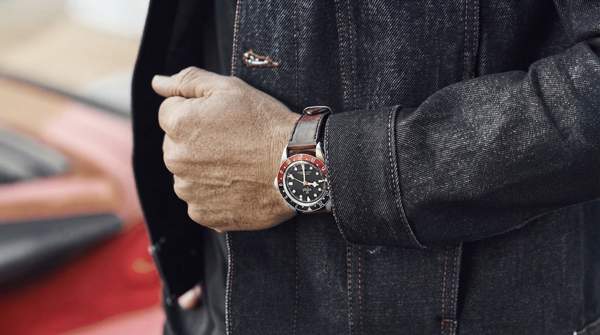
41% of Gen Z in the US acquired a mechanical luxury watch, with an average spend of $10,870, confirming younger consumers are not abandoning luxury. Instead, they are highly selective, willing to invest significantly in specific, high-value items. This challenges the notion of waning luxury demand, suggesting a redirection of purchasing power towards considered acquisitions.

Beyond Ownership: The Quest for Connection and Value

Younger generations acquire luxury items for reasons beyond simple ownership. Millennials and Gen-Z consumers value the experience of procuring luxury items more than the items themselves, seeking an emotional connection, according to Philadelphia Magazine. The emphasis on the journey, not just the destination, influences their spending choices.

Aspirational luxury clients, however, still define value through traditional elements: product substance, brand legitimacy, and enduring quality. Quality of materials (65%) and brand heritage (52%) remain the most important purchase drivers for these consumers, according to EY. The importance of quality of materials (65%) and brand heritage (52%) reveals a significant generational divergence in what constitutes 'value' in luxury, forcing brands to cater to conflicting priorities.

Pursuit of emotional connection, coupled with an appreciation for intrinsic quality and heritage, signals a deeper, more considered approach to luxury. Brands must bridge the gap between tangible product value and intangible experiential value to remain relevant. Failing to do so risks alienating a discerning and financially capable demographic.

New Pathways to Luxury Acquisition

Younger consumers demonstrate a pragmatic, resourceful approach to acquiring high-value items, challenging traditional luxury purchase norms. Gen Z is 21% more likely to use dealer financing options for luxury watches, according to thewalpole. Financing options make luxury more accessible, broadening the market beyond traditional cash buyers.

Furthermore, Gen Z is 48% more likely to sell something they already own to buy something they want to own, according to thewalpole. Gen Z's behavior of being 48% more likely to sell something they already own to buy something they want to own reveals a strategic approach to luxury ownership, leveraging existing assets for new acquisitions. Younger consumers are not shying away from high-ticket luxury; they are redefining the path to ownership.

Accessibility and strategic acquisition are key considerations for this demographic. Younger consumers are redefining the path to ownership, demanding brands adapt to more accessible acquisition models. Brands must recognize this shift, offering flexible solutions that align with modern financial realities.

The future of luxury retail appears rooted in immersive experiences and flexible acquisition models, suggesting that brands failing to evolve beyond transactional spaces will likely cede ground to those offering genuine connection and redefined value.

Related Coverage from Brands

  • David's Bridal Anticipates Taylor Swift Inspired Gown Demand

Tags

Luxury RetailConsumer BehaviorExperiential MarketingBrand StrategyTiffany & Co.Retail TrendsCustomer Engagement
LB

Luca Bianchi

Design Writer

Luca Bianchi is a Design Writer for Form & Taste, exploring the intersection of design, objects, and visual aesthetics with a minimalist perspective. He focuses on uncovering the stories behind exceptional objects to inspire an informed and sophisticated audience.

More from Brands

Bride wearing a Taylor Swift-inspired wedding gown, anticipating a surge in demand for similar styles in 2026.

David's Bridal Anticipates Taylor Swift Inspired Gown Demand

David's Bridal is already preparing for a surge in demand for gowns inspired by Taylor Swift, anticipating the 'Swift-Kelce Effect' will reshape 2026 wedding trends, according to The Pantagraph .

Adrianne Cole· Aug 24
Vast landfills overflowing with colorful, discarded fast fashion clothing, symbolizing the immense textile waste crisis and its environmental consequences.

Fast fashion's low prices hide a massive landfill crisis.

Less than 1% of the material used for clothing is recycled into new clothing, leading to over $100 billion in lost material value annually, according to the Geneva Environment Network .

Luca Bianchi· Aug 22
Diverse individuals participating in a clothing swap or resale event, promoting circular fashion and sustainable wardrobe choices.

Circular Fashion: Consumer Actions for a Sustainable Wardrobe

The simple act of selling an unwanted shirt online or donating it to a shelter prevents significant resource use, pesticides, and fertilizers, directly lowering carbon emissions and pollution.

Oliver Dane· Aug 22
Futuristic luxury boutique with holographic displays offering personalized AI-driven shopping experiences to diverse customers.

Luxury Brands Blend AI Personalization for 2026 Engagement

Remark AI aims to democratize the luxury shopping experience, extending personalized attention to 98% of online shoppers.

Luca Bianchi· Aug 20

Trending Now

1
Fashion runway show for Fall 2026, split between models in deep teal and light grey 'Cloud Dancer' outfits, representing contrasting color trends.

Fall 2026 Fashion Color Trends: Teal vs. Cloud Dancer

Accessories· 9 views
2
Diverse young adults embracing sustainable and minimalist skincare and makeup trends in a bright, natural outdoor setting for Summer 2027.

Top Summer 2027 Skincare & Makeup Trends You Need to Know

Trends· 10 views
3
PROYA skincare products displayed prominently on shelves inside a bright and modern Ulta Beauty store, with shoppers browsing.

PROYA Expands US Prestige Skincare Market Entry with Ulta Beauty

Beauty· 7 views
4
Models showcase avant-garde fashion on a dimly lit runway, featuring sculptural and deconstructed garments with exaggerated silhouettes.

Top 10 Avant-Garde Fashion Collections Redefining Modern Aesthetics

Collections· 7 views
5
What Match Finder Co. Founder Katie Zoulek Brings to a Private Matchmaking Search

What Match Finder Co. Founder Katie Zoulek Brings to a Private Matchmaking Search

Trends· 12 views
6
A curated collection of advanced beauty products, including skincare and haircare, displayed elegantly on a white surface with soft lighting.

Major Brands Unveil New Beauty Products in August 2026

Beauty· 9 views