Luxury brands bet on print books to deepen consumer engagement

Chanel recently released a limited-edition, hand-bound book detailing the history of its iconic tweed jacket, priced at $800.

LB
Luca Bianchi

May 10, 2026 · 4 min read

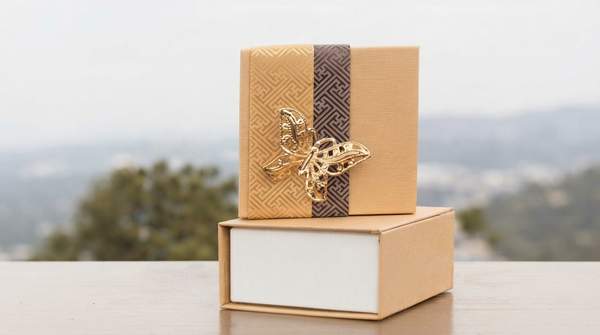
A luxurious, hand-bound book from a high-end fashion brand displayed on a table in an elegant setting.

Chanel recently released a limited-edition, hand-bound book detailing the history of its iconic tweed jacket, priced at $800. It sold out within hours in select boutiques and online, demonstrating strong consumer demand for exclusive physical objects. The rapid acquisition of the book demonstrates a strategic shift in luxury brand engagement.

Digital engagement is paramount for modern brands, yet luxury houses increasingly invest in physical print books. This tension highlights a paradox where digital reach often conflicts with the desire for enduring value.

This strategic pivot suggests true luxury in the digital age is defined by scarcity, tangibility, and a curated physical experience, challenging the efficiency-first mindset of modern marketing. Luxury brands weaponize scarcity and tactile exclusivity through ultra-premium print books to create an unreplicable, emotional bond with their wealthiest clientele.

Luxury brands like Chanel and Dior have significantly increased their investment in high-end coffee table books, often collaborating with prestigious publishers such as Rizzoli and Assouline, according to The Business of Fashion. This approach contrasts with the prevailing digital-first strategies seen across many industries. A recent study by Bain & Company found that luxury consumers increasingly prioritize unique, tangible experiences and brand heritage over purely digital interactions. This counter-intuitive move highlights a strategic shift towards deeper, more exclusive customer relationships that transcend fleeting digital trends, recognizing that physical objects offer unparalleled connection for certain demographics.

The Tangible Allure: Why Physical Books Resonate with Luxury Consumers

Print books, especially large-format art books, have a longer shelf life and are frequently displayed in luxury homes, serving as persistent brand touchpoints, states Architectural Digest. Brands often use bespoke paper, intricate binding techniques, and limited-edition runs for their books, mirroring the craftsmanship of their core products, according to Vogue Business. Consumers are experiencing 'digital fatigue,' leading them to seek out more meaningful, tactile, and offline engagements with brands, according to Deloitte Digital Consumer Trends. The enduring appeal of print lies in its ability to embody the very values of luxury: quality, scarcity, and a curated, lasting experience.
Beyond the Page: Addressing the Digital Divide and ROI Challenges

Measuring the direct return on investment (ROI) for print book initiatives is inherently more complex and less immediate than for digital marketing campaigns, according to CMO Magazine. The high price point of many luxury brand books, often $100-$1000+, naturally limits their accessibility to a mass audience, notes Marketing Week. While a high-quality luxury book can cost upwards of $100,000 to produce, brands report that they generate significant social media buzz and media coverage disproportionate to their direct sales, according to Luxury Daily. These perceived drawbacks reinforce the exclusivity and premium nature of the luxury print strategy, creating a deliberate barrier that enhances desirability among a select clientele.

Crafting Legacy: How Books Cement Brand Identity and Future Engagement

These books serve as physical archives of a brand's history, design evolution, and artistic collaborations, reinforcing its legacy and timelessness, according to Brand Quarterly. Exclusive book launch events and signing sessions create intimate, high-value community gatherings, fostering direct relationships with top-tier clients, reports WWD. Many luxury books now incorporate QR codes or augmented reality features, seamlessly bridging the physical reading experience with digital content and e-commerce, states Wired. High-profile interior designers and lifestyle influencers frequently feature luxury brand books in their curated home content, extending organic reach and desirability, according to Instagram Trends Report 2023. Ultimately, luxury brands are not just selling books; they are curating a timeless narrative and fostering a loyal community that transcends fleeting digital trends, securing their place in cultural discourse. The rapid sell-out of Chanel's $800 hand-bound book, explicitly not a primary product, unequivocally demonstrates that luxury brands are successfully redefining 'value' for their elite clientele, shifting focus from product utility to narrative immersion and exclusive access, a strategy mass-market brands cannot replicate. Companies that continue to view luxury marketing solely through a digital-first, conversion-focused lens risk alienating their most valuable customers, as the market clearly demonstrates a hunger for tangible, high-craft experiences that transcend screen-based interactions, as evidenced by the success of these exclusive print initiatives. The strategic pivot towards ultra-premium print artifacts suggests that the true battleground for luxury loyalty is no longer about visibility, but about creating unpurchasable emotional connections and a sense of belonging to an exclusive narrative, making these books potent, long-term investments in brand immortality that digital channels struggle to replicate.

By Q4 2026, brands like Hermès, known for its deep commitment to craftsmanship, will likely expand their ultra-premium book offerings, further solidifying the role of tangible artifacts in cultivating lasting client relationships.

Why are luxury brands returning to print books?

Luxury brands are leveraging print books to counteract the commoditization of digital content. They provide a tactile experience, a sense of permanence, and serve as status symbols within a client's home or office. This strategy helps create a deeper, more personal connection than fleeting digital interactions.

What is the engagement strategy of luxury brands with print?

The strategy focuses on exclusivity, storytelling, and brand heritage. Brands often produce limited editions, collaborate with renowned artists or authors, and host private launch events. These books are designed to be collected and displayed, reinforcing the brand's narrative and value proposition over time.

What are examples of luxury brands using print books?

Beyond Chanel and Dior, brands like Louis Vuitton regularly publish art and travel books through its Éditions Louis Vuitton imprint. Gucci has released several art books, including "Blind For Love" by Nick Waplington, which documents the brand's runway collections and behind-the-scenes processes, emphasizing artistic collaboration and brand narrative.