What is the fifth taste and how does umami shape modern gastronomy?

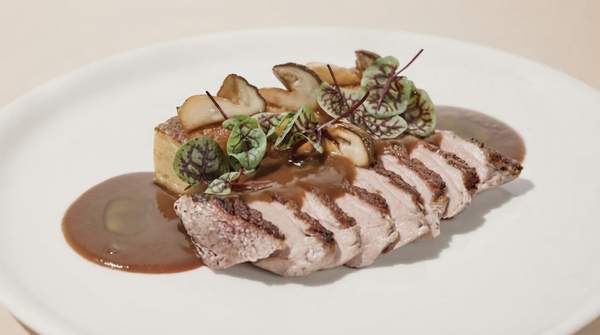
During the aging process of cured ham, the volume of glutamate — the key umami compound — can be boosted by around a factor of fifty, transforming its flavor profile into a deeply savory experience, a

CR
Camille Rousseau

April 19, 2026 · 4 min read

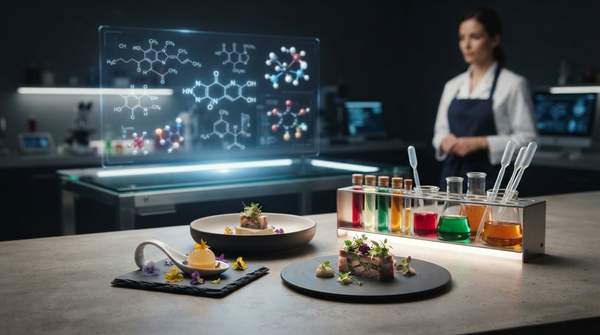
A chef artfully plating a gourmet dish, emphasizing the rich textures and savory aromas of umami-infused cuisine.

During the aging process of cured ham, the volume of glutamate — the key umami compound — can be boosted by around a factor of fifty, transforming its flavor profile into a deeply savory experience, according to umamiinfo. This natural amplification enhances the meat's richness, offering a profound taste that lingers and satisfies, a characteristic long prized in traditional gastronomy.

Umami, identified over a century ago, has deeply influenced culinary practices. However, the precise biological mechanisms and synergistic effects that make it so potent are only now being fully elucidated and applied in modern gastronomy. This scientific understanding closes a significant gap between empirical observation and intentional flavor engineering.

As the scientific understanding of umami deepens, food developers and chefs will increasingly leverage its synergistic properties to create more intensely satisfying and potentially addictive flavor experiences, requiring consumers to become more discerning about their food choices.

Umami: The Fifth Basic Taste Defined

In 1908, Japanese chemist Kikunae Ikeda isolated L-glutamic acid from kombu seaweed. He identified it as umami, a distinct basic taste. This discovery cemented umami as the fifth fundamental taste, alongside sweet, sour, salty, and bitter, a classification now widely accepted by the scientific community, according to nutraceuticalbusinessreview. Ikeda's work provided a chemical basis for the savory depth long appreciated in Asian cuisine.

Umami offers a unique sensory profile: savory, brothy, meaty. Perceptual studies consistently show that monosodium glutamate (MSG), a common umami compound, creates a sensation distinct from the other four tastes, confirming its independent status as a fundamental taste experience, reports pubmed. This scientific validation affirms umami's essential role in our taste perception.

The Molecular Mechanisms of Umami Sensation

Specific receptors for umami taste have recently been identified, according to pubmed. This marks a new era in understanding savory perception, moving beyond empirical observation to precise biological insight.

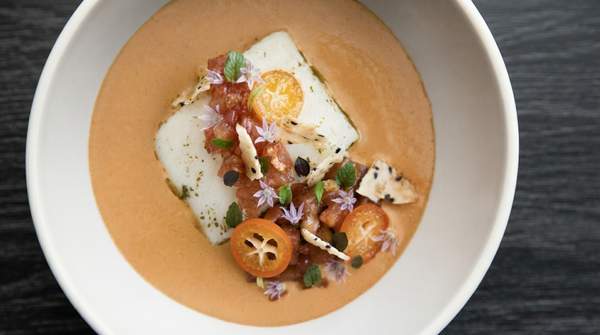
At least two types of umami receptors activate on the tongue: the T1R1/T1R3 heterodimer and metabotropic glutamate receptors (mGluR1 and mGluR4), as detailed in Sciencedirect. These distinct receptors allow nuanced detection of various umami compounds.

Umami compounds interact with these taste receptors. Nucleotides like inosine monophosphate (IMP) and guanosine monophosphate (GMP) exhibit a strong synergistic effect with glutamate. When present together, they amplify each other's taste sensation far beyond what either could achieve alone, creating a more intense umami experience, states Sciencedirect. Biochemical studies further corroborate this, showing synergy in the binding of MSG and 5'-guanylate to tongue taste tissue, mirroring human perception, according to pubmed. This intricate interplay of receptors and synergistic compounds reveals the sophisticated biological basis for umami's profound flavor-enhancing capabilities.

Umami's Flavor Amplification in Practice

Umami compounds enhance the sensation of salty, sweet, and bitter flavors, potentially leading to greater food consumption, notes pmc.ncbi.nlm.nih.gov. This amplifying effect means umami is not just a fifth taste; it acts as a universal enhancer, deepening the perceived intensity and complexity of other basic tastes in a dish.

Chefs have long harnessed this phenomenon, often without explicit scientific knowledge. Traditional culinary applications, like slowly simmered bone broth, ripe tomato sauce, or aged Parmesan, all gain richness from naturally occurring glutamate and synergistic nucleotides. These ingredients do more than add flavor; they intensify saltiness, heighten sweetness, and temper bitterness, crafting a more harmonious and satisfying taste profile.

By amplifying other tastes, umami becomes a powerful tool. Chefs and food developers can craft more complex, satisfying dishes, fundamentally influencing consumer palates and expectations for flavor depth. This intentional application transforms food creation from simple ingredient mixing to precise flavor engineering, aiming for maximum palatability.

The Industry's Embrace of Umami Science

The food industry's recognition of umami's power grows. Dedicated research and publications, like the 16-page white paper "Umami: The Taste that Perplexes," reveal deep scientific and commercial interest in this taste, according to nutraceuticalbusinessreview. Such comprehensive documents confirm umami is no longer a culinary curiosity but a sophisticated tool for product development.

Food scientists and product developers increasingly apply knowledge of umami receptors and synergistic interactions to engineer specific flavor profiles. This precision creates new products, improves existing ones, and develops plant-based alternatives that mimic meat's savory satisfaction. The ability to fine-tune saltiness or sweetness through umami compounds offers pathways to reduce sodium or sugar without sacrificing palatability. This scientific approach enables the creation of hyper-palatable foods, a development that benefits consumer enjoyment but also raises questions about potential overconsumption.

Common Umami Questions

What are some natural sources of umami?

Many everyday foods contain high levels of naturally occurring glutamate and synergistic nucleotides. These include aged cheeses like Parmesan, ripe tomatoes, mushrooms (especially dried shiitake), fermented products such as soy sauce and fish sauce, and cured meats like ham.

How does umami contribute to satiety?

Beyond its direct taste sensation, umami is thought to play a role in signaling the presence of protein in food, which can contribute to feelings of fullness and satisfaction. Research suggests that umami receptors in the gut may also communicate with the brain, influencing appetite regulation and promoting satiety after a meal.

Is MSG safe to consume?

Monosodium glutamate (MSG) is generally recognized as safe (GRAS) by regulatory bodies such as the U.S. Food and Drug Administration (FDA). While some individuals report sensitivities, scientific studies have not consistently linked MSG consumption to adverse reactions in the general population when consumed at typical levels.

The Future of Flavor: Mastering Umami

The elucidation of umami receptors and their synergistic interactions empowers food developers to engineer hyper-palatable products with unprecedented precision. This scientific mastery allows for the intentional manipulation of taste, moving beyond accidental discovery to deliberate design in culinary art and food manufacturing. Such capability will likely drive consumer preference and consumption beyond traditional culinary limits, fundamentally reshaping expectations for flavor depth and complexity.

By 2026, the intentional application of umami science by companies like Ajinomoto, a pioneer in glutamate production, will continue to refine taste profiles across diverse food categories, marking a new chapter in engineered palatability and consumer experience.