What Are Modern Culinary Plating Principles and Why Do They Matter?

In a recent study, the aesthetic appeal of a plate alone accounted for 72% of the variation in how tasty participants perceived food to be, even before a single bite was taken, according to studying t

CR
Camille Rousseau

April 19, 2026 · 3 min read

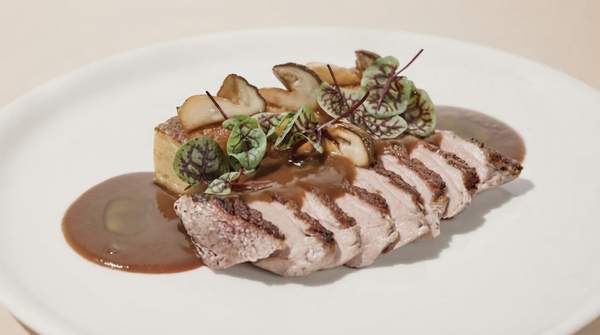
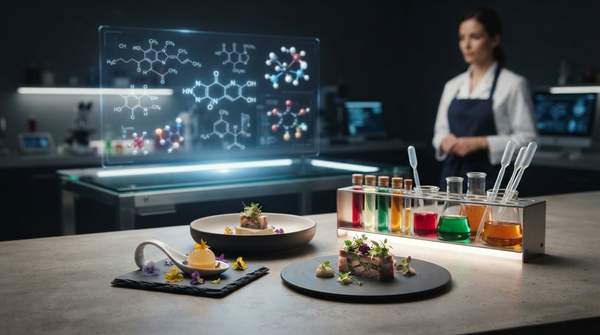
A beautifully plated gourmet dish with vibrant colors and textures, demonstrating the principles of modern culinary plating and visual appeal.

In a recent study, the aesthetic appeal of a plate alone accounted for 72% of the variation in how tasty participants perceived food to be, even before a single bite was taken, according to studying the impact of plating on ratings of the food served in a .... This visual design powerfully predisposes our palates, shaping flavor expectations before the first taste.

Most people assume taste is king, but visual presentation dramatically alters perceived flavor and healthiness. Modern culinary plating is not mere decoration; it directly engages our sensory expectations.

Mastering culinary plating is more than art; it's a powerful psychological tool. Strategic visual choices redefine how diners experience a dish, impacting satisfaction and perceived value, regardless of ingredients.

Beyond Garnish: The Core Influence of Plating

The aesthetic appeal of plate patterns influences perceptions of food, including tastiness and healthiness, according to PMC. Modern plating transforms the plate into a canvas, communicating quality and appeal far beyond simple garnishing.

Plating acts as a silent language, conveying the chef's intent and the dish's potential. This strategic tool subtly guides diners' expectations of flavor and even nutritional value. The implication: a chef's message is tasted as much as it is seen.

Emotional Resonance in Expressive Plating

Expressively aesthetic plates evoke strong emotions: delight for beautiful designs, disappointment for less appealing ones, according to PMC. This emotional impact, absent in classical plating, stems directly from visual beauty, creating a distinct psychological pathway to satisfaction that transcends taste.

The Subtle Power of Food Placement

For classically aesthetic plates, food placed in the middle tasted better than food at the edge, according to PMC. This effect vanished with expressive plates, revealing how distinct styles manipulate perception. Strategic placement, especially in traditional settings, subtly enhances or detracts from perceived tastiness, an unconscious visual power.
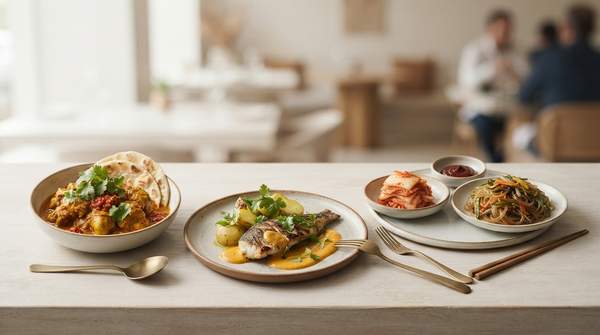
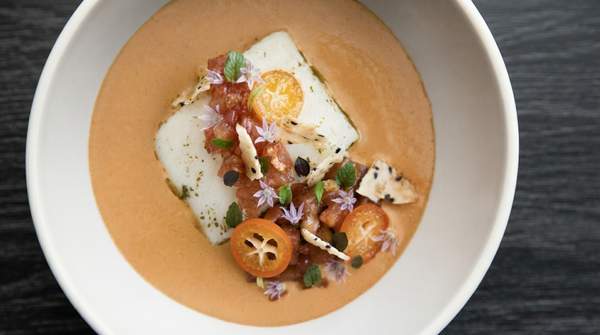
Expressive plating sparks emotion; classical plating leverages spatial perception of value. The precise positioning of ingredients becomes a critical element, guiding a diner's flavor expectations. The implication: even a millimeter's shift can alter a dish's perceived worth.

Why Visual Design Shapes Perceived Value

With 72% of perceived tastiness stemming from plating before a bite, restaurants often underestimate visual design. Neglecting presentation leaves flavor perception to chance, creating a disconnect between culinary skill and diner satisfaction.

The PMC study's distinction between expressive and classical aesthetics reveals that 'looking good' isn't enough. Chefs must strategically choose plating styles to elicit specific emotional or perceptual responses, aligning visual cues with desired taste and health perceptions.

Companies selling 'healthy' foods risk sabotaging their message by ignoring plating aesthetics. PMC data shows visual appeal significantly influences perceived healthiness, potentially undermining nutritional efforts. A visually appealing 'healthy' dish reinforces its intended purpose, making it seem more beneficial.

Common Questions About Food Presentation

What are the basic principles of food plating?

Basic principles of food plating involve balancing elements like color, texture, and height. Chefs often arrange components in odd numbers for visual interest and use negative space to highlight key ingredients, creating a harmonious and appealing composition.

How can I improve my food presentation skills?

To improve food presentation, practice arranging ingredients on various plate shapes, focusing on clean lines and intentional placement. Incorporate fresh, vibrant garnishes and consider contrasting colors and textures to make dishes visually pop.

What are the latest trends in food plating?

Latest trends in food plating include minimalist designs, deconstructed dishes, and the incorporation of natural elements like edible flowers or herbs. According to plating trends at restaurants - The New York Times, chefs increasingly experiment with unconventional vessels and artistic arrangements to surprise diners.

If restaurants continue to overlook the profound psychological impact of plating, they will likely find themselves outpaced by competitors who master this visual language, shaping diner satisfaction before the first bite.