What Is Umami and Why Is It the Fifth Taste in Modern Gastronomy?

More than a century ago, a Japanese chemist extracted a single molecule from seaweed broth, unveiling a 'fifth taste' that would become a global flavor enhancer, yet still battle widespread misconcept

CR
Camille Rousseau

May 12, 2026 · 4 min read

A steaming bowl of rich broth with shiitake mushrooms, visually representing the savory fifth taste of umami.

More than a century ago, a Japanese chemist extracted a single molecule from seaweed broth, unveiling a 'fifth taste' that would become a global flavor enhancer, yet still battle widespread misconceptions. This discovery promised a new dimension of flavor complexity, enriching and balancing culinary creations across diverse cultures.

Umami is a fundamental taste, recognized for its powerful flavor-enhancing abilities. Yet, historical negative perceptions of its commercial form, monosodium glutamate (MSG), continue to limit its broader acceptance. This creates a tension: the very product that popularized umami now paradoxically hinders its full embrace, a unique culinary challenge.

A clearer understanding of umami's scientific basis and versatile culinary applications is crucial. Addressing these deep-seated misconceptions can unlock its full potential and overcome lingering market hurdles, paving the way for a more informed approach to flavor.

The Fifth Taste: From Seaweed to Global Palate

In 1908, Japanese scientist Kikunae Ikeda identified glutamic acid as the source of a distinct savory taste. He named it umami, now recognized as the fifth primary taste alongside sweet, sour, bitter, and salty, according to Umami the Fifth Basic Taste: History of Studies on Receptor .... Ikeda’s research provided a scientific framework for a flavor long appreciated in traditional Asian cooking.

Building on this breakthrough, Ikeda commercialized glutamic acid as ‘Aji-no-moto’. This seasoning quickly gained international popularity, introducing umami to a global audience and making its complex flavor accessible. Yet, this early commercial success inadvertently laid the groundwork for future controversies surrounding the ingredient's perception.

The Synergistic Secret and Lingering Shadows

Umami compounds enhance other flavors, extending beyond their individual savory notes. They heighten salty, sweet, and bitter tastes, according to Umami Characteristics and Taste Improvement Mechanism of .... This positions umami as a powerful flavor supercharger, elevating a dish's overall sensory experience.

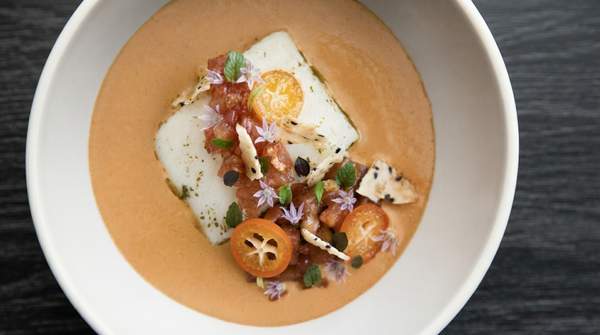
Umami intensifies significantly through a synergistic effect when glutamate combines with 5′-nucleotide monophosphates, particularly inosine 5′-, as detailed by Natural Sources, Mechanisms, and Sensory Evaluation of .... This interaction allows a potent flavor impact with less seasoning. Despite these sophisticated mechanisms, negative public perceptions of MSG persist. This, coupled with seasonal availability of natural umami sources, hinders market growth for umami flavors, according to Fortune Business Insights. The dual challenge of stigma and supply limits umami's full culinary and commercial embrace.

Why Does MSG Face Public Opposition?

Aji-no-moto, or MSG, the commercial product that introduced umami, is now its biggest obstacle to widespread culinary acceptance. This creates a profound paradox: umami's origin story inadvertently undermines its future. The stigma surrounding MSG, rooted in historical misinformation rather than science, affects both consumer perception and professional culinary practice. This persistent opposition means many food innovators and chefs avoid explicitly labeling umami ingredients or using MSG directly, even when it could improve flavor. This reluctance prevents the food industry from fully utilizing a scientifically validated primary taste, actively sabotaging modern gastronomic progress and limiting creative freedom.

Unlocking Flavor Potential: Beyond Misconceptions

Companies and chefs shying away from umami due to the unfounded MSG stigma leave significant flavor potential untapped. They ignore a scientifically validated primary taste, as highlighted by Umami the Fifth Basic Taste: History of Studies on Receptor ... and Fortune Business Insights. This reluctance limits innovation in flavor development and the creation of more satisfying dishes.

The synergistic power of umami, especially when glutamate combines with 5′-nucleotide monophosphates, remains an untapped frontier in food science. This interaction offers a natural, potent way to elevate flavors without relying solely on traditional salt or sugar, as explained by Natural Sources, Mechanisms, and Sensory Evaluation of ... and Umami Characteristics and Taste Improvement Mechanism of .... Embracing this understanding could lead to healthier, more balanced, and ultimately more satisfying food products.

How is umami used in cooking?

Chefs integrate umami to enhance depth and richness, often reducing the need for excessive salt while boosting savory notes. It is common in savory broths, fermented sauces like soy sauce, and aged cheeses. Techniques like slow braising or roasting naturally develop umami flavors, creating complex profiles.

What are the five basic tastes?

Science recognizes five basic tastes: sweet, sour, salty, bitter, and umami. Each corresponds to specific tongue receptors, signaling different chemical compounds. This helps us perceive complex flavors and understand preferences.

What foods are high in umami?

Umami-rich foods include ripe tomatoes, Parmesan, cured meats like prosciutto, shiitake mushrooms, and seaweed. Fermented products such as miso paste, kimchi, and fish sauce also contain high umami levels. These ingredients often build savory foundations in global cuisines.

Overcoming the unfounded stigma against MSG is crucial for modern gastronomy to fully harness umami's flavor-enhancing potential; if major restaurant chains like 'Flavor Fusion Inc.' explicitly embrace umami-rich ingredients and actively educate consumers about their benefits by Q3 2026, they will likely see increased customer satisfaction and market share.