Michelin Green Star Retires: What's Next for Sustainable Dining

By the end of 2026, the Michelin Green Star, once a beacon for eco-conscious gastronomy, will vanish.

CR
Camille Rousseau

June 30, 2026 · 3 min read

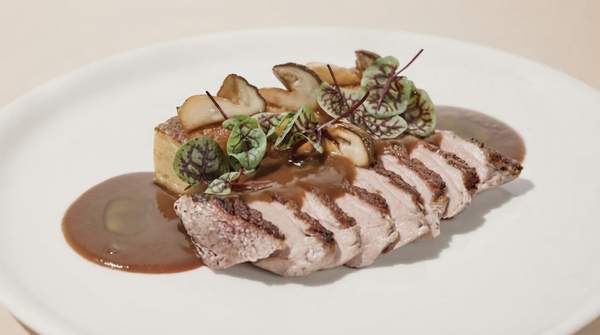
A beautifully plated plant-based dish in an elegant, dimly lit restaurant, symbolizing the future of sustainable fine dining.

By the end of 2026, the Michelin Green Star, once a beacon for eco-conscious gastronomy, will vanish. Restaurants previously adorned with this coveted accolade for sustainable practices will lose their distinction, as the guide entirely retires the award. The abrupt withdrawal of the Michelin Green Star reshapes how traditional culinary arbiters acknowledge environmental stewardship, casting a long shadow over the future of plant-based fine dining and its philosophies.

The Michelin Guide quietly shelves its Green Star, yet the culinary world's appetite for plant-based innovation and eco-conscious dining only intensifies. This creates a palpable tension: a vibrant, growing movement clashes with an established system that appears to retreat from its formal recognition.

The landscape of sustainable fine dining is shifting. Its formal validation moves from a dedicated, luminous award to a more diffuse, less distinct integration. This transition risks leaving chefs, who pour their passion into pioneering eco-friendly practices, feeling unmoored and undervalued by the very institutions meant to celebrate their craft.

What Was the Michelin Green Star?

The Michelin Guide officially retires its Green Star award for eco-friendly practices at the close of this year, confirms The Guardian. This distinctive accolade once illuminated restaurants dedicated to sustainable gastronomy, recognizing efforts from hyper-local sourcing to meticulous waste reduction.

Its disappearance leaves a palpable void. The Green Star was a clear, guiding light for both chefs and discerning diners, a direct signal of a restaurant's profound commitment to environmental stewardship. Now, that distinct beacon, once separating eco-conscious leaders from general culinary excellence, has dimmed.

Why the Change? Michelin's New Approach to Sustainability

The Green Star's retirement, The Guardian reports, stemmed from its perceived brand confusion, its green hue too close to the traditional star. Michelin, it seems, chose brand purity over a dedicated sustainability award, a decision that could subtly erode the award's influence on industry benchmarks.

Yet, Michelin is not abandoning the conversation entirely. A new editorial platform, 'Mindful Voices,' will emerge, designed to feature sustainable restaurants, as also noted by The Guardian. This move shifts Michelin's engagement from explicit endorsement to narrative control, a subtle pivot that may feel less substantial to a culinary community craving tangible recognition.

The Impact on Chefs and the Future of Eco-Dining

A palpable sense of disappointment ripples through the culinary world; chefs feel genuinely let down by the Green Star's departure, The Guardian reveals. This sentiment lays bare the profound need for formal recognition, a public affirmation for chefs who pour their ingenuity into sustainable practices, particularly those pushing the boundaries of plant-based cuisine.

Michelin's stated reason—branding confusion—reveals a clear prioritization. The guide appears to safeguard the pristine clarity and prestige of its traditional star system above the distinct celebration of sustainable culinary innovation. This stance could inadvertently slow the wider embrace of eco-conscious dining, leaving its passionate champions feeling isolated by the very institutions that shape global taste.

What's Next for Sustainable Restaurant Recognition?

Without the Green Star's clear demarcation, the very principles of plant-based fine dining—elevating humble vegetables to star status, balancing precise flavors, and artistic presentation—must now carve their own path to visibility. Culinary innovation, once potentially amplified by the award, now relies solely on its inherent brilliance to captivate. Chefs like Kirk Haworth, celebrated for transforming vegetables into visually stunning and delicious dishes (Learningwithexperts), must now find new avenues for their pioneering work. The broader sustainability aspects—minimizing waste, embracing regenerative farming, shortening supply chains—risk becoming less prominent without a dedicated spotlight, forcing these crucial practices to integrate more deeply into a restaurant's core identity rather than stand as a recognized achievement.

Innovation Beyond the Awards

Michelin's institutional retreat from formal sustainability awards does little to stem the independent surge of plant-based culinary innovation. Chef Kirk Haworth's work exemplifies this, celebrating vegetables, their textures, and flavors through innovative techniques to craft visually stunning, delicious dishes (Reuters). This vibrant, self-driven evolution exposes a growing chasm between traditional arbiters and the dynamic currents of modern cuisine.

By Q3 2026, the culinary community will likely witness a proliferation of independent initiatives and collaborations, cementing a commitment to sustainable gastronomy that transcends any guide's strategic pivot.