Street Food Innovations Changing Dining in 2026

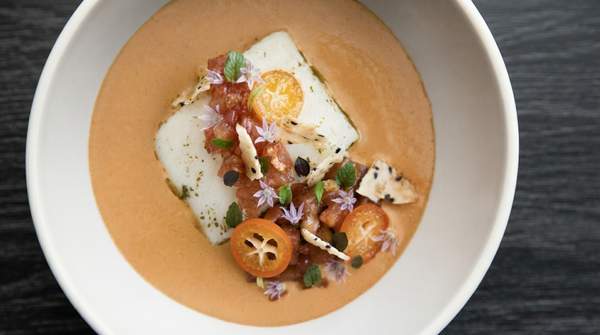
Michelin-starred chef Gaggan Anand, known for his avant-garde Indian cuisine, regularly incorporates street food techniques like chaat preparation directly into his elaborate tasting menus.

CR
Camille Rousseau

June 30, 2026 · 5 min read

A futuristic night market with chefs preparing gourmet street food, highlighting the blend of tradition and innovation in global dining.

Michelin-starred chef Gaggan Anand, known for his avant-garde Indian cuisine, regularly incorporates street food techniques like chaat preparation directly into his elaborate tasting menus. Informal innovations now command professional esteem, actively shaping global dining, a profound shift signaled by top chefs' embrace.

Street food is often dismissed as 'fast food' or 'cheap eats,' but it is a sophisticated incubator for culinary creativity and cultural authenticity that is now shaping the global dining scene. This perception gap overlooks its role as a primary driver of global street food innovations influencing dining in 2026.

Based on the accelerating adoption of street food concepts by mainstream dining, the lines between 'high' and 'low' cuisine will continue to blur, leading to a more dynamic and democratized culinary future.

A 2023 National Restaurant Association survey found 70% of chefs draw inspiration from international street food. Separately, 45% of food critics believe culinary innovation now originates outside traditional restaurants, according to a Food Critic's Poll. This convergence, driven by demand for authentic, diverse experiences (Global Food Trends Report), reveals a fundamental shift: the informal sector now defines new tastes.

From Sidewalks to Silver Platters: How Street Food Inspires Fine Dining

Street food is not merely inspiration; it is a practical training ground, a direct pipeline for innovation into mainstream dining.

1. Chaat Preparations

Best for: Experimental chefs seeking bold flavors

Michelin-starred chef Gaggan Anand infuses his tasting menus with Indian street food techniques like chaat. Its intricate balance of sweet, sour, spicy, and crunchy textures offers a direct blueprint for innovative dish construction.

Strengths: High flavor impact | Limitations: Requires precise execution | Price: Moderate ingredient cost

2. Fusion Concepts
Best for: Casual dining looking for novelty

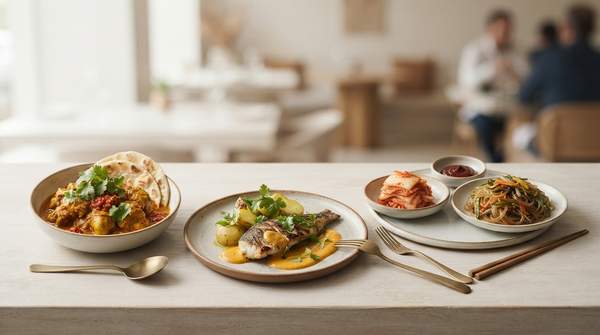
US food trucks incubate unique fusion dishes, like Korean BBQ tacos, before they hit brick-and-mortar menus (Food Truck Association). These hybrids merge familiar elements, captivating a broad audience.

Strengths: Broad appeal, creative potential | Limitations: Can lack authenticity if poorly executed | Price: Varies by ingredients

3. Use of Economical Cuts

Best for: Restaurants focusing on sustainability and value

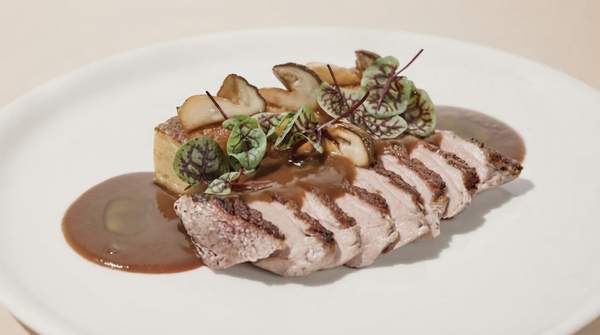
Fine dining now embraces economical meat cuts, a street food staple for cost and flavor (Culinary Institute of America). Slow braising or confit transforms these cuts into rich, tender dishes, redefining 'premium'.

Strengths: Cost-effective, rich flavor | Limitations: Requires skilled preparation | Price: Low raw ingredient cost

4. Plant-Based Ingredient Focus

Best for: Health-conscious and vegetarian markets

Street food's focus on diverse plant-based ingredients and inventive vegetable preparations, rooted in local tradition, now graces upscale menus. Chefs craft sophisticated dishes from once-secondary vegetables, meeting rising plant-forward demand.

Strengths: Appeals to diverse diets, sustainable | Limitations: Requires creativity for complex flavors | Price: Generally low ingredient cost

5. Authentic Regional Techniques

Best for: Chefs seeking deep cultural immersion

Classical French chefs now apprentice with street food vendors, seeking authentic regional techniques (Chef's Guild International). Direct immersion preserves and accurately replicates complex, traditional methods in formal dining.

Strengths: Cultural authenticity, skill development | Limitations: Time-intensive learning | Price: Low learning cost, high skill value

6. Fermentation as Flavor

Best for: Avant-garde and health-focused restaurants

Fermentation, a street food staple for preservation and flavor, now defines avant-garde fine dining (Noma Guide to Fermentation). This ancient practice adds depth and umami, transcending simple preservation for sophisticated flavor.

Strengths: Complex flavors, digestive benefits | Limitations: Requires knowledge and controlled environment | Price: Low ingredient cost, high labor

7. Single-Item Specialization

Best for: Niche restaurants aiming for perfection

Street food vendors perfect one or two signature dishes; this mastery now inspires upscale casual restaurants. Such dedication ensures unparalleled quality and consistency, forging a strong culinary identity.

Strengths: High quality, strong brand identity | Limitations: Limited menu diversity | Price: Varies

8. Interactive Culinary Presentation

Best for: Diners seeking engaging experiences

Street food often involves direct, sensory preparation before the customer. Modern restaurants mirror this with open kitchens and tableside service, transforming cooking into an engaging part of the dining experience.

Strengths: Engaging, builds trust | Limitations: Requires clean, organized workspace | Price: Minimal extra cost

The Shifting Landscape: Street Food's Market Power and Consumer Appeal

CharacteristicStreet Food ProfileTraditional Dining ProfileImpact on 2026 Dining
Innovation CycleRapid, agile, community-driven experimentation.Slower, formal R&D, often chef-centric.Street food dictates trends, forcing faster adaptation.
Cost-EffectivenessAverage meal under $5 in Southeast Asia, according to Lonely Planet Food Guide.Higher overheads, premium pricing.Drives demand for value-driven, high-quality experiences.
Cultural AuthenticityHigh, often rooted in specific regional traditions.Can be perceived as less 'real' or globalized.Increased consumer preference for genuine cultural experiences.
Market GrowthProjected to reach $200 billion by 2027, CAGR of 6.5%, according to a Market Research Report.Stable, but faces pressure from evolving consumer tastes.Indicates a significant shift in dining expenditure.
Consumer Preference60% of 18-35 year olds prefer novelty and authenticity, according to a Millennial Consumer Study.Values consistency and established reputation.Forces traditional venues to offer more novel, authentic choices.
Scalability ExampleCasual chains like Chipotle and Shake Shack scaled concepts from street food culture, as shown in Company Earnings Reports.Established concepts struggle with high labor costs.Proves street food models can be successfully industrialized.

Street food's economic viability and potent consumer appeal compel traditional dining to re-evaluate its value and embrace authenticity.

Tracking the Trends: How Street Food's Influence Spreads

Pop-up street food events and night markets now draw millions of tourists annually (Global Tourism Board), acting as vibrant hubs for culinary exchange. Social media platforms like Instagram and TikTok amplify street food's global visibility (Social Media Trends Report), allowing trends to bypass traditional gatekeepers. Even the fine dining 'tasting menu' format is now adopted by upscale street vendors (Eater Magazine). Digital platforms and experiential events are crucial accelerators, democratizing access to street food's cutting-edge developments.

The Future of Flavor: What Street Food's Rise Means for Dining

Despite its influence, street food vendors often operate with thin margins and precarious conditions (Street Vendor Project), challenging the sector's long-term sustainability. Varying food safety regulations by region (WHO Food Safety Guidelines) impede standardization and scaling. Yet, street food's agile model appeals to fine dining, which struggles with high overheads and labor costs (Restaurant Business Magazine), highlighting informal dining's operational efficiencies. If these systemic challenges of sustainability, regulation, and fair practices are addressed, street food appears poised to fully democratize and redefine global culinary excellence.