What is the Food Made Good Standard for Sustainable Fine Dining?

At Schloss Schauenstein, a renowned fine dining establishment, 94 percent of its operations met rigorous sustainability standards in 2019, according to Forbes .

CR
Camille Rousseau

June 25, 2026 · 4 min read

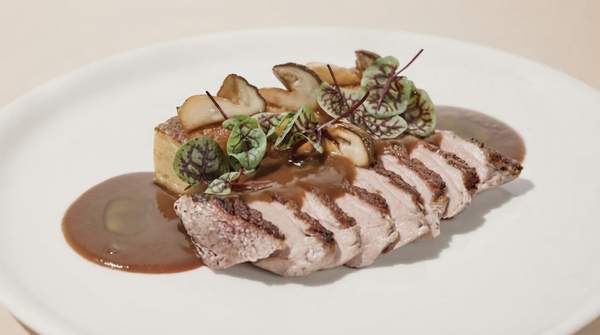
A beautifully presented fine dining dish with fresh ingredients, set against a backdrop hinting at a sustainable, natural environment.

At Schloss Schauenstein, a renowned fine dining establishment, 94 percent of its operations met rigorous sustainability standards in 2019, according to Forbes. This commitment extends beyond mere compliance, with the restaurant meticulously sourcing produce directly from its own castle grounds and collaborating with local organic farmers. Such deep integration of sustainable practices isn't just a choice; it's a redefinition, infusing luxury cuisine with the vibrant pulse of the earth itself.

This contrasts sharply with Chef René Redzepi's assessment: the traditional fine dining model proved financially and emotionally unsustainable. Yet, a new wave of establishments now thrives by embracing deep sustainability, weaving ethical practices into their very fabric. These pioneers aren't just adapting; they're forging a new blueprint where high-end cuisine flourishes through conscious choices.

The rising adoption of rigorous standards like The Food Made Good Standard and the success of pioneering chefs suggest a clear trajectory: comprehensive sustainability will increasingly integrate into fine dining by 2026. Ethical considerations are transforming from a niche concern into a core expectation for luxury dining. This isn't just a moral imperative; it's rapidly becoming the only viable path for fine dining restaurants to achieve both financial stability and enduring cultural relevance.

Alain Passard of L'Arpège, another culinary pioneer, leads the way in plant-based cuisine and sustainability. His restaurant is supplied by three biodynamic vegetable gardens, which yield 50 tons of produce annually, according to Forbes. Such dedication isn't merely an ideal; it's a practical, identity-defining reality, proving that the earth's bounty can shape the world's most exquisite tables.

What is The Food Made Good Standard?

The Food Made Good Standard offers a structured framework for restaurants to assess and elevate their environmental and social impact. This evaluation meticulously covers sourcing, society, and environment, providing a clear roadmap for ethical operations. To achieve certification, a business must score 50% or higher, according to The SRA. The annual investment starts at £1,000 per year, according to The Food Made Good Standard. This commitment transforms vague intentions into concrete, verifiable action, allowing diners to trust the integrity behind each dish.
Beyond the Plate: How Chefs Are Redefining Sustainable Luxury

Chefs like Eric Ripert are actively redefining luxury, moving beyond opulent ingredients to embrace the integrity of the land and sea. They champion small farms and water sustainability, focusing on native ingredients, reducing food miles with local farmers, crafting plant-based menus, and sourcing sustainable fish, as reported by Forbes. Ripert himself notes this isn't just an internal shift; it's a major trend, fueled by a growing consumer desire for organic, ethically sourced food. This convergence of chef conviction and informed demand is reshaping the very palate of high-end dining, making conscious consumption an intrinsic part of the gourmet experience.

The Uncomfortable Truth: Why Fine Dining Had to Change

Chef René Redzepi's stark declaration that the traditional fine dining model was financially and emotionally unsustainable forced a critical re-evaluation. This wasn't merely a critique; it exposed a system reliant on resource-intensive luxury ingredients and demanding operational structures that drained both the earth and its culinary artists. Yet, this uncomfortable truth is now being directly challenged by a new guard, with establishments like Schloss Schauenstein and Mirazur proving that hyper-local, garden-to-table models are not just ethical, but economically viable blueprints. The traditional pursuit of luxury, once defined by exclusivity and excess, now appears unsustainable, demanding a fundamental shift towards a more mindful and resilient approach.

More Than a Trend: The Global Impact of Ethical Dining

The historical demand for luxury ingredients like bluefin tuna once carved a path of severe ecological consequence, leading to overfishing and endangered species, according to The SRA. This era of indulgence, defined by such unsustainable choices, is now fading. The future of fine dining, shaped by evolving consumer desires and a sharpened chef ethic, demands a new luxury: one rooted in native ingredients, meticulous local sourcing, and vibrant plant-forward innovation. The choices made at these high-end tables ripple outwards, setting precedents that can either heal or further harm global ecological systems, making every ingredient a statement.

Common Questions About Sustainable Fine Dining

How can restaurants reduce food waste?

Sustainable practices demonstrably trim operational costs, largely through astute food waste management. This involves meticulous inventory control, the creative repurposing of every ingredient, and comprehensive composting programs, ensuring minimal edible material ever sees the bin. These efforts don't just protect the environment; they sculpt a leaner, more efficient kitchen, transforming waste into tangible savings, according to The SRA.

What are the financial benefits of sustainability for fine dining?

Companies viewing sustainability certifications like The Food Made Good Standard as mere compliance costs often miss their true strategic power. These initiatives demonstrably slash operational expenses through efficiencies in energy and water consumption, coupled with improved waste management. This isn't just cost-cutting; it's an investment that cultivates a clear competitive advantage, drawing discerning diners and fortifying long-term financial stability, according to The SRA.

The Future of Flavor: Where Ethics Meets Excellence

Mirazur, a three-Michelin-starred restaurant, stands as a vibrant testament to sustainability woven into the very core of culinary identity. Its operational model relies entirely on ingredients sourced from the restaurant's gardens, surrounding land, and local fishermen and farmers, according to Forbes. This deep integration doesn't just define its menu; it breathes life into its entire ethos, creating a dining experience that resonates with the rhythm of nature.

If fine dining continues to embrace comprehensive sustainability, mirroring the commitment seen at Mirazur, it will likely solidify its financial stability and cultural relevance within the evolving industry.