Haute Couture vs. Ready-to-Wear: Key Differences Explained

To earn the coveted 'haute couture' designation, a fashion house must maintain an atelier with at least 15 full-time staff and 20 full-time technical workers dedicated to crafting custom garments, acc

AC
Adrianne Cole

May 15, 2026 · 4 min read

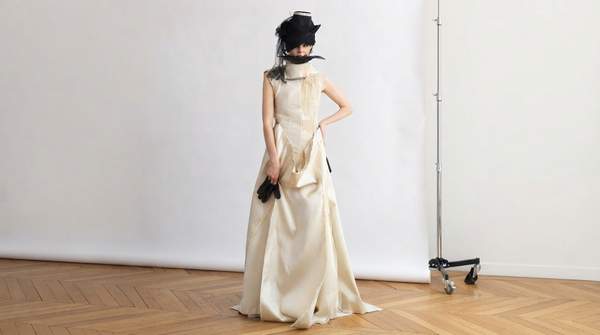
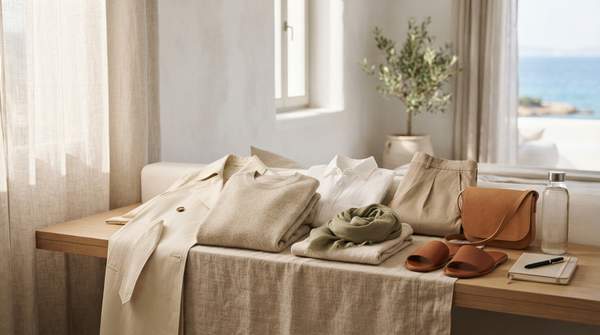
A visual comparison highlighting the intricate craftsmanship of haute couture against the streamlined production of ready-to-wear fashion.

To earn the coveted 'haute couture' designation, a fashion house must maintain an atelier with at least 15 full-time staff and 20 full-time technical workers dedicated to crafting custom garments, according to Vogue. These artisans meticulously hand-craft garments, ensuring each stitch and embellishment contributes to a singular vision. Each collection must also present a minimum of 50 original designs, requiring multiple fittings for private clients. While the global fashion industry thrives on mass production, haute couture rigidly adheres to bespoke creation, demanding extensive human labor for each unique piece. This mandated investment in human labor and intricate design reveals haute couture as less a direct profit center and more a strategic commitment, compelling top-tier houses to cultivate continuous high-concept creative work. Therefore, despite its limited direct sales, haute couture will likely persist as an indispensable engine for luxury brand innovation and an unparalleled symbol of prestige, influencing broader fashion trends from the top down.

More Than Just Clothes: The Strategic Value of Haute Couture

Beyond individual sales, haute couture functions as a critical laboratory for design innovation and an indispensable image builder for luxury brands, according to Vogue. This segment pushes creative boundaries, exploring new techniques and silhouettes that eventually trickle down to ready-to-wear. The extreme labor and design requirements are not merely about luxury; they represent a mandated investment in brand research and development, disguised as bespoke garment creation. This compels top-tier houses to invest heavily in what is essentially a regulated, high-cost R&D and marketing department, ensuring their prestige and innovation remain at the forefront of global fashion dialogue and fostering an aspirational brand identity across all market tiers.

Bespoke Artistry vs. Mass-Market Efficiency

FeatureHaute CoutureReady-to-Wear
Production MethodMade-to-order, custom fittings, extensive handcraftingMass production, standardized sizing, machinery-driven
Design VolumeMinimum 50 original designs per collectionHundreds or thousands of variations per season
Staff RequirementsAt least 15 full-time staff and 20 technical workers in atelier, according to VogueFactory workers, fewer specialized artisans per garment
PricingExorbitant, reflects labor and exclusivityAccessible, volume-driven pricing
PurposeBrand image, R&D, artistic expressionCommercial sales, trend dissemination, accessibility
ClienteleExclusive private clients, collectorsBroad consumer market

Ready-to-wear production focuses on mass production using systematic procedures and machinery to make clothes cheaply in high volume, as explained by Tegmade. This stark contrast reveals that while ready-to-wear prioritizes efficiency and broad market access, haute couture remains dedicated to individual artistry and exclusivity, serving distinct purposes within the fashion ecosystem. The fashion industry operates on a paradoxical model where its commercial success is underpinned by a segment that actively rejects modern manufacturing principles.

The Exclusive Calendar of Haute Couture Shows

The haute couture calendar is strictly defined, with Paris Fashion Week (Haute Couture) scheduled for January 26–29, 2026, and from July 6–9, 2026, according to FHCM Paris. These biannual presentations, held exclusively in Paris, reinforce the tradition and prestige of the designation. The fixed schedule underscores its ceremonial nature and role as a distinct, high-profile event. These are not mere trade shows but elaborate artistic showcases, meticulously curated to captivate a select audience of clients, press, and industry leaders, allowing each collection's intricate details to be appreciated without mass-market pressures.

Ready-to-Wear: Accessibility and Trends

In contrast to haute couture, ready-to-wear collections prioritize accessibility and broader market appeal. These collections translate avant-garde concepts from couture runways into commercially viable garments available in standardized sizes. Ready-to-wear serves as the primary economic engine for most fashion houses, generating the majority of their revenue through widespread distribution. This dual approach allows luxury brands to maintain artistic integrity and prestige through couture, while simultaneously achieving significant market penetration and profitability through ready-to-wear lines.

Frequently Asked Questions

What are the main types of fashion collections beyond haute couture and ready-to-wear?

Beyond the core distinctions of haute couture and ready-to-wear, the fashion industry presents several other collection types. These include resort (or cruise) collections, typically released in late fall for spring travel, and pre-fall collections, which bridge the gap between spring/summer and autumn/winter. Bridal collections also represent a specialized segment, focusing on wedding attire.

How is the creative process structured for a ready-to-wear collection?

The creative process for a ready-to-wear collection begins with extensive market research and trend analysis, focusing on consumer demand and commercial viability. Designers consider seasonal themes, fabric availability, and production efficiencies. The designs are then scaled for mass production, often involving pattern grading, sample creation, and fit testing across various sizes before manufacturing begins.

Who are the primary clients for haute couture garments?

The primary clients for haute couture garments are an exclusive group of ultra-high-net-worth individuals, often referred to as "couture clients" or "private clients." This clientele frequently includes royalty, celebrities, and art collectors, predominantly from regions like the Middle East, Asia, and Europe. These discerning buyers seek unique, custom-fitted pieces for special occasions or as investments in wearable art.

Haute couture will likely continue to thrive, not as a direct sales driver, but as an indispensable engine for luxury brand innovation and an unparalleled symbol of prestige, ensuring top-tier houses maintain their aspirational edge in a mass-market dominated industry.