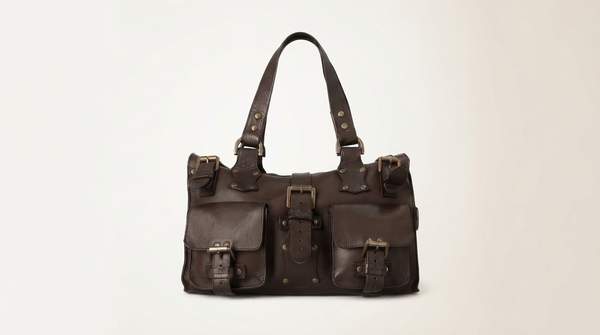
The luxury handbag market has seen an $8 billion hole open up as sales plummeted nearly 10% from their 2023 peaks, signaling a profound shift in consumer desire. This market movement confirms a significant re-prioritization of luxury spending, directly impacting brands heavily reliant on this category.
For decades, designer handbags served as a tangible marker of affluence and often a secure investment. The current $8 billion market contraction, however, shows consumers are increasingly seeking value and alternative expressions of status.
This trend of luxury handbag fatigue in 2026 compels traditional luxury brands to redefine value, embrace new forms of aspiration, and adapt to a more discerning, experience-driven consumer, or risk continued market erosion and irrelevance.
Sales of luxury bags dropped almost 10% from their 2023 peaks, according to WSJ. A roughly $8 billion contraction in the market, upending long-held assumptions about luxury consumer behavior.
The $8 billion market contraction in luxury handbags proves even established symbols of wealth are not immune to rapid shifts in consumer priorities. This downturn marks one of the sharpest contractions in the luxury accessories sector in over a decade, excluding pandemic-related dips.
Companies that fail to acknowledge the nearly 10% drop in sales from 2023 peaks risk being left with an outdated product strategy. The market demands new forms of luxury or utility, moving beyond the traditional handbag as a primary status indicator.
Beyond the 'It' Bag: Shifting Desires and Economic Headwinds
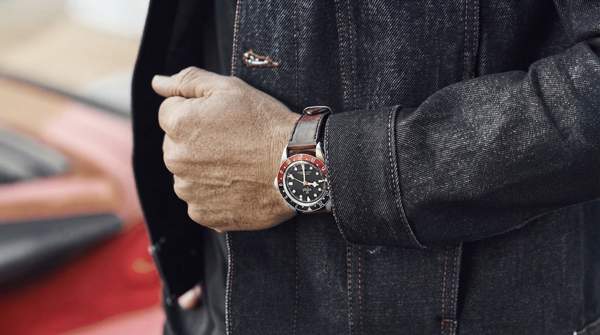
Younger affluent consumers increasingly prioritize experiences or investments in categories like fine art and watches over traditional logo-heavy handbags, according to a Deloitte luxury report. This shift confirms a broader re-evaluation of how wealth and status are displayed.
The rise of 'quiet luxury' aesthetics on social media has diminished the appeal of overtly branded items, favoring understated elegance, as reported by Vogue Business. This trend challenges the established marketing strategies of many luxury houses, demanding a focus on subtlety and craftsmanship over conspicuous logos.
Economic factors also play a role. Inflationary pressures and uncertainty cause high-net-worth individuals to be more discerning with discretionary spending on fashion items, states Bloomberg Economics. This economic caution, coupled with the robust growth of the luxury resale market, creates a dual challenge. The resale market offers consumers access to coveted items at lower prices, notes The RealReal Report, directly impacting new sales and forcing brands to justify full-price purchases against a more accessible secondary market. These combined forces significantly reshape what constitutes desirable luxury for today's consumer.
Brands Under Pressure: Innovation or Irrelevance?
Luxury brands are being forced to innovate beyond their traditional product offerings and marketing playbooks.
- Several major luxury houses are increasing investments in alternative categories like high jewelry, home goods, and bespoke experiences, according to LVMH investor calls.
- Brands are experimenting with limited-edition drops and collaborations to reignite exclusivity and generate buzz, moving away from mass production, a strategy highlighted in a BoF report.
These strategies, from broadening product portfolios to controlled scarcity, aim to capture new consumer interests and mitigate reliance on a single product category. There is also a growing emphasis on transparent sourcing and sustainable materials in new collections to appeal to environmentally conscious buyers, as detailed in a Kering sustainability report. Furthermore, marketing efforts are shifting from celebrity endorsements to influencer partnerships that emphasize lifestyle and personal style over overt branding, according to WGSN trend analysis. These changes collectively mark a considerable pivot. Brands are not just diversifying products but fundamentally altering their ethical and promotional approaches to resonate with a more informed and values-driven clientele.
The Future of Aspiration: Beyond the Bag
- The shift away from handbags confirms a broader redefinition of status, moving from visible material possessions to more subtle indicators of wealth and taste, according to cultural sociology studies.
- Brands that successfully integrate digital experiences and personalized services are seeing higher engagement from younger demographics, as noted in a McKinsey luxury report.
- The long-term viability of luxury brands will increasingly depend on their ability to cultivate authentic narratives and foster community, rather than relying solely on product desirability, states the Forbes Business Council.
The era of the 'it' bag as the primary luxury entry point is waning. This trend establishes a new framework where authenticity, experience, and understated value will dictate market leadership, rather than overt branding. Consumers now demand more than just a product; they seek a connection to a brand's values and a unique expression of their personal identity.
If luxury brands fail to pivot swiftly towards authentic narratives, personalized experiences, and diversified offerings, their long-term relevance in a post-'it' bag market appears increasingly tenuous.