Around 50 percent of Gen-Z consumers globally have already purchased fashion outside of their gender identity, signaling a seismic shift in how the next generation defines style. Active engagement demonstrates a deeply personal connection to clothing as a form of self-expression, moving beyond traditional gendered divisions within the mainstream retail market.
However, consumer interest in gender-fluid fashion is surging, yet many established brands continue to operate with outdated gendered marketing and product lines. The disconnect between surging consumer interest in gender-fluid fashion and established brands' outdated gendered marketing and product lines creates a significant gap between evolving consumer desires and the retail offerings available.
Brands that fail to authentically embrace gender-fluid strategies risk alienating a powerful and growing consumer base, potentially ceding significant market share to more progressive competitors.
The Multi-Billion Dollar Shift: Market Growth and Broad Appeal
- USD 3.04 billion — The global genderfluid clothing market was valued at this amount in 2025, according to Business Research Insights.
- USD 8.695 billion — This market is projected to reach this value by 2035, growing at a Compound Annual Growth Rate (CAGR) of 10.2% from 2025 to 2035, also reported by Business Research Insights.
- 70 percent — This percentage of all consumers express interest in buying gender-fluid fashion in the future, according to CNBC.
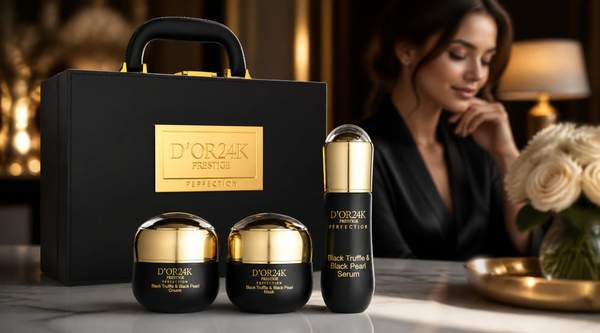
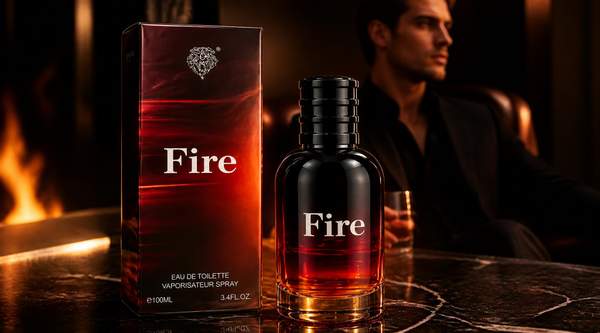
- Fragrances, fashion, and beauty — These categories showed consumer interest within the context of genderless fashion discussions, indicating a broader lifestyle application beyond clothing, according to PMC.
The substantial market growth and widespread consumer engagement across various product categories confirm gender-fluid fashion as a mainstream and expanding opportunity, extending its reach beyond apparel to encompass broader lifestyle expressions.
| Metric | 2025 Value | 2035 Projection | Projected CAGR (2025-2035) |
|---|---|---|---|
| Global Genderfluid Clothing Market Value | USD 3.04 billion | USD 8.695 billion | 10.2% |
Source: Business Research Insights
The significant increase from USD 3.04 billion in 2025 to a projected USD 8.695 billion by 2035 illustrates a rapid expansion in the genderfluid clothing sector. The growth trajectory, with a CAGR of 10.2%, underscores the escalating demand for fashion that transcends traditional gender boundaries.
The push for gender-fluid fashion stems largely from Gen Z's distinct purchasing behaviors and values. While 70 percent of all consumers express future interest in gender-fluid fashion, approximately 50 percent of Gen Z individuals have already purchased items outside their gender identity, according to CNBC. The gap between 70 percent of all consumers expressing future interest in gender-fluid fashion and approximately 50 percent of Gen Z individuals already purchasing items outside their gender identity indicates that Gen Z is an immediate, active market driver, not merely a future demographic.
This generation views clothing as an extension of identity rather than a fixed binary. Their active purchasing habits challenge traditional market assumptions, showing an immediate demand that brands focusing solely on future intent might underestimate. Based on data from CNBC, with 50% of Gen Z already purchasing fashion outside their gender identity, brands clinging to traditional gendered marketing are not just missing a future trend, but actively alienating a significant portion of their current and most valuable customer base.
Additionally, the gender-fluid movement extends beyond apparel. Data from 2018-2020 indicates that 'perfume and scent' emerged as a hot topic in genderless fashion trends, while categories like 'bags' and 'set-up suits' saw declining popularity, according to PMC. The emergence of 'perfume and scent' as a hot topic in genderless fashion trends, while categories like 'bags' and 'set-up suits' saw declining popularity, suggests that the shift is about holistic identity expression across lifestyle products, compelling brands to consider a broader, integrated approach encompassing fashion and beauty.
Traditional fashion brands, particularly those with rigid gendered marketing and product development cycles, face the most significant risk in this evolving market. Their adherence to outdated models threatens their relevance among Gen Z consumers who actively seek authentic self-expression through fashion. Conversely, agile and inclusive brands that quickly adapt their product lines and marketing strategies to reflect gender fluidity are positioned to capture this rapidly expanding demographic. These brands are gaining a competitive edge by aligning with the values and purchasing behaviors of the next generation of consumers.
The projected growth of the genderfluid clothing market to nearly $9 billion by 2035, as indicated by Business Research Insights, underscores this dynamic. Brands failing to integrate gender-fluid lines are ceding a massive, rapidly expanding revenue stream to more agile competitors, effectively losing future market share to those who embrace inclusivity.
Gen Z's Influence and Evolving Brand Strategies
Gen Z's ethical purchasing power is compelling brands to not only embrace gender fluidity in design but also align with broader values, shaping the future of fashion.
- Around 50 percent of Gen-Z consumers globally have purchased fashion outside of their gender identity, according to CNBC.
- More than half of Gen Z consumers believe gender-neutral clothing is the future of fashion, as reported by FashionUnited UK.
- 81% of Gen Z consumers have changed their decision to buy a product based on brand actions or overall reputation, according to Forbes.
- Data from 2018-2020 indicates that 'perfume and scent' was a hot topic in genderless fashion trends, while 'bags' and 'set-up suit' were declining in popularity, according to PMC.
The current purchasing behavior of Gen Z, combined with their strong ethical convictions, demands a comprehensive shift from brands. It is not enough to simply offer gender-fluid products; companies must authentically embed inclusivity into their brand identity. Given that 81% of Gen Z consumers change purchase decisions based on brand reputation, companies risk being perceived as opportunistic and losing this ethically-driven demographic if their values do not align with their product offerings. A focus on genuine representation and transparent brand actions will determine success in the gender-fluid market.
- 50 percent of Gen Z consumers have already purchased fashion outside their gender identity, demonstrating immediate market demand.
- The global genderfluid clothing market is projected to grow from USD 3.04 billion in 2025 to USD 8.695 billion by 2035, indicating rapid expansion.
- 81% of Gen Z consumers alter purchasing decisions based on a brand's reputation and actions, emphasizing the need for authentic inclusivity.
- Interest in 'perfume and scent' as a genderless trend, alongside declining interest in 'bags' and 'set-up suits', suggests the gender-fluid movement is a holistic identity expression across lifestyle products.
By 2026, mainstream fashion retailers that have not aggressively adapted their marketing and product lines to gender-fluid apparel will likely see a measurable decrease in relevance among Gen Z, ceding future growth to more responsive competitors. For example, brands like H&M, which has experimented with gender-neutral collections, must continue to expand and integrate these lines authentically to secure their position with this influential demographic, whose purchasing power is steadily increasing.