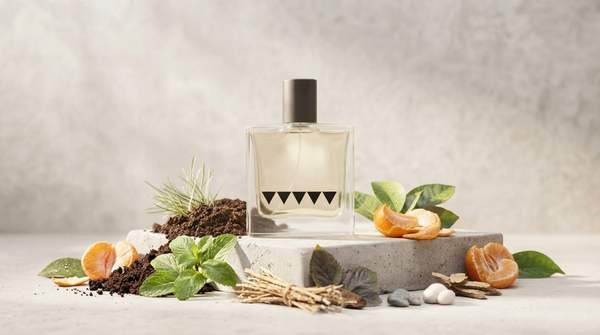
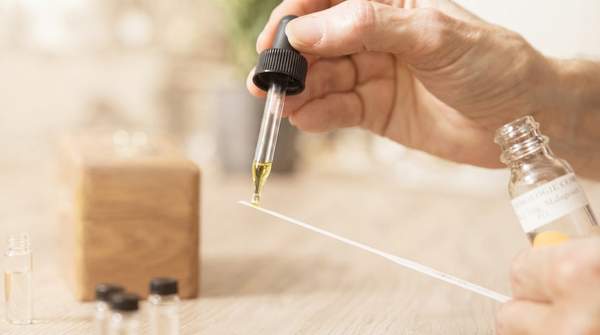
Despite spending hundreds on a luxury perfume, many find their signature scent fades within hours, often unaware that a simple lotion application could double its staying power. This frustration often drives consumers to pricier fragrances, overlooking fundamental application techniques and how skin condition impacts scent longevity. While quality matters, personal application and skin health play an equally, if not more, significant role. Optimizing these methods is as critical as the perfume's formulation for achieving lasting appeal.
Decoding Fragrance Concentrations and Lifespan
Eau de parfums, with higher essential oil concentrations, typically last 4-5 hours. Eau de toilettes and colognes, containing less oil, endure for 2-3 hours, notes Sensoriam. This concentration difference often leads consumers to equate higher price with superior longevity. However, Sensoriam also highlights that moisturized skin acts as a 'scent sponge,' significantly impacting fragrance persistence. This means skin hydration can be a more critical determinant of longevity than the perfume's inherent concentration. Consumers seeking lasting scent should prioritize skin hydration over simply chasing more concentrated—and often more expensive—perfumes.
Beyond Moisturizer: Actionable Tips for Lasting Scent
To maximize scent lifespan, moisturize before applying fragrance. A hydrated surface, created with unscented lotion or body oil, locks in scent, preventing rapid absorption and allowing for a slower, controlled release, as detailed by Sensoriam. Strategic application points also enhance longevity: pulse points like wrists, neck, and behind the ears generate heat, diffusing the scent. Crucially, avoid rubbing wrists together; this breaks down fragrance molecules, diminishing the effect. Allow perfume to air dry naturally.
Why Your Favorite Scents Disappear So Quickly
Lighter scents, like citrus or jasmine, evaporate faster due to their small molecular structure, states Sensoriam. These fragrances are simply not designed for extended wear, regardless of application or skin preparation. Consumers often expect all perfumes to last all day, unaware of these fundamental differences. Beyond molecular structure, environmental factors like hot, dry climates accelerate evaporation. Individual skin chemistry, including pH and oil production, also influences how a perfume interacts and lasts. Understanding these inherent limitations is key to managing expectations for lighter, more volatile scents.