How to Pair Wine With Food: Science and Tips for 2026

A 2026 study objectively measured wine and cheese interactions directly in saliva, revealing that an 'optimal pairing' can be scientifically calculated.

CR
Camille Rousseau

April 16, 2026 · 6 min read

A cinematic scene of red wine and cheese on a table in a wine cellar, representing the science of optimal food and wine pairing.

A 2026 study objectively measured wine and cheese interactions directly in saliva, revealing that an 'optimal pairing' can be scientifically calculated. The calculation considers the decrease in salivary and cheese proteins by wine, acting as a cleansing effect, and the reduction in astringency due to the cheese, as measured by Salivary Protein Index (SPI), according to exploring cheese and red wine pairing by an in vitro simulation of .... Such precise measurements suggest a tangible, physiological basis for what constitutes an ideal match for various cuisines.

Wine pairing has long been considered an art guided by subjective taste, offering general wine pairing principles and tips for matching with cuisine. However, new scientific and data-driven research is revealing objective principles that often contradict this traditional wisdom. The tension highlights a shift from anecdotal recommendations to measurable biochemical interactions.

As scientific understanding of flavor interactions grows, consumers will likely gain access to more precise, personalized, and potentially less expensive pairing recommendations, challenging the authority of traditional sommeliers and commercial menus. This evolution could redefine how we approach food and wine in 2026.

Beyond Taste Buds: The Science and Data Behind Optimal Pairings

The scientific approach to wine pairing is emerging from a dual methodology: precise in-vitro measurement of chemical interactions in the mouth and large-scale computational analysis of consumer taste data. The work represents a first attempt to explore the in vitro interactions between cheese, wine, and saliva to objectively measure the pairing, according to exploring cheese and red wine pairing by an in vitro simulation of .... The optimal pairing was calculated considering the decrease in salivary and cheese proteins by wine, the decrease in astringency due to the cheese, and the coating fat which would remain in the mouth after eating a piece of cheese.

The scientific identification of 'optimal pairings' based on objective physiological effects like astringency reduction directly challenges the subjective, often restrictive, and commercially-driven recommendations found on restaurant menus. The complex interplay of salivary proteins, astringency, and fat coating, scientifically measured, demonstrates that the best pairings are not intuitive sensory matches. The research utilized a food dataset of 500,000 reviews and a wine reviews dataset of over 130,000 entries to compute taste descriptors, as reported by winegraph: a graph representation for food-wine pairing - arxiv. The studies suggest a comprehensive scientific framework that traditional methods often lack.
Based on the objective measurement of 'optimal pairing' through in-mouth interactions, companies continuing to offer traditional, commercially-driven wine pairings are likely providing suboptimal experiences. They miss an opportunity to enhance customer satisfaction through evidence-based recommendations. The convergence of large-scale consumer data analysis with precise physiological science signals that personalized wine pairing, tailored to individual palates and specific food interactions, is no longer a distant dream but an imminent reality, poised to disrupt the entire wine and hospitality industry.

Measuring Interactions for Enhanced Food Pairings

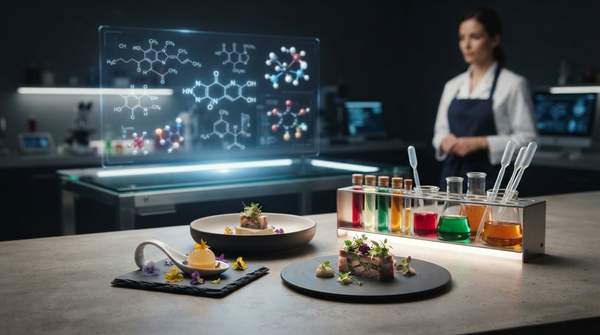
The scientific process to identify optimal food and wine pairings involves several precise steps. Researchers begin by analyzing the chemical composition of both the wine and the food item, such as cheese. This includes identifying proteins, tannins, and fat content that interact within the mouth. Specifically, the interaction between wine, food, and human saliva is simulated in vitro to observe biochemical changes.

One critical measurement focuses on the wine's cleansing effect, quantified by its ability to decrease salivary and cheese proteins. Simultaneously, scientists measure the reduction in astringency, a dry, puckering sensation often caused by tannins in red wines, when combined with certain foods. This astringency reduction can be precisely tracked using indicators like the Salivary Protein Index. The residual fat coating left in the mouth after consuming food is also considered, as this impacts the overall sensory experience.

By combining these physiological measurements with extensive data analysis from consumer reviews, a more objective pairing emerges. The method moves beyond subjective opinions to offer pairings calculated for their biochemical efficacy. The goal is to identify combinations that actively improve the mouthfeel and overall taste perception, rather than simply coexisting.

The Commercial Pitfalls of Traditional Pairing

Wine pairings on restaurant menus are often criticized for high prices, uninspired choices, tiny pours, and excessive explanations, according to why you should skip the wine-pairing menu - wsj. The author suggests that these traditional wine pairings can be restrictive rather than ideal, failing to offer the best experience. This commercial practice often prioritizes profitability and convenience over truly optimal sensory matches for consumers.

In contrast, projects like WineGraph offer data-driven alternatives by pre-processing vast food and wine review datasets. The project calculates aroma descriptors, creates food-wine pairings, and incorporates this data into a FlavorGraph, as detailed by winegraph: a graph representation for food-wine pairing - arxiv. The analytical approach moves beyond the limitations of subjective sommelier recommendations. The objective wine pairing, emerging from precise in-vitro measurement and large-scale computational analysis, suggests a comprehensive scientific framework that traditional methods lack.

The commercial practice of wine pairing often fails to deliver value or an optimal experience, making data-driven approaches a compelling, less restrictive alternative for consumers seeking better matches. Traditional advice, often rooted in historical conventions or commercial agreements, struggles to compete with the precision offered by scientific measurement of in-mouth interactions. The scientific identification directly challenges the subjective, often restrictive, and commercially-driven recommendations found on restaurant menus, suggesting many traditional pairings are not truly ideal.

Practical Tips for Objective Wine Pairing in 2026

Consumers in 2026 can begin to apply objective wine pairing principles by focusing on physiological effects rather than just flavor harmony. Instead of seeking wines that simply "match" a dish's flavor profile, consider how a wine might physically cleanse the palate or reduce astringency. For example, a red wine with high tannins might be best paired with fatty foods, where the fat helps to coat the mouth and mitigate the wine's dryness.

Another tip involves observing the mouthfeel and aftertaste. Optimal pairings, according to recent scientific studies, often result in a cleaner palate and a balanced finish, rather than a lingering fat coating or an intensified astringency. Experiment with wines that actively refresh the mouth after a rich dish. The analytical approach contrasts with simply finding a wine that shares similar aromatic notes.

As data-driven pairing tools become more accessible, consumers can leverage these platforms to discover personalized recommendations. These tools analyze vast datasets of consumer preferences and chemical interactions, offering pairings tailored to individual tastes and specific dishes. The process moves beyond generalized advice toward a more precise, evidence-based selection process.

What are the basic rules of wine pairing?

Basic wine pairing in 2026 is evolving beyond traditional rules to consider objective physiological interactions. Instead of solely focusing on matching flavors, new principles emphasize how wine affects palate cleansing, astringency reduction, and residual fat coating in the mouth. The scientific shift provides a more measurable framework for ideal pairings.

How do you pair wine with different types of food?

Pairing wine with different food types now involves analyzing specific biochemical interactions. For instance, high-tannin red wines can effectively cut through the richness of fatty meats by interacting with salivary proteins, creating a cleansing effect. Conversely, acidic white wines can balance the richness of creamy dishes by refreshing the palate.

What are some common wine and food pairing mistakes to avoid?

A common mistake to avoid in wine pairing is relying solely on subjective, commercially-driven recommendations that may be suboptimal. Many traditional pairings prioritize profit or convention over actual physiological harmony. Another error is overlooking the wine's impact on mouthfeel, such as its ability to reduce astringency or cleanse the palate after a rich dish.

The shift from subjective art to measurable science in wine pairing presents significant opportunities for consumers and the industry. By Q3 2026, personalized wine pairing services, leveraging both in-mouth physiological measurements and vast consumer data, are expected to become more widespread. The shift will empower consumers with objective, effective, and potentially more affordable pairing recommendations, fundamentally altering the landscape for traditional sommeliers and commercial wine programs.