What is sous vide and molecular gastronomy in fine dining?

A steak cooked on a grill or skillet can lose up to 40% of its volume due to moisture loss, a stark contrast to the minimal loss experienced with sous-vide preparation.

CR
Camille Rousseau

April 14, 2026 · 4 min read

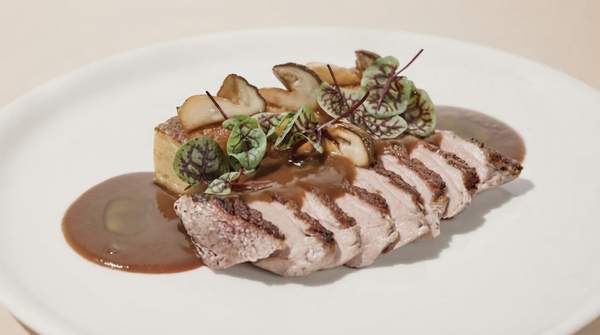
A perfectly cooked sous vide steak presented elegantly in a fine dining setting, symbolizing culinary precision and innovation.

A steak cooked on a grill or skillet can lose up to 40% of its volume due to moisture loss, a stark contrast to the minimal loss experienced with sous-vide preparation. This substantial reduction in yield, according to Anova Culinary data, reveals an inherent inefficiency in traditional cooking methods. Such a difference directly impacts a restaurant's bottom line and the consistency of its customer experience.

However, sous-vide promises culinary perfection and extended shelf life through precise temperature control. Yet, it faces significant limitations in microbial pathogen elimination. It also requires specific equipment and training, creating perceived barriers to wider adoption. This tension between its practical benefits and its challenges defines its current place in the culinary world.

Based on this evidence, sous-vide will remain a staple in professional kitchens for its precision. But its broader mainstream adoption will likely stay niche, due to cost, training, and a lingering association with complex, high-end experimental cuisine.

The Science of Sous-Vide: Precision in a Water Bath

Sous-vide, French for "under vacuum," seals food in a plastic pouch and cooks it in a precisely controlled water bath. This method, contrary to popular belief, can be executed with just a plastic bag, a thermometer, and a pot, as Galavante confirms. Consistent water temperature ensures even heat distribution, while vacuum-sealing inhibits bacterial growth, extending shelf life, noted by PMC. This dual benefit of precise cooking and preservation makes sous-vide a valuable tool for culinary consistency.

The Galavante insight into its basic accessibility, contrasted with PMC's mention of equipment costs, reveals a communication failure. The culinary world often fails to highlight sous-vide's fundamental simplicity, limiting its adoption beyond elite circles.

Unlocking Culinary Consistency and Choice

Exact temperatures allow chefs unparalleled consistency. Every sous-vide dish reaches its desired doneness and texture with precision, eliminating traditional variability. This control empowers chefs to achieve specific textures and doneness, opening new culinary possibilities and menu development. For example, a medium-rare steak becomes uniform from edge to edge, avoiding overcooked exteriors or undercooked centers. This reliable outcome enhances dining and streamlines kitchens, cutting waste. Diners receive the intended culinary experience, every time.
From Sous-Vide to Spherification: The Molecular Gastronomy Connection

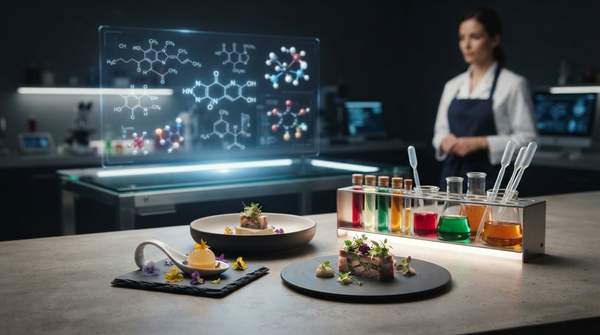
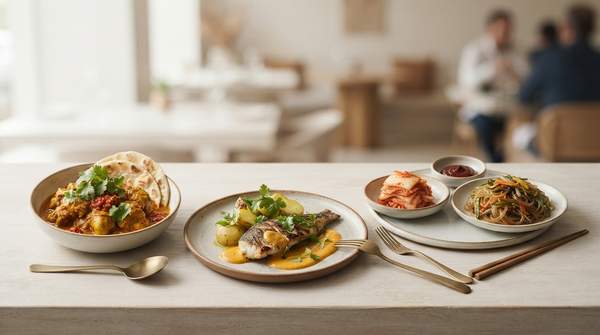
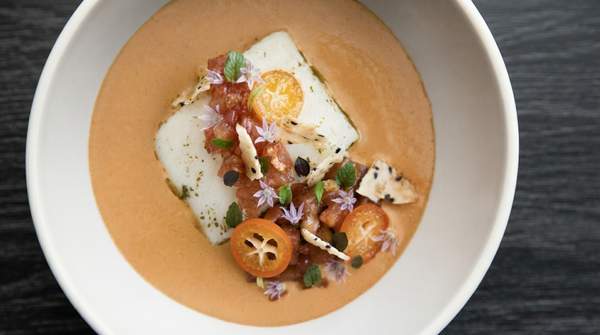
Sous-vide's precision often links it to experimental molecular gastronomy. Chefs like Ferran Adrià at elBulli pioneered spherification and foam making, pushing boundaries through scientific principles, as Sites Google notes. These avant-garde methods reveal a broader fine dining movement: applying science to food. While sous-vide focuses on temperature control, it shares this scientific spirit. Establishments like Noma also embrace innovative techniques for flavor and texture. This connection, however, positions sous-vide as complex and high-end, not a practical tool for everyday kitchen efficiency.

This association with avant-garde dining, like elBulli's techniques, distracts from sous-vide's practical benefits: extended shelf life and reduced moisture loss. This limits its adoption in kitchens prioritizing efficiency and waste reduction, reinforcing the core argument.

The Hidden Costs and Critical Limitations

Sous-vide presents practical challenges. Equipment costs and specific training needs hinder broader integration, as PMC notes. While basic setups exist, professional immersion circulators and vacuum sealers demand substantial initial investment.

A critical safety concern: sous-vide's limited effectiveness against all microbial pathogens. PMC states vacuum-sealing inhibits bacterial growth, but its efficacy against viruses, parasites, and various bacteria forms is restricted. This means sous-vide prolongs freshness but doesn't guarantee complete pathogen elimination, creating a false sense of security. Kitchens relying solely on sous-vide without comprehensive food safety training inadvertently create a dangerous illusion of safety. Chefs must combine sous-vide with other methods, like searing or pasteurization, to ensure food safety.

What is the difference between sous vide and molecular gastronomy?

Sous-vide is a specific cooking technique: precise temperature control in a water bath. Molecular gastronomy is a scientific discipline, investigating ingredient transformations during cooking. It's an approach to food science, not a single method, often inspiring techniques like sous-vide.

How is molecular gastronomy used in modern restaurants?

Modern restaurants use molecular gastronomy to innovate textures and flavor. Chefs create stable gels, emulsify liquids into surprising forms, and rapidly freeze components with liquid nitrogen. This allows for deconstructed dishes, unexpected sensory experiences, and heightened control over ingredient properties.

What are the benefits of sous vide cooking for restaurants?

For restaurants, sous-vide offers significant operational advantages beyond consistency and moisture retention. It allows efficient batch cooking and precise timing. Dishes hold at optimal temperatures without degrading, reducing rush-hour stress. This method also supports advanced meal preparation, ensuring food quality over time.

The Future of Precision Cooking

By Q3 2026, culinary schools and industry training programs could demystify sous-vide, potentially influencing companies like Anova Culinary to market simpler, more robust home-use units, fostering greater understanding and broader acceptance by highlighting its practical benefits over perceived complexity.