What is Umami's Influence on Modern Fine Dining Menus?

At a Michelin-starred restaurant, a chef might spend hours fermenting ingredients or precisely balancing aged cheeses and mushrooms, all to achieve a profound depth of flavor that diners often describ

CR
Camille Rousseau

May 4, 2026 · 4 min read

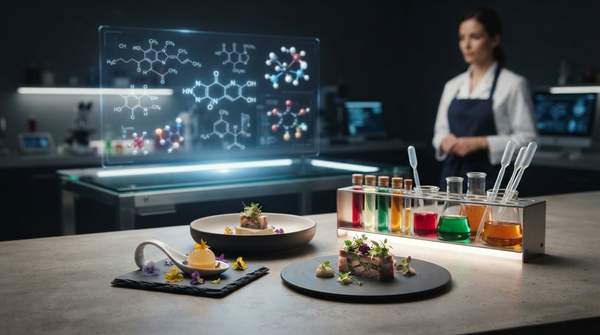
A Michelin-starred chef carefully arranging a gourmet dish in a sophisticated restaurant kitchen, highlighting the art of flavor creation.

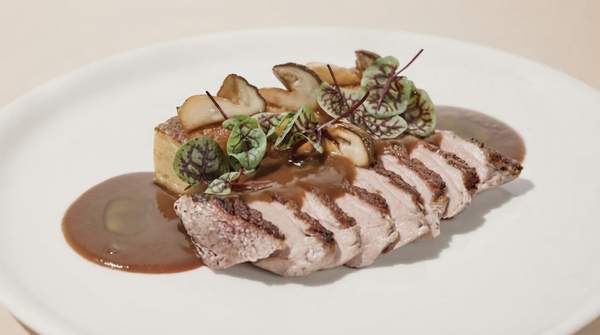
At a Michelin-starred restaurant, a chef might spend hours fermenting ingredients or precisely balancing aged cheeses and mushrooms, all to achieve a profound depth of flavor that diners often describe simply as 'delicious' without realizing they're experiencing the deliberate art of umami.

Umami is a scientifically recognized basic taste and a cornerstone of modern culinary innovation, but its deliberate application often remains an unacknowledged secret in fine dining, and its most potent form, MSG, still carries a baseless stigma.

Based on the increasing scientific understanding and widespread adoption by leading chefs, umami's influence will likely continue to grow, becoming an even more explicit and celebrated element of global fine dining, potentially overcoming past misconceptions.

What is Umami?

Officially recognized as the fifth basic taste, umami's journey began with Kikunae Ikeda's identification in Japan in 1908. The discovery of the umami taste receptor (T1R1/T1R3) provided irrefutable scientific grounding for its distinct recognition, as detailed in umami the fifth basic taste: history of studies on receptor .... This scientific validation elevates umami from a culinary intuition to a precisely understood sensory experience. Beyond mere taste, umami increases salivation, enhancing a dish's overall flavor perception and mouthfeel. Yet, its Japanese origin initially created a linguistic barrier, slowing its embrace in Western kitchens.

Umami in the Kitchen: Techniques and Ingredients

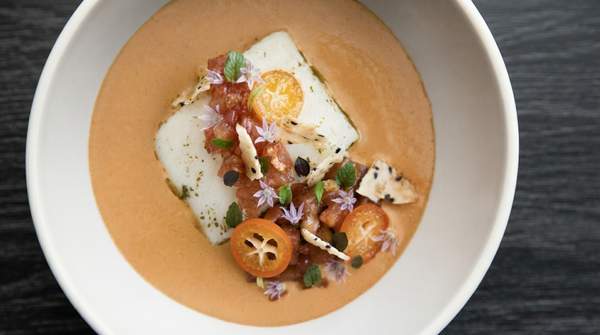
In the world's most innovative kitchens, chefs like Heston Blumenthal at The Fat Duck meticulously layer umami-rich ingredients, often through fermentation or specific cooking techniques. This deliberate approach, epitomized by the "umami bomb" concept, combines multiple umami sources to achieve profound depth without over-reliance on salt, sugar, or fat. Fermentation, a cornerstone technique at Noma, naturally amplifies glutamates and nucleotides, intensely boosting umami. Many chefs also build flavor from the ground up, using umami-rich broths as foundational layers. This intentional mastery of umami allows chefs to sculpt flavors with unprecedented precision, creating dishes that resonate with a deeper, more satisfying complexity.
Beyond Taste: The Broader Impact of Umami

Umami's influence transcends mere flavor. Studies suggest it enhances satiety and curbs cravings for overly salty or fatty foods, hinting at significant health benefits in culinary design, as reported by effects of umami taste on visual food cue processing - mdpi. It also acts as a masterful balancer, softening bitterness and intensifying sweetness to forge a more harmonious profile. Advanced culinary research increasingly explores 'kokumi,' a related sensation that amplifies richness and mouthfeel, often in tandem with umami. Crucially, umami contributes to a dish's coveted 'long finish,' a lingering echo of flavor that defines true fine dining. This multifaceted impact positions umami not just as a taste, but as a fundamental tool for crafting deeply satisfying and balanced gastronomic experiences.

Why Umami Matters to the Modern Diner and Chef

Diners increasingly seek out 'savory' or 'umami-rich' descriptions on menus, reflecting a growing consumer awareness. This shift is mirrored in culinary schools, where dedicated modules now teach students to identify, create, and balance this essential taste. The official recognition of umami has spurred a re-evaluation of classic recipes, uncovering hidden umami sources. Simultaneously, food science actively develops novel umami-rich ingredients, from yeast extracts to plant-based ferments, as highlighted in how umami can contribute to culinary arts and sciences. This convergence of educated palates and scientific advancement transforms umami from an intuitive whisper into a consciously sculpted force, propelling culinary innovation forward.

Addressing Umami Misconceptions and Modern Applications

What are examples of umami-rich ingredients in fine dining?

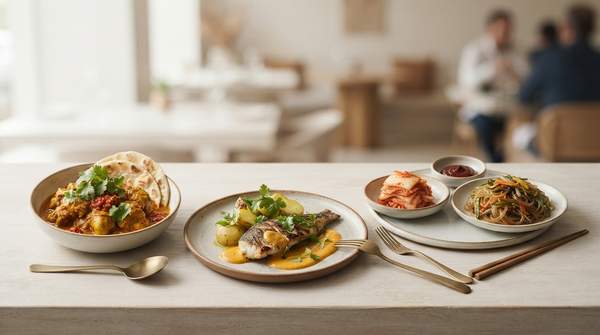
Fine dining's natural larder overflows with umami: aged Parmesan, cured prosciutto, earthy shiitake mushrooms, sun-ripened tomatoes, and briny kombu seaweed. These ingredients, rich in glutamates and nucleotides, weave a nuanced umami tapestry into gourmet dishes, proving its timeless presence in culinary excellence.

Has the stigma against MSG changed in fine dining?

Monosodium glutamate (MSG), umami in its purest form, endures a baseless stigma born from anecdote, not science. While many chefs still hesitate, a growing number of high-end culinary artists now embrace MSG. They wield it to precisely calibrate umami, shedding its controversial past and unlocking new dimensions of flavor control.

How do chefs create plant-based umami?

Plant-based umami flourishes through ingredients like nutritional yeast, fermented miso, and diverse fungi. These components allow chefs to craft rich, savory vegetarian and vegan dishes, delivering profound flavor profiles without animal products. The burgeoning realm of culinary exploration underscores umami's versatility and importance in modern diets.

The Future of Umami in Gastronomy

As umami's intricate nature becomes more consciously understood by both professional kitchens and home cooks, its influence will likely deepen, potentially overcoming past misconceptions and unlocking new frontiers in flavor innovation.