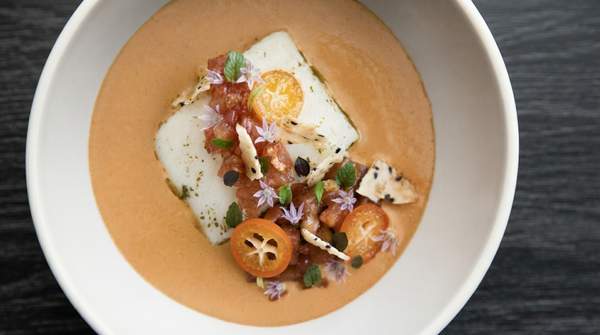
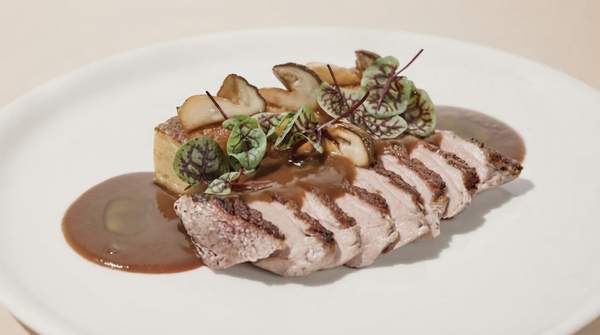
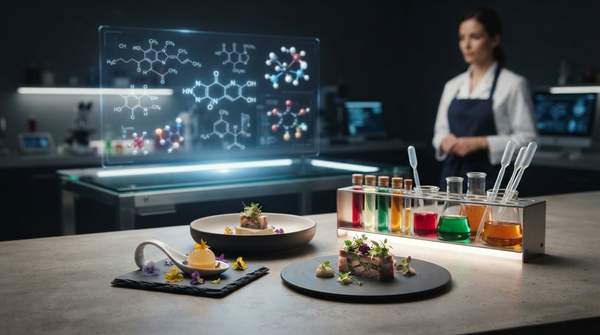
At a Michelin-starred restaurant, a chef uses liquid nitrogen to instantly freeze ice cream, creating a texture so smooth it lacks any ice crystals. This rapid freezing technique transforms classic desserts into experiences of unparalleled smoothness and purity. Such precise control over temperature and texture reveals a core innovation in modern culinary science, pushing beyond traditional kitchen limitations.
Molecular gastronomy often feels intimidating, an avant-garde culinary movement shrouded in complexity. Yet, its leading practitioners argue it is merely an extension of traditional cooking principles. A common misperception of advanced culinary techniques, frequently branded as overly complex or exclusive, is highlighted by this tension.
The term 'molecular gastronomy' may eventually fade, or be recontextualized. Chefs increasingly integrate scientific techniques into mainstream fine dining without needing a distinct label, blurring the lines between 'traditional' and 'modern' cuisine. Scientific understanding will simply become another essential tool in the chef's repertoire, as suggested by this evolution.
What are the Main Techniques Used in Modern Molecular Gastronomy?
Modern molecular gastronomy manipulates food's physical and chemical properties to elevate traditional culinary goals. Techniques like spherification or the use of liquid nitrogen, for instance, are advanced methods for achieving superior texture and flavor transformation, according to ebsco and theguardian. These methods allow chefs to control consistency and taste with scientific precision. Such systematic rigor offers a new level of predictability and innovation, fundamentally shifting culinary science from empirical cooking practices.
Beyond the Label: The Culinary Evolution
Beyond specific tools, modern culinary science represents a profound shift in how chefs approach the kitchen. It involves systematically investigating culinary processes, from heat transfer during baking to emulsion stability in sauces. This scientific rigor allows chefs to understand the underlying mechanisms of traditional cooking methods, enabling precise replication and innovative variations. Grasping these foundational principles offers a deeper insight into food transformation, moving beyond mere recipe adherence to unlock new creative possibilities.
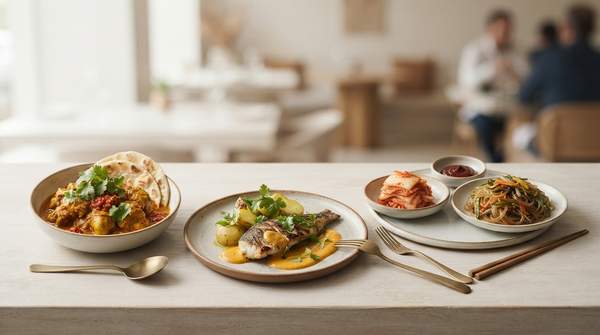
The Chefs' Counter-Argument: Tradition, Not Revolution
Heston Blumenthal, a prominent chef, believes the term 'molecular gastronomy' itself creates artificial barriers, making cooking sound complicated and elitist, according to theguardian. This perspective reveals the chasm between public perception and actual culinary application. Blumenthal, alongside Ferran Adrià, Thomas Keller, and Harold McGee, is collaborating on a joint statement. This initiative aims to emphasize commonalities among chefs, arguing that new cooking approaches have been overemphasized and sensationalized. Their collective statement asserts that tradition remains the foundation for culinary excellence, with modern techniques simply building upon established practices. This unified front by leading figures actively reframes the narrative around advanced cooking methods, seeking to demystify rather than alienate.
Why the Distinction Matters for Diners and Chefs
The culinary world's most innovative chefs, like Heston Blumenthal and Ferran Adrià, are now actively rebranding their own work. The 'molecular gastronomy' label has done more harm than good by alienating the public from advanced cooking techniques, according to theguardian, a fact signaled by the active rebranding of their own work by the culinary world's most innovative chefs, like Heston Blumenthal and Ferran Adrià. This messaging shift aims to make sophisticated culinary science more approachable. Companies or chefs who continue to market 'molecular gastronomy' as a distinct, intimidating genre risk alienating a broader audience, missing the opportunity to showcase how scientific principles can simply elevate everyday culinary experiences, as suggested by ebsco and theguardian. Demystifying these advanced methods encourages broader experimentation and enjoyment in the kitchen and at the dining table. Recognizing molecular gastronomy as an extension of traditional cooking fosters greater appreciation and accessibility, benefiting both practitioners and enthusiasts by enriching the entire culinary landscape.
Frequently Asked Questions
What are the main techniques used in molecular gastronomy?
Molecular gastronomy employs scientific principles to enhance culinary outcomes. Chefs apply methods like precise temperature control and textural manipulation, examining food transformations at a molecular level, according to PMC. These techniques aim to create novel sensory experiences while building on traditional foundations.
How has molecular gastronomy changed the way we eat?
Molecular gastronomy has subtly shifted dining expectations by introducing novel textures and flavor combinations into mainstream cuisine. It encourages diners to engage with food in new sensory ways, fostering an appreciation for scientific precision in culinary arts. This has broadened the scope of what is considered possible or enjoyable in a meal.
What are some examples of molecular gastronomy dishes?
Examples often include culinary foams, which are light and airy emulsions, and edible spheres that burst with liquid flavor. Dishes might also feature gels with unexpected textures or ingredients transformed through precise temperature control. These creations aim to surprise and delight diners with unique sensory profiles.
If chefs like Heston Blumenthal and Ferran Adrià continue to champion an integrated approach, the scientific kitchen will likely simply be known as the kitchen, removing any perceived barriers to culinary creativity and accessibility.