What is minimalist interior design for serene spaces?

Despite popular belief, minimalist interior design isn't about living with just a bed and a single chair; it's a globally embraced concept that adapts across diverse cultures.

LB
Luca Bianchi

May 6, 2026 · 4 min read

A bright and airy minimalist living room with clean lines, neutral colors, and a single green plant, evoking a sense of calm and simplicity.

Despite popular belief, minimalist interior design isn't about living with just a bed and a single chair; it's a globally embraced concept that adapts across diverse cultures. Many perceive it as stark and restrictive, but minimalism is a flexible philosophy promoting purposeful living and enhanced functionality. Embracing its principles cultivates serene, intentional environments, potentially reducing consumption and enhancing well-being.

Beyond Bare Walls: Defining True Minimalism

Minimalist interior design is a global concept, not a rigid, Western aesthetic, according to Architectural Digest. It transcends geographical boundaries, finding unique cultural expressions. This philosophy is more than a look; it discourages unnecessary consumption, promoting living with only what is needed, Architectural Digest states. It fosters a conscious relationship with material goods. Functionality is key, often involving creative storage and design beyond mere aesthetics, as noted by Architectural Digest. Every item serves a purpose; every space is optimized for daily living. Clever solutions, like hidden compartments or multi-use furniture, create efficient, harmonious environments.

The Practical Heart of Minimalist Living

Functionality in minimalist design supports an anti-consumption ethos. Every item serves a purpose; space is optimized. This approach reduces the need for possessions, guiding selection by utility. Intelligently designed spaces become catalysts for deliberate existence, not just aesthetics. True innovation lies in optimized environments serving well-being, not sheer volume. A single furniture piece might combine storage, seating, and display, maximizing its contribution. Every element is thoughtfully chosen, contributing to practical and aesthetic harmony.

Urban developers can learn from this focus on creative storage and multi-functional design. Creating compact, efficient living spaces addresses modern urban dwelling challenges. Prioritizing flexible design and integrated solutions offers residents environments that enhance quality of life. This shift from volume to utility defines effective minimalist principles.
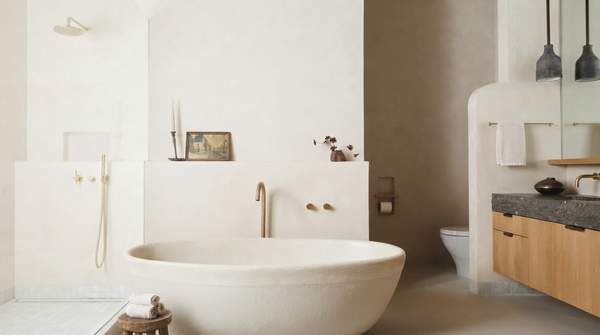

Cultural Adaptations: Minimalism Across the Globe

Minimalism's global adaptability extends beyond aesthetics, resonating with intentional consumption. Traditional Japanese interiors, emphasizing natural materials, clean lines, and multi-functional spaces, embody minimalist principles, creating serene environments prioritizing flow and purpose. This predates Western adoption.

Minimalism's functionality challenges the misconception of it being stark. It involves clever, aesthetically pleasing solutions that enhance spaces. Different cultures interpret this functionality uniquely: Scandinavian design focuses on light and warmth; Mediterranean minimalism uses organic textures and muted palettes.

Minimalism's universal appeal reveals its inherent flexibility, transcending specific Western aesthetics. It adapts to various cultural contexts, retaining core values of simplicity and purpose while reflecting local sensibilities. Diverse interpretations confirm minimalism as a mindset, not a prescriptive style, allowing varied expressions worldwide.

Why Less Truly Is More for Modern Life

Minimalist design discourages unnecessary consumption, signaling a global shift towards intentional living that many retailers misread. Acquiring less is a powerful personal and societal statement in a material-saturated era. This deliberate approach fosters control and clarity, reducing the mental burden of excessive possessions.

Minimalist living contributes to mental well-being by reducing visual clutter and simplifying routines. A less cluttered environment often means a less cluttered mind, promoting tranquility and focus. This intentional approach frees individuals to dedicate time to experiences and relationships, not material wealth.

Minimalism fosters conscious living in a complex, consumer-driven world. Prioritizing quality over quantity, and purpose over fleeting trends, cultivates environments supporting personal values. This philosophical stance benefits personal serenity and environmental sustainability through reduced demand and waste.

Your Minimalist Design Questions Answered

What are the key principles of minimalist interior design?

Key principles of minimalist interior design include a focus on functionality, clean lines, and an uncluttered aesthetic. It emphasizes purposeful curation, where every item serves a role, often involving a neutral color palette and natural materials to create a calming atmosphere. The objective is to achieve harmony through simplicity and order.

How to achieve a serene atmosphere with minimalist decor?

To achieve a serene atmosphere with minimalist decor, prioritize natural light, select a muted color scheme of whites, grays, and soft earth tones, and incorporate tactile textures like linen or wool. Introduce living plants for a touch of nature and ensure ample, concealed storage to maintain visual calm. Thoughtful lighting also plays a crucial role in creating a tranquil mood.

Examples of minimalist interior design for small spaces?

For small spaces, minimalist interior design often features multi-functional furniture, such as a sofa that converts into a bed or a coffee table with hidden storage. Built-in shelving and vertical storage solutions maximize floor space, while a monochromatic palette can make rooms appear larger and more open. Each element is chosen to serve multiple purposes and maintain an uncluttered feel.

Designing for a Purposeful Future

The movement toward intentional consumption, championed by minimalist principles, suggests a significant re-evaluation of retail strategies. By Q3 2026, many mass-market furniture retailers will likely pivot towards offering durable, multi-functional, and sustainably sourced products to align with this growing consumer demand. This shift will reward companies prioritizing enduring value over transient trends, reflecting a profound societal change.

More from Design

Ready for a Masterpiece? How Artist Painters Brings Your Custom Mural Vision to Life in Chicago

Ready for a Masterpiece? How Artist Painters Brings Your Custom Mural Vision to Life in Chicago

This article highlights how Artist Painters transforms custom mural visions into reality in Chicago, explaining the crucial differences between hiring a specialized mural artist and a standard house painter for unique wall art projects. It outlines the benefits of commissioning a professional artist for a truly one-of-a-kind masterpiece.

Adrianne Cole· May 6
Why Quilters Choose Loving Stitches Quilt Shop Over Online Stores for Fabric, Machines, and Guidance

Why Quilters Choose Loving Stitches Quilt Shop Over Online Stores for Fabric, Machines, and Guidance

Online shopping often leads to frustrating decisions for quilters due to mismatched colors, textures, and machine feel. Loving Stitches Quilt Shop provides a hands-on experience for comparing fabrics, testing machines, and receiving expert guidance that online stores cannot replicate.

Adrianne Cole· May 6
The 3 Best MidModCabs Packages for a Timeless Mid-Century Modern Kitchen (Ranked)

The 3 Best MidModCabs Packages for a Timeless Mid-Century Modern Kitchen (Ranked)

This article ranks MidModCabs' three core kitchen packages, offering premium, architect-designed ready-to-assemble (RTA) mid-century modern cabinets. It evaluates each package based on material integrity, construction, design authenticity, and long-term value.

Adrianne Cole· May 6
5 Reasons MidModCabs Earned Its 5-Star Rating for Mid-Century Modern Cabinets

5 Reasons MidModCabs Earned Its 5-Star Rating for Mid-Century Modern Cabinets

MidModCabs is revolutionizing the ready-to-assemble (RTA) kitchen cabinet market by offering high-quality, architect-designed mid-century modern cabinets. Their 5-star rating stems from superior materials like furniture-grade plywood and robust joinery.

Adrianne Cole· May 6