Defining Modern Interior Design Style

Many homeowners mistakenly believe 'modern' means 'new,' yet true modern design, with its exposed wood posts and ceiling beams, is a distinct historical style prioritizing lasting functionality over f

LB
Luca Bianchi

May 5, 2026 · 3 min read

A bright and airy modern living room with exposed wooden beams, clean-lined furniture, and abundant natural light.

Many homeowners mistakenly believe 'modern' means 'new,' yet true modern design, with its exposed wood posts and ceiling beams, is a distinct historical style prioritizing lasting functionality over fleeting trends. offering an enduring path for homeowners seeking quality-of-life enhancements.

Homeowners often use 'modern' and 'contemporary' interchangeably, but modern design is a historically defined style, while contemporary refers to current trends, according to Windermere. Modern design emerged from movements like Bauhaus, advocating for clean lines and functionality. The distinction between modern and contemporary design is crucial for creating spaces with enduring appeal and enhanced quality of life, rather than transient style.

Emphasizing Structural Honesty in Design

Modern homes emphasize structure, often featuring exposed wood posts and ceiling beams. which immediately distinguishes modern design, revealing its philosophy of transparency and truth to materials. Designers embracing modernism's exposed structure deliver spaces that genuinely enhance homeowner quality of life. It moves beyond surface aesthetics, revealing the building's integrity.

Defining the Modern Aesthetic

Modernist homes exhibit a linear feel, characterized by straight lines and exposed building materials. which define modern design's commitment to simplicity, clarity, and honest material expression. Showcasing concrete, steel, or wood as integral design elements affirms that beauty resides in the unadorned truth of construction. This commitment is not just aesthetic; it expresses foundational principles of honest construction and functionality.

Functionality and Flow: The Modern Living Experience

Multifunctional living spaces with built-in storage are foundational to modern homes. prioritizing intelligent space utilization and seamless integration, making homes efficient and livable. Built-in solutions reduce clutter, maximize usable area, and foster order and calm. The emphasis on adaptability ensures these homes remain relevant and functional for years.
Beyond Style: Modern Design's Impact on Quality of Life

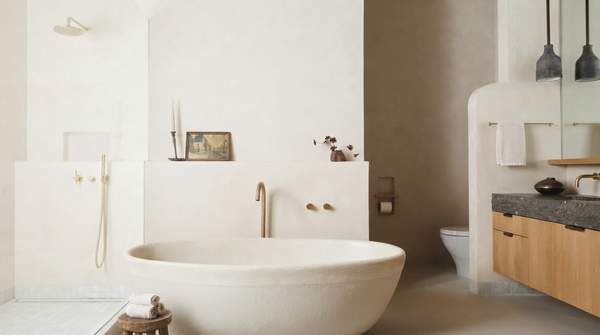
Minimalism in modern home design advocates for uncluttered, light-filled spaces, enhancing homeowner quality of life, according to Anne Carr Design. The focus on minimalism moves beyond aesthetics, creating serene, organized, and light-filled environments that positively impact daily life. Uncluttered spaces reduce visual noise, promoting mental clarity and relaxation. Maximizing natural light reduces energy consumption and connects occupants with the outdoors, fostering well-being.

What are the top interior design trends for 2026?

While modern design is a historical style, contemporary trends for 2026 often lean towards integrating sustainable materials and smart home technology. These current popular styles frequently incorporate biophilic elements, bringing nature indoors through plants and natural textures, which differs from modernism's more industrial roots.

How do I choose an interior design style for my modern home?

To choose a style for a modern home, focus on principles of functionality, clean lines, and open spaces, rather than transient trends. Consider the home's existing architecture and prioritize materials like natural wood, concrete, and glass. Selecting furniture that emphasizes form and utility will maintain the integrity of the modern aesthetic.

What are the most popular modern home decor styles?

Popular modern home decor styles emphasize minimalist principles, focusing on essential items that serve a purpose and contribute to an uncluttered environment. This includes pieces with simple geometric shapes, neutral color palettes, and natural materials. Built-in storage solutions, a hallmark of modern design, help maintain this clean aesthetic by keeping possessions out of sight.

By 2026, companies like SanFranDesign, championing modern design's enduring tenets, will likely see continued demand for adaptable, light-filled, and uncluttered living, affirming that true well-being in design stems from thoughtful historical application.