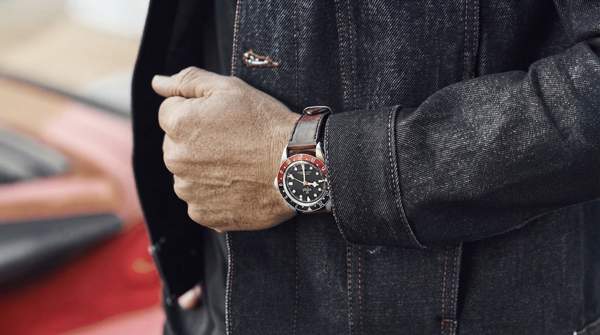
In 2019, luxury brands allocated 55% of their advertising budgets to print magazines, rising to 66% for overall print spend, according to Sappi. This is a deliberate choice in a digital-first era. While general advertising shifts online, luxury brands increase print spending, finding superior effectiveness in this traditional medium.
Print media will likely remain a cornerstone for luxury marketing. This challenges its perceived obsolescence and potentially influences other sectors to reconsider its value for high-value audiences.
1. Why Print Still Reigns for Luxury Brands
Print offers timeless quality, sophistication, and exclusivity for high-end consumers, as Qualprint notes. Unlike fleeting digital ads, print pieces become keepsakes, solidifying a brand's timeless, aspirational image. Direct mail delivers personalized experiences. Print crafts a premium, lasting, and intimate brand experience, a depth digital platforms often miss.
Luxury Brands (General)
Best for: Brands seeking to establish enduring prestige and deep consumer engagement.
Newspapers and magazines rank joint third in effectiveness among the top 10 media formats for luxury brands, surpassing online media, paid social, and online display, according to Sappi. The high ranking of newspapers and magazines demonstrates print's direct impact on luxury consumer engagement.
Strengths: High perceived value, strong brand image reinforcement, measured effectiveness. | Limitations: Higher production costs, slower distribution compared to digital. | Price: Significant investment in premium placements.
Louis Vuitton
Best for: Brands aiming for global recognition through curated visual narratives.
Louis Vuitton uses print media extensively to target consumers, according to g-co. The brand leverages high-quality print campaigns to convey its heritage and craftsmanship.
Strengths: Global reach in luxury publications, consistent brand messaging. | Limitations: Requires careful media selection to maintain exclusivity. | Price: Premium rates for top-tier magazine placements.
Luxury Jewellers
Best for: Brands emphasizing craftsmanship, rarity, and a tangible connection with consumers.
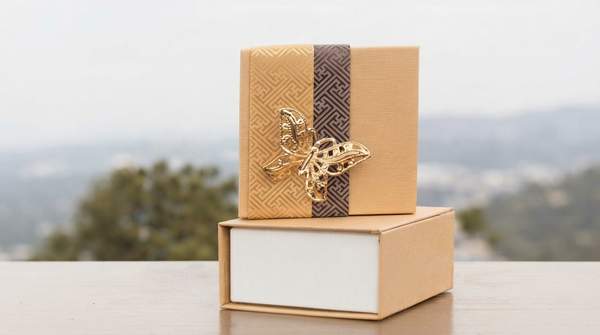
Print catalogues are returning to the marketing mix for luxury jewellers, notes the Financial Times. The return of print catalogues creates a physical, collectible item for potential clients.
Strengths: Creates a tangible, collectible item; allows for detailed product presentation. | Limitations: Production and mailing costs can be high. | Price: Varies based on production quality and distribution volume.
2. Print's Surprising Edge Over Digital Ads
| Attribute | Print Media (Luxury) | Digital Advertising (General) |
|---|---|---|
| Effectiveness Ranking | Joint third among top 10 media formats | Lower than print, paid social, online display |
| Tangibility & Keepsake Value | High; often becomes a collectible item | Low; ephemeral and quickly consumed |
| Perceived Exclusivity | High; associated with premium publications | Variable; often associated with mass reach |
| Cost Trend | Stable or increasing for premium placements | Becoming more expensive, according to the Financial Times |
| Engagement Speed | Deliberately slower, encourages deeper focus | Rapid, often fleeting attention spans |
Print media consistently outperforms many digital channels in effectiveness for luxury brands. Newspapers and magazines rank joint third among top 10 media formats, surpassing online media, paid social, and online display, according to Sappi. The consistent outperformance of print media delivers a more impactful return, especially as digital advertising costs rise.
3. The Enduring Power of Tangible Luxury
Given print's proven effectiveness and tangible appeal, luxury brands will likely continue to prioritize this medium, solidifying its role in cultivating exclusive, lasting connections with their clientele well into the future.
4. Addressing Common Misconceptions
What are the most effective print publications for luxury brands in 2026?
While specific titles vary by target demographic, luxury brands typically favor high-end fashion, lifestyle, and art magazines known for their curated content and affluent readership. Publications like Vogue, Architectural Digest, and The New Yorker offer environments where luxury advertisements are seen as complementary content, not interruptions.
Examples of successful luxury print advertising campaigns?
Chanel's long-standing campaigns in glossy magazines, featuring iconic imagery and minimal text, exemplify successful luxury print advertising. Similarly, Rolex often uses full-page spreads in publications like The Wall Street Journal Magazine to convey precision and enduring value, focusing on product details and heritage without explicit calls to action.
How does the general perception of print effectiveness differ from its actual impact for luxury brands?
Advertisers generally rank newspapers and magazines eighth and ninth for effectiveness, according to Sappi. The broad perception of advertisers contrasts with print's measured impact, which places it joint third among top media formats. Print's value is often underestimated, particularly its strategic role in building exclusivity and lasting brand image for high-end markets.