The Hermès Birkin bag is known to have a two-year waiting list, yet its basic 25-centimeter model still commands an $11,400 price tag, according to brandingstrategyinsider. This extreme barrier to immediate acquisition, coupled with an exorbitant cost, positions the Birkin not merely as an accessory but as a coveted symbol of achievement and patience, making its pursuit a significant part of its allure. The deliberate restriction of access for such items creates a powerful psychological draw, transforming a luxury good into a tangible marker of status. Luxury brand strategies for exclusivity and desirability in 2026 continue to build upon these established foundations.
Luxury brands restrict product availability and inflate prices, but these very barriers amplify consumer desire and drive significant sales growth. A market where conventional economic principles are inverted, and perceived scarcity becomes a catalyst for heightened demand rather than a deterrent. The strategic manipulation of access and cost serves to deepen consumer aspiration, turning high prices into indicators of exclusivity.
As consumer psychology becomes more sophisticated, luxury brands will likely continue to refine their scarcity and desirability tactics, potentially leading to even more elaborate and exclusive access strategies. This evolution is driven by a deep understanding of human social needs, where the acquisition of certain items serves as a means of validation and belonging. The future of luxury exclusivity will hinge on the brands' ability to subtly yet effectively monetize these ingrained desires. For more, see our What are luxury brand strategies.
The Engineered Scarcity of Luxury
Luxury brands frequently limit product availability through methods like capsule collections, VIP waitlists, and ultra-limited editions. These practices aim to drive resale premiums up to 30%, according to designrush. The strategic intent is to transform a product into a perceived investment, thereby justifying exorbitant initial costs and reinforcing its exclusive market position.
Hermès Birkin bags exemplify this approach, with their desirability stemming from virtual rarity. The brand carefully monitors and controls the number of bags produced each year, as reported by appnova. This controlled output is not a limitation of manufacturing capacity but a deliberate choice to maintain an aura of exclusivity. By restricting supply, Hermès ensures that the pursuit of the item becomes as valuable as its eventual acquisition, transforming the product into a symbol of social achievement.
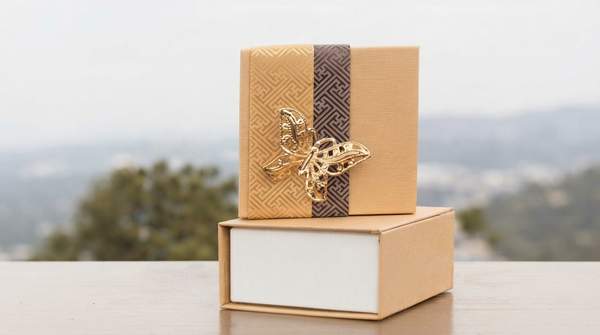
These deliberate limitations and carefully managed brand elements are calculated business strategies to inflate demand, market value, and social signaling. The artificial scarcity creates an immediate sense of urgency and privilege among potential buyers, further cementing the brand's position at the pinnacle of luxury. Maintaining exclusivity is a core component of these strategies for desirability.
The Psychology Behind the Pursuit
Consumers' implicit motivations for purchasing luxury brands are based on the satisfaction of their social goals, which coexist and perform as compensation with each other, according to PMC. This suggests that the desire for luxury goods is not simply about owning an item but about fulfilling deeper psychological needs related to status, belonging, or self-expression within a social context. The brand acts as a proxy for achieving certain self-perceptions or external validations.
A significant finding is that dissatisfaction regarding one social goal related to luxury brands does not diminish overall luxury aspirations; instead, it actively promotes consumers' expectation for the satisfaction of another social goal. This creates a self-reinforcing loop of desire, where the inability to achieve one luxury-driven social validation merely redirects and intensifies the desire for another. The constant pursuit of these evolving social goals fuels sustained engagement with luxury markets.
The research further indicates that when the expectation of social goal satisfaction is violated, it leads to greater anticipation conflict (N200) and emotion conflict (N400), and purchase motivation (LPP) cannot be aroused, according to PMC. The delicate balance luxury brands must maintain: creating desire through scarcity without alienating consumers by making products entirely unattainable. The goal is to cultivate a powerful aspiration that drives future purchases, even if immediate gratification is denied.
The desire for luxury is deeply rooted in complex social and psychological needs, where the brand acts as a proxy for achieving certain self-perceptions or external validations. These intricate psychological mechanisms underpin the effectiveness of luxury brand strategies, ensuring that the emotional connection and aspirational value remain strong. This explains what makes a brand desirable beyond its material form.
The Price of Prestige and Aspirational Reach
Louis Vuitton invited 1.6 million tweeters to watch its Fall/Winter 2021 fashion show in Seoul, resulting in 26.8 million people tuning in, according to appnova. This spectacle extends the brand's psychological influence far beyond its actual buyers. By cultivating widespread aspirational desire among a vast audience, Louis Vuitton reinforces the perceived value and exclusivity for the few who can afford its products. This strategy leverages mass media to amplify prestige without diluting the physical scarcity of the goods.
While physical access to luxury items remains restricted through controlled production and high price points, broad visibility through digital channels maintains aspirational appeal for a wider audience, fueling future demand. The high price tag itself signals prestige, communicating an inherent value that distinguishes luxury goods from mass-market alternatives. This dual approach of limited physical availability combined with extensive aspirational exposure is central to how luxury brands maintain exclusivity.
The consistent reinforcement of luxury as an aspirational goal, even for those who cannot immediately purchase, ensures a continuous pipeline of future consumers. The enduring appeal of high-end brands is sustained by both exclusivity and broad cultural presence. It is a nuanced strategy that balances accessibility of image with inaccessibility of product.
The Tangible Impact on Brand Success
Prada reported retail sales for both Prada and Miu Miu increased by 17% versus 2022, according to brandingstrategyinsider. The strategic engineering of artificial scarcity and high prices does not hinder sales but actively contributes to commercial success. Luxury brands effectively monetize human desires for social validation and belonging, as shown by consistent sales performance.
Luxury brands are not just selling products; they are expertly monetizing deeply ingrained human desires for social validation and belonging, turning artificial scarcity and exorbitant prices into powerful psychological levers, as evidenced by the Birkin's two-year waitlist and $11,400 price tag. The success of this model is reflected in the tangible financial gains reported by major luxury houses. These strategies translate directly into significant financial growth and market dominance for luxury brands, cementing their position in a competitive global market.
The consistent sales growth reported by brands like Prada, despite high prices and limited availability, underscores that the luxury market thrives by strategically engineering a sense of unattainable aspiration, transforming goods into symbols of social achievement rather than mere commodities. This approach allows brands to command higher profit margins and build stronger brand equity, securing their long-term viability and influence. This is a clear indicator of how luxury brands maintain exclusivity and desirability.
FAQ
How do luxury brands maintain exclusivity?
Luxury brands maintain exclusivity by meticulously controlling distribution channels, often through a limited number of boutiques or exclusive partnerships, ensuring their products are not widely available. They also invest heavily in brand heritage and craftsmanship, emphasizing the unique story and artisanal skill behind each item, which cannot be easily replicated. This careful management extends to customer experience, offering bespoke services and personalized interactions that differentiate the luxury purchase from a standard retail transaction.
What makes a brand desirable?
A brand becomes desirable through a combination of perceived quality, symbolic meaning, and aspirational value. Beyond the material attributes of a product, desirability is often driven by the brand's ability to confer status, signal belonging to an elite group, or embody a particular lifestyle. This is reinforced by consistent branding, compelling storytelling, and a reputation for excellence that transcends fleeting trends, creating a lasting emotional connection with consumers.
Examples of successful luxury brand exclusivity strategies?
Beyond the Hermès Birkin's waitlist, brands like Rolex implement strict production quotas for specific models, leading to years-long waiting lists for popular watches and a robust secondary market. Louis Vuitton frequently collaborates with renowned artists.sts on limited-edition capsule collections, creating temporary scarcity and heightened demand for unique, collectible items. These strategies transform products into coveted symbols, reinforcing their elevated status and driving consumer desire for exclusivity.
The Enduring Power of Engineered Desire
The strategic manipulation of desire and exclusivity will remain central to the luxury market, continually evolving to meet consumer aspirations. This enduring power stems from luxury brands' ability to tap into fundamental human needs for social validation and belonging. They have mastered the art of transforming material goods into potent symbols of status and achievement, effectively selling an elevated identity rather than just an item.
The success of these strategies suggests that luxury brands will continue to refine their methods of artificial scarcity and psychological engagement. This could manifest in even more personalized access programs, hyper-limited digital collectibles, or immersive brand experiences that deepen emotional connections while maintaining physical distance. The core principle of making desirable products difficult to acquire will persist, adapting to new technological and cultural contexts.
By 2026, luxury brands like Hermès and Prada will likely continue to demonstrate robust growth, driven by their calculated strategies of exclusivity and desirability. Their sustained profitability will underscore the effectiveness of monetizing aspiration, proving that perceived value and social signaling remain powerful forces in consumer behavior. The deliberate engineering of desire is not a fleeting trend but a foundational pillar of the luxury industry.