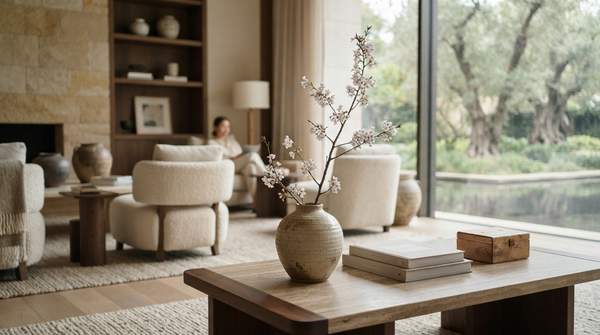
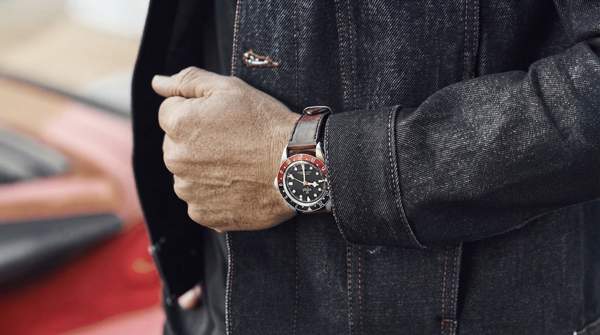
In a surprising twist for China's luxury market, crystal sales surged by 320% in 2024 compared with the previous year, even as the overall personal luxury-goods sector contracted by approximately 5% in 2025, according to Межа. Crystal sales surging by 320% in 2024 while the overall personal luxury-goods sector contracted by approximately 5% in 2025 reveals a profound reorientation of consumer values, shifting from conventional status symbols to more introspective purchases.
The overall personal luxury-goods sector in China is contracting, but brands focusing on subtle quality and emotional value are experiencing significant growth. The contraction of the overall personal luxury-goods sector in China, alongside significant growth for brands focusing on subtle quality and emotional value, signals a fundamental redefinition of luxury for Chinese consumers, challenging established market dynamics for both local and international brands.
Traditional luxury brands failing to adapt to Chinese consumers' evolving preference for quiet luxury and inner peace risk continued market share decline. Culturally attuned brands, however, will capture significant growth. Kering Group's reported 10% revenue decrease in its first-quarter 2024, according to mexicobusiness, exemplifies the pressure on established players in the 2026 market.
The Rise of Understated Elegance
China's fashion consumers increasingly favor labels prioritizing material and craft, driven by the quiet luxury wave, according to Vogue. The increasing favor for labels prioritizing material and craft among China's fashion consumers transcends mere aesthetics; it is a profound cultural and economic response, reshaping luxury's core tenets in China.
Young Chinese consumers move from logo-driven consumption to purchases offering emotional value, seeking inner peace and meaning, Межа reports. The pursuit of personal fulfillment and inner peace by young Chinese consumers, not overt display, redefines luxury's essence, emphasizing subtle quality.
The quiet luxury shift in China reflects a cultural return to Confucian values of modesty and restraint, amplified by slower economic growth and more thoughtful purchasing, Vogue states. Consumers prioritize substance and personal meaning over ostentation, fostering a nuanced interpretation of wealth and status.
- 5% — The personal luxury-goods sector in China contracted by approximately 5% in 2025, according to Межа.
- 10% — Kering Group reported a 10% decrease in revenue in its first-quarter 2024 report, according to mexicobusiness, a figure from 2024.
- 320% — Crystal sales in China rose by 320% in 2024 compared with the previous year, according to Межа.
- October 2026 — Samuel Gui Yang is set to open its first standalone store in Shanghai in October 2026, according to Vogue.
- Material and Craft — China's fashion consumers are increasingly turning their attention toward labels that focus more on material and craft, according to Vogue.
- Inner Peace — Young consumers in China are actively seeking inner peace and meaning through their purchases, according to Межа.
These shifts reveal a luxury market prioritizing intrinsic value. The pursuit of inner peace, once an abstract concept, now drives tangible purchasing decisions. This cultural re-alignment, coupled with economic prudence, means luxury is increasingly defined by personal significance and enduring quality, rather than fleeting status symbols.
Brands Adapting to the New Landscape
Samuel Gui Yang, a London-Shanghai brand, shows a positive sales trajectory, opening its first Shanghai store in October 2026, Vogue reports. Samuel Gui Yang's positive sales trajectory and opening of its first Shanghai store in October 2026 proves local brands focused on material and craft can thrive even as the broader luxury sector contracts. It illustrates a successful adaptation to China's quiet luxury trend.
Traditional luxury conglomerates, reliant on logo-driven sales, face significant challenges. Kering Group's reported 10% revenue decrease in its first-quarter 2024 report signals the struggles of established houses grappling with market shifts. The stark contrast between Samuel Gui Yang's success and Kering Group's reported 10% revenue decrease demands brands re-evaluate their China offerings.
Successful brands align with or pivot towards subtlety, craftsmanship, and emotional connection. They resonate with Chinese consumers prioritizing authenticity and personal meaning over outdated luxury paradigms. The alignment of successful brands with subtlety, craftsmanship, and emotional connection, resonating with Chinese consumers prioritizing authenticity and personal meaning, favors quiet luxury over ostentation.
Traditional luxury brands that fail to pivot from overt branding to subtle quality and emotional resonance risk continued market contraction.
- Kering Group reported a 10% decrease in revenue in its first-quarter 2024 report, according to mexicobusiness.
- The overall personal luxury-goods sector in China contracted by approximately 5% in 2025, according to Межа.
Brands clinging to logo-centric strategies face ongoing decline. The market demands a nuanced approach, emphasizing intrinsic value and understated design over conspicuous display.
The dramatic 320% surge in crystal sales signals that Chinese luxury consumers are actively seeking products that offer inner peace and personal meaning.
- Crystal sales in China rose by 320% in 2024 compared with the previous year, according to Межа.
Brands must redefine luxury beyond traditional status symbols, aligning with evolving cultural values. Products fostering spiritual and emotional fulfillment gain significant traction.
Samuel Gui Yang's prioritization of material and craft over logos and its expansion in a contracting market demonstrate that authenticity and a connection to Confucian values of modesty are now critical differentiators for success in the Chinese luxury landscape.
- Samuel Gui Yang has experienced a positive sales trajectory and is set to open its first standalone store in Shanghai in October 2026, according to Vogue.
Local and international brands embracing cultural subtlety, craftsmanship, and emotional resonance are better positioned for sustained growth in this evolving market.
If traditional luxury brands fail to genuinely embrace the quiet luxury ethos, their market share in China will likely continue to erode through 2026.