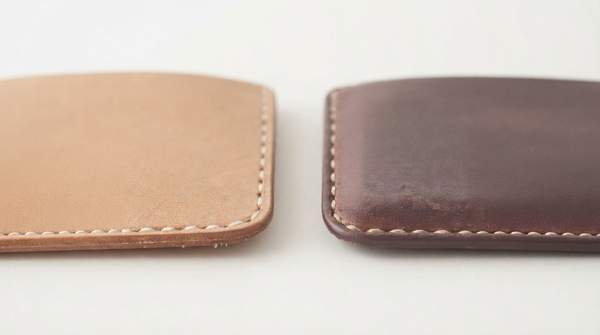
Leather develops a patina for a simple reason: the surface of the hide has to be able to change. Only the highest grades of leather — full-grain, and top-grain to a considerably lesser extent — retain enough of their natural surface to age visibly, and only certain tanning methods leave that surface open to oils, sunlight and handling. Vegetable-tanned leather, tanned with natural tannins from bark and left without synthetic coatings, darkens and enrichens with use. Chrome-tanned leather, which an estimated 90 percent of leather goods use, is impermeable and usually will not form a patina at all.
The Allure of Patina: A Mark of Time and Quality
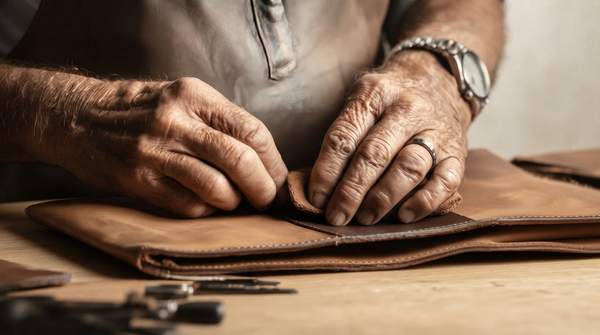
Patina is the desirable face of leather aging: richer color, a soft sheen where hands have worn the surface, natural variation and a gentle softening of the material. Unlike most purchases that simply degrade, fine leather is widely described by makers as improving and transforming with everyday use, building a character unique to its owner — complete with blemishes and scars as reminders of life's events. Collectors of heritage and vintage handbags can view patina as a plus on ultra-classic styles and natural leathers, according to guidance from Coach. The distinction matters because not every change in an aging leather good is patina; some of it is damage, and the difference is worth learning to read.
Why Some Leathers Patina, and Others Don't
Two variables decide a leather's patina potential: the grade of the hide and the tanning method. Leather goods specialists identify four main grades — full-grain, top-grain, corrected grain and genuine leather — but only the two highest grades will exhibit patina, and top-grain only to a considerably lesser extent. The tanning method then sets how open the surface remains. Vegetable tanning, a traditional technique dating back thousands of years, uses natural tannins that occur in bark. Chrome tanning, established in the 19th century, primarily uses chromium sulphate as its agent, and chrome-tanned leathers are always dyed and given heavier finish coatings. Those coatings inhibit the material's ability to breathe and slow or prevent the patination process.
Vegetable-Tanned Leather: The Patina Champion
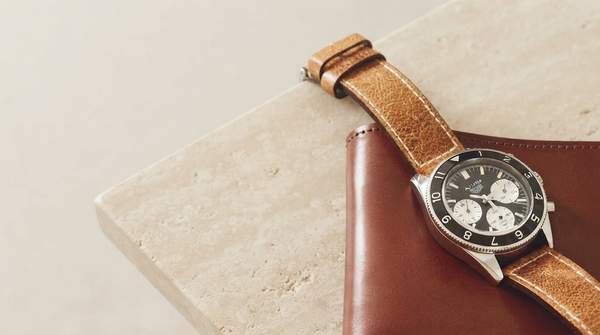
Vegetable-tanned leather is the standard-bearer for aging beautifully because of what it lacks: synthetic coatings. With no heavy finish sealing the surface, the hide stays permeable and continues interacting with the elements around it — the oils transferred by handling, dirt, moisture, sunlight and air. Natural "crust" leather that is not finished on the surface, or pure aniline-finished leather, especially when vegetable-tanned, develops the richest patina precisely because of this minimal treatment and the preservation of the natural fibers. Coach's leather guide likewise notes that vegetable-tanned leather, common in natural-toned trims and heritage styles, is well-known for developing patina that becomes even richer looking over time. Heavily treated leather, by contrast, develops a less noticeable patina.
Full-Grain Leather: The Foundation for Character
Full-grain leather is taken from the uppermost layer of the animal's hide, with the natural surface left intact rather than sanded, buffed or corrected. That intact grain is what allows the leather to age naturally: the surface can absorb oils, respond to friction and darken in the areas touched most. Corrected-grain leather, whose surface has been altered, typically shows a more subtle and uniform patina, while coated or high-shine leather resists oil absorption and surface change altogether, developing minimal patina. The practical implication for a buyer is straightforward — if the goal is a piece that records its own history, the grade of the hide matters as much as the tanning method.
Patina Potential: A Leather Selection Guide
The table below compares the common leather grades and tanning methods on the single dimension that matters for aging: whether the material's inherent properties enable or inhibit the surface changes we call patina.
| Leather Type | Tanning Method | Patina Potential | Key Aging Characteristics |
|---|---|---|---|
| Full-grain leather | Any | Highest of the grades; the natural surface is retained | Ages naturally; absorbs oils and darkens with handling |
| Top-grain leather | Any | Can develop a patina, but to a considerably lesser extent than full-grain | Surface has been lightly sanded or buffed; more uniform aging |
| Corrected-grain / coated leather | Any | These types generally do not form a rich patina | Surfaces are heavily processed or coated, inhibiting natural aging |
| Vegetable-tanned leather | Vegetable (bark tannins) | Rich patina; no synthetic coatings | Darkens and enrichens with oils, sunlight and use |
| Chrome-tanned leather | Chrome (chromium sulphate) | Usually will not form a patina | Impermeable; always dyed with heavier finish coatings |
Read together, the two dimensions form a decision framework: a piece needs both an intact, uncoated grain and a tanning method that leaves the surface open. Full-grain, vegetable-tanned leather sits at the top of both axes; chrome-tanned, heavily finished leather sits at the bottom of both.
Fostering a Healthy Patina: Care Practices
Developing a patina requires remarkably little intervention — the best approach is simply to use your leather goods. Frequent use speeds up patina formation, and the touching, handling and carrying of a piece transfers body oils, dirt and moisture that create a darker, richer hue in the areas touched most. Exposure to sunlight, moisture and air helps deepen the tone. If you would rather slow the process, leather specialists recommend doing the opposite: cleaning, conditioning and sealing the leather — though you won't get much use out of your goods that way. Galen Leather reports that changes from friction and normal use appear in a fairly short time, with noticeable darkening after six months and rich earthen tones smoothing after a year of regular exposure, though timelines vary widely with use.
Patina vs. Damage: Knowing the Difference
Patina and damage are not the same thing, and confusing them leads to poor decisions about maintenance and repair. Patina shows up as richer color, a soft sheen from handling, natural variation, surface character and gentle softening; scratches and scuffs blend into the overall character. Damage looks different: deep cracking, mold or mildew, torn seams, structural weakness, and excessive drying or brittleness. Damage occurs when leather is neglected, improperly stored, excessively dried out, or subjected to conditions beyond what the material can reasonably withstand. A scuff that melts into the leather's story is patina; a crack that splits the surface is a repair problem.
Embracing the Journey: Caring for Your Patina
To encourage a healthy patina, regularly use your leather goods and apply appropriate, gentle care, while actively distinguishing natural aging from signs of damage. That means letting full-grain, vegetable-tanned pieces live in your hands and pockets rather than in storage, and reserving cleaning and conditioning for moments when the leather genuinely needs it. The measurable indicator of success is visible on the surface itself: the leather develops a richer color and a soft sheen, with minor scuffs blending into its character, rather than showing cracks, dryness or peeling. When the latter appear, the piece has crossed from aging into deteriorating — and that boundary, not the calendar, is what should guide your next decision.
Sources
- What Is Leather Patina? Leather Develops Patina Over Time — Will Leather Goods
- Leather Patina – The Complete Guide to Leather Patina — Von Baer
- What Is 'Leather Patina'? — COACH
- What is Leather Patina? How Does It Form and How Long It Takes — Buyleatheronline
- Leather Patina – Everything You Need to Know — Galen Leather
- What Is Leather Patina? Learn Everything About Aged Leather — Carlfriedrik