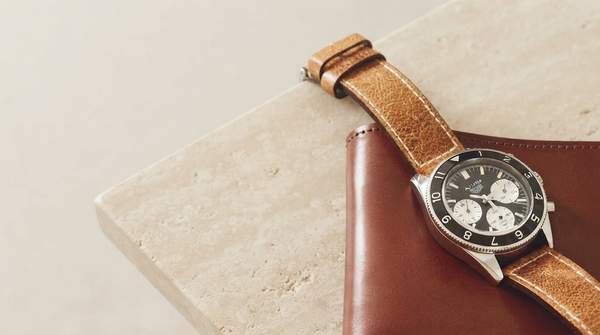
The best luxury watch strap material depends on where and how you wear your watch. For formal settings and traditional dress watches, leather remains the strongest choice, offering a warm, heritage-driven aesthetic that develops patina over time. For hot or humid climates, sports, and any activity involving water, vulcanized rubber is typically superior, thanks to total water resistance, sweat-proof comfort, and ease of cleaning. The decision, in other words, is not about which material is more luxurious—it is about which one matches your environment, your watch, and the way you want your strap to age.
Choosing Your Luxury Watch Strap: A Decision Framework
Start with three questions: What is the primary use case—formal wear, daily wear, or sports? What environment will the strap face—cool and dry, or hot and humid? And what do you want the strap to look like in five years? The answers point directly to a material, because the two dominant luxury strap philosophies fail in opposite conditions.
Leather performs best in cool, dry conditions and rewards rotation and rest between wears. Vulcanized rubber, by contrast, is engineered to shrug off exactly the conditions that damage leather: sweat, heat, water, and UV exposure. A nylon strap, while not a luxury category in the same sense, is worth knowing as a lightweight, moisture-tolerant option popular for military-style and sports watches. Many collectors ultimately settle on a two-strap approach—leather for formal settings, vulcanized rubber for daily wear, travel, and warm climates—with quick-release spring bars making the switch fast and low-risk.
Luxury Watch Strap Decision Framework
The matrix below maps the most common reader situations to a recommended material. Read down the left column to find your situation, then across to see why the recommendation holds and what trade-off you are accepting.
| Primary Use Case | Environment | Desired Aesthetic | Recommended Material | Key Trade-Off |
|---|---|---|---|---|
| Formal wear, dress watches | Cool, dry, climate-controlled | Warm, heritage-driven, patina over time | Traditional leather | Vulnerable to sweat, heat, and moisture; needs care and rotation |
| Daily office wear | Normal climate, low sweat | Understated elegance | Leather, rotated with rest days | Requires a cleaning and conditioning routine |
| Active daily wear, travel | Hot, humid, unpredictable | Modern, sporty, consistent | High-quality vulcanized rubber | No patina; less traditional in formal settings |
| Sports, diving, time underwater | Water, sweat, heat, UV | Performance-focused | Vulcanized rubber | None material-related; water rolls right off the material |
| Casual sports and military-style watches | Moisture-prone, lightweight needs | Cool, youthful, textured | Nylon | Not a formal option; different luxury register than leather or rubber |
One caution from the evidence: not all rubber is equal. Lower-grade silicone or inexpensive rubber blends attract dust and lint, stretch or deform with heat and sweat, and degrade faster under UV exposure. The resilience described here applies specifically to premium vulcanized rubber, which is created through a controlled curing process that stabilizes the material for long-term durability, shape retention, and resistance to heat and UV.