In 2020, views of YouTube videos featuring 'slow living' in their titles quadrupled compared to the previous year, according to Think with Google. The quadrupling of YouTube video views featuring 'slow living' in their titles points to a clear consumer desire for a more deliberate pace, profoundly impacting purchasing decisions in 2026. The concept of a slow living lifestyle, emphasizing mindfulness over acceleration, began to permeate digital spaces with unexpected force.
The digital world, often a driver of accelerated lifestyles, is paradoxically becoming the primary platform for consumers seeking to embrace a slower, more mindful way of living. The paradox of the digital world becoming the primary platform for consumers seeking a slower lifestyle reveals a crucial re-evaluation of how digital tools serve personal well-being.
Based on this rapid digital adoption and deep psychological motivations, companies that fail to integrate principles of quality, mindfulness, and personalization into their offerings appear likely to alienate a significant and growing segment of the consumer market.
The Digital Surge of Slow Living
- 4X — Views of YouTube videos containing "slow living" in their titles increased fourfold in 2020 compared to 2019, according to Think with Google.
This exponential growth on digital platforms, traditionally associated with accelerated content consumption, illustrates a paradox. Consumers are actively repurposing these spaces as tools for achieving mental well-being and a more mindful existence. The exponential growth of slow living content on digital platforms, and consumers repurposing these spaces for mental well-being, indicates that brands failing to integrate authentic, human-centric values into their digital presence are missing a critical opportunity to connect with consumers actively seeking a meaningful life.
Beyond the Hype: What 'Slow' Really Means to Consumers
| Core Principle | Consumer Expectation | Impact on Brands (2026) |
|---|---|---|
| Healthy Lifestyle | Prioritization of well-being and mindful choices. | Demand for transparent sourcing and ethical production. |
| Tasteful Aesthetic | Appreciation for thoughtful design and lasting value. | Shift from trend-driven to timeless, quality craftsmanship. |
| High Quality | Investment in durable, well-made products. | Rejection of fast-produced, disposable goods. |
| Human Touch | Desire for personalized service and authentic connections. | Need for bespoke experiences and genuine brand narratives. |
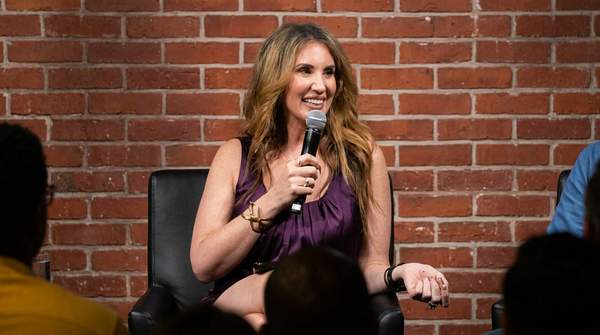
Consumer perceptions based on the 'slow living' lifestyle, according to Mintel's China Attitudes Towards Slow Living Market Report.
The framework of core principles, consumer expectations, and brand impact reveals that the essence of slow living, as perceived by consumers, is a holistic pursuit of well-being, quality, and authenticity that transcends mere aesthetics. Brands cannot superficially adopt 'slow' aesthetics; they must embody these values authentically to resonate with consumers seeking a more meaningful life.
The Deep-Seated Desire for Meaning and Calm
Many consumers actively seek a more meaningful life, aiming to avoid missing valuable experiences amidst the rapid pace of modern living, according to Mintel. The active pursuit of a more meaningful life by many consumers extends beyond mere leisure, reflecting a conscious effort to reclaim personal time and focus.
The expectation for mental calmness and regained concentration drives most consumers towards personalized slow living experiences. Generic, one-size-fits-all wellness offerings are becoming obsolete. The obsolescence of generic, one-size-fits-all wellness offerings signals a demand for tailored offerings rather than generic wellness solutions, as individuals seek specific paths to inner peace and clarity.
The desire for meaning, calmness, and personalized slow living experiences is a direct response to the perceived stresses and superficiality of modern life, offering a promise of deeper satisfaction and mental restoration. Companies that continue to prioritize speed and efficiency over the 'high quality and human touch' consumers associate with slow living risk alienating a rapidly growing segment that is actively using digital tools to curate a more mindful, less hurried existence.
New Demands on Brands and Businesses
The shift towards slow living creates new demands across diverse sectors. Brands in retail, hospitality, wellness, and even technology face pressure to adapt their offerings. Consumers are now evaluating products and services based on their contribution to a mindful, quality-focused existence, rather than solely on convenience or price.
For retailers, this means a pivot from fast fashion and disposable goods towards durable, ethically sourced items. The hospitality sector must move beyond quick turnarounds to offer immersive, restorative experiences that foster genuine connection. Technology companies, often seen as drivers of acceleration, now have an opportunity to develop tools that genuinely support mental well-being and concentration, moving beyond mere efficiency gains.
These industries must invest in tailored digital and physical experiences that genuinely reflect individual needs and a 'human touch.' Generic wellness offerings, for example, will likely find diminishing returns as consumers seek bespoke solutions for mental calmness.
Navigating the Slow Economy: Opportunities and Pitfalls
Brands must authentically integrate human-centric values into their digital presence.
- The 'slow living' movement experienced exponential growth and amplification on digital platforms like YouTube, where views quadrupled in 2020, according to Think with Google.
The exponential growth and amplification of the 'slow living' movement on digital platforms means companies that fail to integrate authentic, human-centric values into their online interactions are missing a critical opportunity. Consumers are actively using these platforms to curate a more mindful existence, expecting brands to reflect these values in their digital engagement, from content to customer service.
Generic wellness offerings are becoming obsolete; brands must invest in tailored experiences.
- Most consumers expect to achieve mental calmness and regain concentration through personalized slow living experiences, according to Mintel.
The consumer expectation for 'personalized slow living experiences' suggests that generic, one-size-fits-all wellness offerings are no longer sufficient. Brands must invest in tailored digital and physical experiences that genuinely reflect individual needs and a 'human touch', moving beyond superficial wellness trends to offer deeper, customized value.
Companies prioritizing speed and efficiency risk alienating a growing segment.
- Consumers perceive slow living as a healthy, tasteful lifestyle with high quality and a human touch, according to Mintel.
The consumer perception of slow living as a healthy, tasteful lifestyle with high quality and a human touch means that companies continuing to prioritize speed and efficiency over these values risk alienating a rapidly growing market segment. Brands that can authentically integrate principles of sustainability, craftsmanship, and personalized well-being will find significant growth, while those clinging to fast-fashion or disposable models may struggle by 2026.
Embracing the Mindful Marketplace
- Views of 'slow living' videos on YouTube quadrupled in 2020, demonstrating digital platforms are now key for mindful consumer engagement.
- The demand for personalized slow living experiences drives most consumers seeking mental calmness and concentration.
- Consumers associate slow living with a healthy, tasteful lifestyle, emphasizing high quality and a human touch.
- Brands failing to integrate authentic, human-centric values risk missing opportunities with a segment actively curating a mindful existence.
The slow living movement is not a niche fad but a fundamental reorientation of consumer values, demanding a strategic pivot towards authenticity, quality, and mental well-being from all market players. By Q3 2026, brands like IKEA, known for accessibility, may need to further expand their "mindful home" collections, focusing on durable, ethically sourced products and personalized design services, or risk falling behind competitors that have more deeply embraced the 'human touch' aspect of this trend.