Food

What Is the Nose-to-Tail Philosophy? A Guide to Modern Cuisine's Most Ethical Trend

The nose-to-tail philosophy in modern cuisine is more than a fleeting trend; it is a quiet revolution on the plate, challenging us to reconsider not just what we eat, but how we think about the journey from farm to fork. This return to whole-animal cooking resonates with our growing desire for sustainability and a more ethical approach to consumption.

CR
Camille Rousseau

April 8, 2026 · 9 min read

A chef's hands meticulously preparing diverse cuts of meat from a whole animal in a warm, rustic kitchen, symbolizing the nose-to-tail philosophy and sustainable cooking practices.

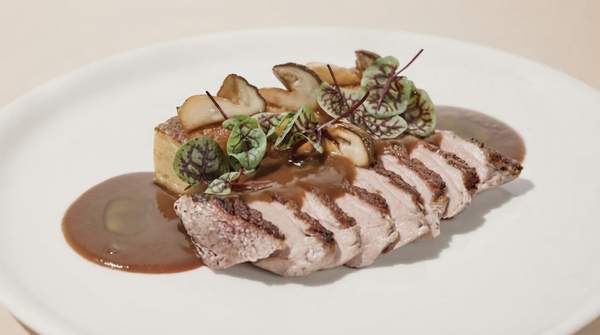
A dish arrives, a study in composition and color, but the cut of meat at its center is not the familiar filet or ribeye. It is something deeper, more complex, a cut that speaks of the whole animal. The nose-to-tail philosophy in modern cuisine is more than a fleeting trend; it is a quiet revolution on the plate, challenging us to reconsider not just what we eat, but how we think about the journey from farm to fork. The aroma alone tells a story of respect, resourcefulness, and a profound culinary heritage that had, for a time, been forgotten.

This return to whole-animal cooking has found a unique place in our contemporary culture. It is a philosophy that resonates with our growing desire for sustainability and a more ethical approach to consumption. Yet, it presents a fascinating paradox. Today, nourishing and flavorful parts of the animal like offal and fat are simultaneously available as inexpensive, nutrient-dense staples and as celebrated, high-cost dishes in the world's most acclaimed restaurants. According to one report from the Weston A. Price Foundation, these once-humble ingredients can be found in dishes costing upwards of $100. This duality makes the nose-to-tail movement not just a culinary curiosity, but a significant cultural touchstone worth exploring.

What Is the Nose-to-Tail Philosophy?

The nose-to-tail philosophy is a culinary and ethical approach that involves using the entire animal for food, from its snout to its tail, to minimize waste and honor its life. It stands in direct opposition to the modern practice of selectively butchering and consuming only the "noble" or prime cuts, such as loins and tenderloins, while discarding the rest. Think of it as a sculptor using the entire block of marble, finding purpose and beauty in every vein and fissure, rather than carving out a small figure and discarding the magnificent remainder. Taste, in this context, is not merely sensation; it is a narrative of completeness.

This holistic approach is built on a foundation of core principles that guide chefs and home cooks alike. While its application can vary, the philosophy generally encompasses several key ideas:

  • Complete Utilization: The central tenet is to use every possible part of the animal. This includes not only the primary muscle cuts but also the organ meats (offal), bones, fat, skin, and blood. Bones are simmered for broths and stocks, fat is rendered for cooking, and organs are transformed into pâtés, terrines, or standalone dishes.
  • Waste Minimization: By finding a culinary use for the entire animal, the philosophy directly addresses the significant issue of food waste within the meat industry. It reframes parts once considered byproducts as valuable ingredients, contributing to a more sustainable food system.
  • Ethical Respect: Proponents of the movement argue that if an animal's life is to be taken for food, there is a moral obligation to use it completely. As chef Fergus Henderson, a pioneer of the modern movement, famously put it, "If you’re going to kill the animal it seems only polite to use the whole thing." This principle transforms the act of cooking into one of reverence.
  • Culinary Exploration: The philosophy encourages immense creativity in the kitchen. It pushes chefs to move beyond the familiar and explore a vast range of textures and flavors. This rediscovery of forgotten cuts and preparations expands the gastronomic landscape, offering diners new and exciting sensory experiences.
What Are the Historical Origins of Nose-to-Tail Cooking?

While it may feel like a modern innovation, the practice of nose-to-tail eating is as old as humanity itself. For our ancestors, and in traditional cultures across the globe, utilizing the entire animal was not a philosophy but a simple necessity. When a hunt was successful or an animal was slaughtered, nothing could be afforded to go to waste. Every part provided vital sustenance, from nutrient-rich organs to marrow-filled bones. This was the default mode of consumption, born from practicality and an intrinsic respect for the resources provided by nature.

The shift away from this holistic practice in the Western world can be traced back to the industrialization of the food system. According to analysis by the Weston A. Price Foundation, the development of transatlantic railways and industrial refrigeration after the American Civil War fundamentally changed how meat was processed and distributed. Butchering became centralized, and it was far more efficient and profitable to ship only the most desirable and durable prime cuts over long distances. Organs, with their shorter shelf life, were often left behind, gradually being erased from the mainstream culinary consciousness. What was once a vital source of nutrition became a logistical problem.

This industrial shift was compounded by a cultural one. The same report notes that as immigrant populations assimilated into American society, they began to aspire to the dietary habits of more affluent families, who favored expensive muscle cuts. The traditional, whole-animal dishes of their heritage came to be viewed as "poor people's food," a stigma that further distanced generations from offal and other less common parts. Within a few decades, a deep-seated tradition of resourceful eating was largely replaced by a sanitized, shrink-wrapped ideal of meat consumption.

The modern revival of the nose-to-tail philosophy in modern cuisine is widely attributed to the British chef Fergus Henderson. His seminal 1999 cookbook, The Whole Beast: Nose to Tail Eating, served as a manifesto for a new generation of chefs. Henderson didn't invent the concept, but he re-contextualized it for the world of fine dining, celebrating the robust, honest flavors of offal and forgotten cuts with elegance and wit. His work at his London restaurant, St. John, demonstrated that a dish of roasted bone marrow or deviled kidneys could be as refined and desirable as any prime steak, sparking a global movement that continues to influence restaurant kitchens today.

How Do Chefs Apply Nose-to-Tail in Modern Cuisine?

The nose-to-tail philosophy, now a hallmark of fine dining, transforms tough cuts and organ meats into innovative dishes. Chefs utilize the whole animal as a palette of diverse ingredients, reintroducing textures and flavors long absent from conventional menus.

Tougher cuts of meat, such as oxtail, beef cheek, pork belly, and lamb shank, are rich in connective tissue and fat. While once overlooked in favor of more tender options, these cuts are now prized by chefs for the incredible depth they offer. As noted by the culinary blog The Gourmet Glutton, the secret lies in technique. Low and slow cooking methods like braising, stewing, or confit break down the tough collagen, transforming it into gelatin. This process results in an unctuous, meltingly tender texture and a complex, deeply savory flavor that cannot be achieved with leaner cuts. A braised beef cheek, for example, offers a luscious mouthfeel and a richness that stands as a testament to the rewards of patient cooking.

Perhaps the most emblematic aspect of the movement is the reintroduction of offal, or organ meats. Once relegated to rustic fare, offal is now a fixture in top-tier restaurants, celebrated for its bold flavors and nutritional value. Organ meats are confirmed to be powerhouses of essential nutrients, including iron, zinc, and a spectrum of B vitamins. Chefs are skillfully reintroducing these ingredients to diners in approachable and sophisticated ways. Liver is whipped into delicate pâtés and mousses, kidneys are seared and served with piquant sauces, and even blood is used to create rich sausages and puddings. Some organ meats, like foie gras (duck or goose liver) and sweetbreads (the thymus or pancreas gland), have long held gourmet status and continue to be featured as luxurious delicacies.

This philosophy is not just an abstract ideal; it is being practiced with celebrated results. For instance, Lord's, a restaurant in New York's Greenwich Village, has earned a mention in the prestigious Michelin Guide for its contemporary British cuisine. According to a review in Fine Dining Lovers, the restaurant fully embraces a nose-to-tail philosophy, showcasing underutilized cuts to bring remarkable depth and sustainability to its menu. This recognition demonstrates that a commitment to whole-animal cooking is not only ethical but can also be a path to critical culinary acclaim.

Why the Nose-to-Tail Philosophy Matters Today

Beyond the kitchen, the nose-to-tail philosophy addresses ethics, environmental responsibility, and culinary culture. It offers a tangible response to the disconnect from food prevalent in industrial agriculture, encouraging a conscious relationship with what we eat by valuing an animal's life fully, not just as products.

The nose-to-tail movement is an ethical statement: it honors an animal's life through complete use, challenging the wastefulness of systems that prize only select cuts. This holistic approach also maximizes food resources, which, as some commentators suggest, helps reduce the environmental footprint of meat production.

Economically, the philosophy presents a compelling model. By creating value from parts that were once discarded, it offers a more financially sustainable framework for farmers and butchers. For consumers, it provides a spectrum of options. As noted by the Austrian meat purveyor Fitmeat, nose-to-tail offers a relatively inexpensive alternative to noble cuts, making nutrient-dense animal protein more accessible. This creates the unique cultural dynamic where offal is both an affordable staple and a luxury good, bridging socioeconomic divides on the dinner plate.

Nose-to-tail eating enriches culinary diversity, inviting discovery of flavors and textures overlooked for generations, according to American Ostrich Farms. It pushes gastronomy's boundaries, encouraging adventure in chefs and diners, and reminds us that taste is a narrative, creating a richer, more sustainable, and delicious future.

Frequently Asked Questions

Is nose-to-tail eating healthy?

Yes, many parts of the animal utilized in nose-to-tail eating are exceptionally nutritious. Organ meats, or offal, are particularly dense in essential nutrients like iron, zinc, and B vitamins, while bone broth provides collagen and amino acids. However, because organs like the liver are so high in certain minerals and vitamins, some health sources, including Fitmeat, advise that pregnant women and individuals who already consume a high amount of minerals should eat them in moderation.

Who invented the nose-to-tail philosophy?

The philosophy is not a modern invention but an ancient practice born of necessity in cultures all over the world. For millennia, using the entire animal was standard practice. However, the modern revival and popularization of the term "nose-to-tail" are widely credited to British chef Fergus Henderson, whose 1999 book, The Whole Beast: Nose to Tail Eating, inspired a new generation of chefs to adopt the practice in fine dining.

What are some examples of nose-to-tail dishes?

Nose-to-tail cooking features dishes like slow-braised oxtail or beef cheeks, pâté or terrines from liver, crispy fried pig's ears, roasted bone marrow with toast, grilled heart skewers, and rich kidney stews. Bones also yield deeply flavorful broths and stocks, forming the base of countless recipes.

Why did people stop eating organ meats?

The decline of organ meat consumption in many Western cultures stems from historical factors: industrial food systems, including long-distance railways and early refrigeration, made transporting durable prime cuts more practical. This, coupled with offal's perception as 'poor people's food,' led to its disappearance from mainstream diets and butcher shops, according to research from sources like the Weston A. Price Foundation.

The Bottom Line

The nose-to-tail philosophy reimagines traditional wisdom for the modern diner, championing animal respect and sustainability by minimizing waste. This culinary movement unlocks deep, forgotten flavors, inviting us to reconsider our relationship with food and become more mindful, adventurous eaters.