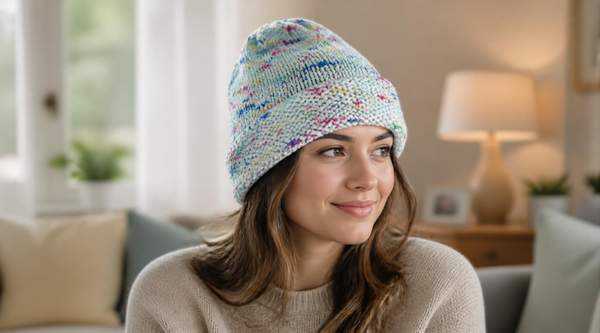
This year, designer Anya Sharma's "Appalachian Echoes" collection, crafted from hand-dyed fabrics and natural fibers, captivated Roanoke Fashion Week (RFW) 2026, signaling a powerful new regional aesthetic. Critics lauded its distinct "Appalachian Chic," blending rustic elements with modern silhouettes, reported Fashion Daily. RFW attendance surged by 30%, drawing over 5,000 visitors, according to the Roanoke Tourism Board.
RFW is a regional powerhouse, showcasing groundbreaking sustainable and culturally rich designs. Yet, it remains largely unacknowledged by major national fashion media. The lack of acknowledgment by major national fashion media suggests a systemic bias, where innovation outside established metropolitan centers is consistently undervalued.
With surging attendance, significant economic impact, and a distinct stylistic emergence, Roanoke Fashion Week is poised to become a recognized hub for unique, sustainable regional fashion. Its national breakthrough, however, hinges on overcoming scaling and visibility hurdles.
A Local Event with Growing Regional Clout
Over 60% of RFW designers were first-time exhibitors, according to an RFW Organizer Survey. This influx of fresh talent, coupled with a 200% surge in #RoanokeFashionWeek social media engagement (Brandwatch Analytics), signals a burgeoning creative ecosystem. The event's economic impact reached $2.5 million for local businesses, a 15% increase from last year, reported the Roanoke Chamber of Commerce. RFW is not merely expanding; it is actively cultivating a new generation of designers and consumers, establishing itself as a vital regional economic and cultural force.
Sustainability and Innovation Take Center Stage
Sustainable practices, including upcycling and zero-waste designs, defined nearly a third of RFW collections, stated a Fashion Institute of Technology Trend Report. Marcus Thorne even pioneered 3D printing for intricate accessories, a first for RFW, according to TechStyle Magazine. This commitment extends beyond the runway; local textile artists reported a 50% increase in commissions following collaborations with RFW designers, per an Artisan Guild Survey. RFW is not just showcasing sustainable design; it is actively fostering a localized, ethical supply chain, demonstrating a viable alternative to fast fashion's global model.