The average person spends 90% of their life indoors, according to a report from the U.S. Environmental Protection Agency. This single fact highlights a profound disconnect in modern life: as our environments have become more structured and enclosed, our innate connection to the natural world has become more tenuous. The principles of biophilic design offer a thoughtful response to this separation. It is an approach that seeks to re-establish the human-nature bond within the very spaces where we live, work, and rest, proposing that our buildings can do more than shelter us—they can also nurture us.
In an increasingly urbanized world, the need for spaces that support well-being is more critical than ever. Biophilic design moves beyond mere aesthetics, treating the integration of nature not as a decorative afterthought but as a fundamental component of functional, human-centric design. The philosophy is grounded in the concept of "biophilia," a term popularized by the biologist Edward O. Wilson to describe humanity's inherent tendency to seek connections with nature and other forms of life. It suggests that our well-being is intrinsically linked to the environments we inhabit, making a compelling case for why our homes and offices should reflect the world from which we evolved.
What Are the Core Principles of Biophilic Design?
Biophilic design is the practice of creating a closer connection to nature through the ways we design our built environments. Its origins can be traced to the term "biophilia," first used by social psychologist Erich Fromm in 1964 to mean “the passionate love of life and of all that is alive.” The concept suggests that this connection is not learned but is an intrinsic part of our biology. Biophilic design, therefore, is not a style but a design philosophy that translates this idea into practical, tangible strategies for our interior spaces. It operates on the understanding that form follows function, but feeling is equally important.
While the application can vary widely, the approach is guided by a set of core principles aimed at creating a multisensory experience of nature. According to an analysis from Rocky Mountain College of Art + Design, these strategies go beyond simply adding a potted plant to a corner. They involve a more holistic integration of natural systems and processes. The fundamental components include:
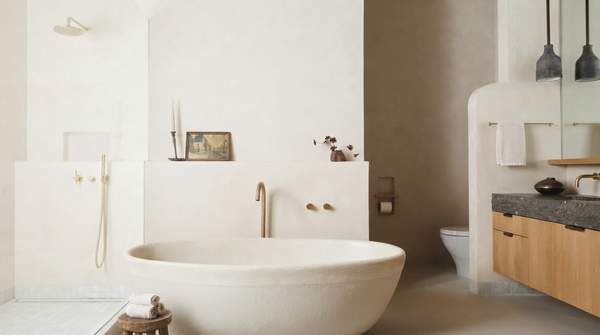
- Natural Light: Maximizing exposure to daylight is a cornerstone of biophilic design. This can be achieved through large windows, skylights, and open floor plans that allow light to penetrate deep into a space. The goal is to create dynamic and changing light conditions that mimic the natural patterns of the sun throughout the day.
- Natural Materials: The use of materials like wood, stone, bamboo, and natural fibers connects a space to the outside world. These materials offer visual and tactile textures that are often absent in highly processed, synthetic environments. Their imperfections and organic qualities speak to a more authentic and grounded aesthetic.
- Plant Life: The most direct way to incorporate nature is through the presence of living plants. This can range from strategically placed houseplants to more complex installations like indoor gardens or living walls. Plants improve air quality, introduce natural color, and serve as a constant, living presence within a room.
- Water Features: The sound, sight, and feel of water can be deeply restorative. Biophilic design incorporates this element through features like small fountains, water walls, or reflecting pools. The presence of water can have a calming effect, reduce stress, and provide a focal point for contemplation.
- Visual Connection with Nature: This principle emphasizes a direct line of sight to natural elements. A window with a view of a garden, a park, or even a single tree can significantly enhance the experience of a space. It’s about framing the natural world and making it an integral part of the interior landscape.
- Balancing Prospect and Refuge: This concept addresses our evolutionary need for both open, expansive views (prospect) and safe, enclosed spaces (refuge). A well-designed interior might feature an open living area with large windows overlooking a landscape, complemented by a cozy, secluded nook for reading or rest.
How Does Biophilic Design Enhance Well-being in Interior Spaces?
The integration of natural elements into our homes and workplaces delivers measurable psychological and physical benefits. This is where the philosophy of biophilic design proves its value, moving from an abstract concept to a practical tool for improving quality of life. The evidence suggests that by satisfying our innate need to connect with nature, we can create environments that actively support our health. Research has shown that these spaces can reduce stress, improve cognitive function and creativity, and contribute to a greater sense of overall well-being.
The psychological impact is perhaps the most significant. Exposure to natural elements, even indirect ones, can lower cortisol levels, the body's primary stress hormone. The presence of plants, the gentle sound of water, or a view of green space can provide a calming effect, offering a respite from the constant stimulation of modern urban life. As noted by experts at Design Hotels, biophilic spaces can expedite healing and improve focus. This is particularly relevant in the design of home offices, where enhanced cognitive function and creativity can lead to greater productivity and satisfaction.
Physically, the benefits are just as compelling. Studies have indicated that incorporating houseplants can help reduce blood pressure and that access to natural light helps regulate our circadian rhythms, leading to better sleep patterns and improved mood. The materials themselves also play a role. Natural materials like wood and stone do not off-gas volatile organic compounds (VOCs) in the same way that many synthetic materials do, contributing to healthier indoor air quality. The object speaks for itself; a solid wood table feels fundamentally different from a plastic one, and that difference resonates with us on a subconscious level.
Practical Ways to Integrate Natural Elements Into Your Home
Adopting the principles of biophilic design does not necessarily require a complete architectural overhaul. The approach is scalable and can be adapted to any space, from a large, custom-built house to a small city apartment. The key is to be intentional with design choices, focusing on creating moments of connection with the natural world. This can begin with simple additions and evolve into more integrated solutions over time.
For those starting small, introducing plant life is the most accessible entry point. A collection of potted plants on a windowsill, a trailing vine on a bookshelf, or a small herb garden in the kitchen can instantly enliven a space. Complementing this with natural materials is another effective strategy. Consider swapping synthetic textiles for those made of cotton, linen, or wool. A wooden cutting board, a stone serving platter, or ceramic vases can introduce natural textures into daily routines. A color palette inspired by nature—rich greens, earthy browns, and calming blues—can also evoke a sense of the outdoors.
For larger projects or renovations, the integration can be more profound. This might involve installing larger windows, creating an indoor-outdoor living area, or using natural materials for flooring and countertops. An interesting example of innovation in this area comes from companies creating sustainable alternatives. According to Modern Mill, materials like ACRE, a wood substitute made from upcycled rice hulls in a zero-waste facility, allow for the aesthetic of wood to be used in biophilic projects without depleting natural forests. At the highest end, projects like the "Return to Simplicity" home in Paradise Valley, as featured in Iconic Life, show a complete commitment to the philosophy, with wellness-driven architecture and natural materials that honor the surrounding desert landscape.
Why Biophilic Design Matters
Biophilic design transforms homes into sanctuaries, restoring energy, calming minds, and reconnecting individuals. This approach directly addresses the profound psychological and physiological effects of our environments. Far from a fleeting trend, it is a timeless and necessary response to the conditions of modern life, consciously integrating nature to create more than just beautiful rooms.
As urbanization diminishes daily connection with nature, biophilic design reclaims it by weaving the patterns and forms of the natural world into our daily lives. This approach ensures good design serves our needs, supports our health, and elevates our experience. By bringing the outside in, we create spaces that feel less like containers and more like habitats, allowing us to not only live in our homes but to thrive.
Frequently Asked Questions
Is biophilic design just about adding plants to a room?
No, it is a much more holistic approach. While plants are an important component, true biophilic design also incorporates natural light, water features, natural materials like wood and stone, and even spatial configurations that mimic natural landscapes, such as providing both open views and sheltered areas.
Can biophilic design be applied to small apartments?
Absolutely. Biophilic principles are scalable and can be adapted to any size of space. In a small apartment, this might mean maximizing natural light with sheer curtains, using a nature-inspired color palette, incorporating small plants or a vertical garden, and choosing furniture and decor made from natural materials and textures.
What is the difference between biophilic design and sustainable design?
The two concepts often overlap but have different primary goals. Sustainable design focuses on minimizing environmental impact through energy efficiency, responsible material sourcing, and reduced waste. Biophilic design focuses on enhancing human health and well-being by connecting people to nature within the built environment. A project can be both, using sustainably sourced natural materials to improve occupant well-being.
How much does biophilic design cost?
The cost can vary significantly depending on the scale of implementation. It can be very affordable, starting with simple additions like houseplants, natural-fiber textiles, or opening windows to allow for natural air and sound. Larger investments would include architectural changes like installing bigger windows, building a living wall, or incorporating natural stone flooring.
The Bottom Line
Biophilic design thoughtfully integrates natural elements, patterns, and processes into our built environments. This philosophy directly responds to our innate human need for a connection to nature, creating spaces that are not only aesthetically pleasing but also restorative. By embracing these principles, homes become habitats that actively support mental and physical well-being.