What are sustainable interior design principles and practices?

Recent research from RMCAD reveals that the lifetime interior design of a building can generate more carbon emissions than its initial construction, challenging conventional wisdom about environmental

LB
Luca Bianchi

June 17, 2026 · 6 min read

A bright and airy sustainable living room with reclaimed wood furniture, natural textiles, and abundant indoor plants, showcasing eco-friendly interior design.

Recent research from RMCAD reveals that the lifetime interior design of a building can generate more carbon emissions than its initial construction, challenging conventional wisdom about environmental impact. The finding that lifetime interior design can generate more carbon emissions than initial construction reveals a significant oversight in how environmental impact is typically assessed, shifting focus from a building's initial structure to its evolving internal spaces. The cumulative effect of interior design choices, often overlooked, represents a substantial and largely unaddressed environmental burden over a building's lifespan, particularly concerning sustainable interior design principles. We often focus on the environmental impact of building construction, but the cumulative effect of interior design choices over a building's lifespan can be even more carbon-intensive. Companies and consumers who overlook sustainable interior design principles are inadvertently contributing to a larger environmental burden, making a shift towards responsible design an urgent necessity for mitigating climate impact.

Based on RMCAD's recent research, which reveals lifetime interior design can generate more carbon emissions than initial construction, current 'green building' certifications that primarily focus on construction are dangerously incomplete, offering a false sense of environmental achievement. These certifications often fail to account for the continuous cycle of renovation, furnishing, and material replacement that defines a building's interior life. This narrow focus can lead to a miscalculation of true environmental performance, creating a gap between perceived and actual sustainability.

The prevailing emphasis on a building's initial 'green' construction, while valuable, obscures the ongoing environmental toll exacted by interior design practices. This oversight means that even structures lauded for their sustainable build might still contribute disproportionately to carbon emissions through their interior components over decades. A comprehensive approach must integrate interior design into sustainability metrics to accurately reflect a building's total environmental footprint.

Beyond Aesthetics: Defining Sustainable Interior Design

Sustainable interior design extends beyond mere visual appeal, acting as a mandatory framework for all design, not a separate branch, according to Annabode. This approach demands a holistic evaluation of environmental responsibility, social fairness, and long-term value across all design decisions. It challenges the perception of sustainable design as a niche aesthetic, instead positioning it as an essential methodology for every project.
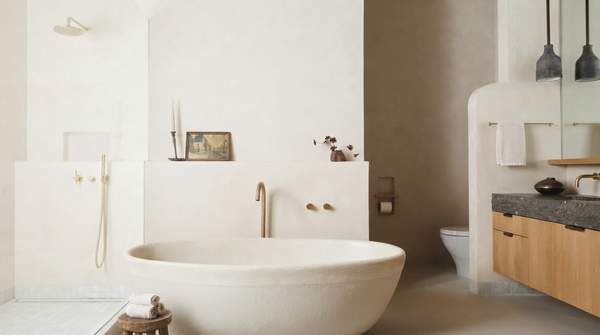

Materials chosen for sustainable interior design are selected for their minimal negative impact on the planet and positive effect on people, according to Joeyzshopping. These materials are evaluated based on environmental responsibility, social fairness, and long-term value, encompassing their entire lifecycle from sourcing to disposal. This rigorous assessment ensures that design choices contribute positively to both ecological health and human well-being, moving beyond surface-level greenwashing.

The collective evidence from RMCAD, Joeyzshopping, and Considerate-Consumer suggests that sustainable interior design must evolve from a niche aesthetic to a mandatory, integrated framework for all design, integrating material science with responsible consumption to truly mitigate environmental damage. This shift requires designers and consumers alike to consider the full implications of their choices. It moves the conversation beyond simply choosing 'green' products to understanding the broader impact of design decisions on resource depletion, waste generation, and social equity.

Building Green: Key Materials and Practices

Utilizing readily available, repurposed, or rapidly renewable materials forms the practical backbone of environmentally conscious interior design. Bamboo, for instance, stands out as a strong, durable, and renewable resource suitable for furniture and decor, according to RMCAD. Its rapid growth rate and minimal need for pesticides make it an appealing alternative to slower-growing hardwoods.

Reclaimed wood, sourced from old buildings, is another popular material for furniture and decor, as noted by RMCAD. This practice diverts valuable timber from landfills, reducing demand for new logging and preserving existing forests. The character and history embedded in reclaimed wood also add a unique aesthetic dimension to interiors.

Recycled glass offers an ideal material for decor, countertops, and accent pieces, according to RMCAD. Repurposing glass reduces the energy required for manufacturing new glass and minimizes landfill waste. Material selection, such as bamboo, reclaimed wood, and recycled glass, directly contributes to a building's overall environmental profile, offering tangible ways to reduce carbon footprint and resource consumption.

By incorporating materials such as bamboo, reclaimed wood, and recycled glass, designers can create spaces that are not only aesthetically pleasing but also significantly reduce environmental impact. These choices demonstrate a commitment to circular economy principles, where resources are kept in use for as long as possible. This approach extends the lifespan of materials and minimizes the need for virgin resources, contributing to a more sustainable built environment.

While the selection of specific sustainable materials is critical, the broader context of acquisition and disposal also dictates true environmental impact. RMCAD and Joeyzshopping emphasize the inherent properties of materials like bamboo and reclaimed wood for their sustainability. However, even these materials can contribute to environmental harm if not acquired and disposed of responsibly, broadening the scope of what 'sustainable' truly means.

The environmental benefits of a material can be diminished by unsustainable logistics or consumption patterns. For instance, an eco-friendly material sourced from across the globe might incur a substantial carbon footprint during transportation. This broader perspective necessitates a re-evaluation of current sustainability metrics, which often focus exclusively on material composition rather than the entire supply chain and end-of-life considerations.

The implication is that a truly sustainable approach integrates material science with responsible consumption. It moves beyond simply identifying 'green' products to actively promoting local sourcing, second-hand markets, and durable design that minimizes frequent replacement. This expanded definition of sustainability ensures that efforts to reduce environmental harm are comprehensive, addressing both product characteristics and consumer behavior.

The Hidden Carbon Cost: Why Your Choices Matter

Recent research indicates that the lifetime interior design of a building may generate more carbon emissions than its construction, according to RMCAD. This finding shifts the focus from initial build to the ongoing impact of furniture, decor, and material changes. The finding that lifetime interior design may generate more carbon emissions than construction underscores the critical need for consumers to make environmentally responsible choices throughout a building's operational life.

Beyond material selection, individual consumer choices significantly impact the carbon footprint of interior design. Shopping locally reduces carbon emissions, air pollution, and traffic, according to Considerate-Consumer. This practice supports local economies and minimizes the environmental costs associated with long-distance transportation of goods.

Furthermore, utilizing second-hand shops stops the massive accumulation of waste, as highlighted by Considerate-Consumer. Opting for pre-owned items extends product lifespans, reduces demand for new manufacturing, and keeps materials out of landfills. These choices, often overlooked in broader sustainable design discussions, are potent strategies for waste reduction and emissions mitigation.

As Considerate-Consumer points out, the power of individual choice in opting for second-hand or locally sourced items is a largely untapped resource in the fight against interior design's massive carbon footprint, shifting responsibility beyond manufacturers to everyday consumers. Recognizing that interior design's carbon footprint can exceed construction's, coupled with the benefits of local and second-hand shopping, underscores the critical need for consumers to make environmentally responsible choices. Combining sustainable material selection with conscientious consumption habits is the most effective path toward mitigating environmental damage from interior spaces.

What are the benefits of sustainable interior design?

Sustainable interior design offers several tangible benefits beyond environmental protection, including improved indoor air quality. By prioritizing low-VOC (Volatile Organic Compound) materials and natural ventilation, these designs can reduce exposure to harmful chemicals, contributing to better respiratory health for occupants. This approach also often leads to increased energy efficiency through thoughtful material choices and passive design strategies.

How can I make my home more eco-friendly?

To make your home more eco-friendly, consider investing in energy-efficient appliances and materials, and reducing waste. appliances and smart home technologies, which can significantly reduce electricity consumption. Additionally, incorporating natural light and ventilation can lessen reliance on artificial lighting and air conditioning, further lowering your home's environmental impact. These steps complement sustainable material choices and responsible consumption habits.

What materials are used in sustainable interior design?

Sustainable interior design commonly utilizes materials such as recycled content, rapidly renewable resources like cork or linen, and salvaged items. For example, recycled plastic can be transformed into durable textiles or furniture components, demonstrating a circular economy approach. These materials are chosen for their low embodied energy and ability to be reused or composted at the end of their life cycle.

By 2026, major design firms like Gensler and Perkins&Will are projected to significantly increase their adoption of comprehensive sustainable interior design practices, moving beyond mere material specifications to integrate responsible sourcing and lifecycle assessments across 70% of their projects. This shift will set a new industry benchmark, holding fast furniture companies accountable for their carbon footprint and pushing for greater transparency in material provenance and manufacturing processes.