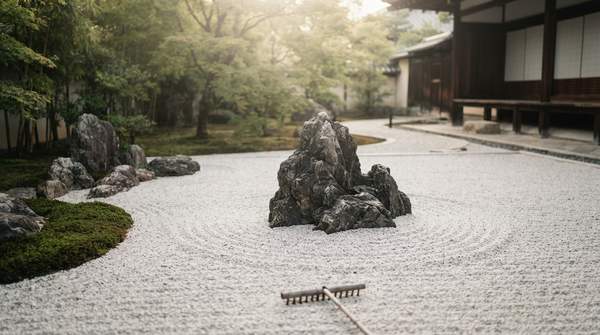
What are sustainable materials and practices in interior design?

Thanks to roof-mounted solar panels and efficient design, one Southampton home pays CAD 0.

LB
Luca Bianchi

May 15, 2026 · 4 min read

A bright, airy living room featuring sustainable furniture, abundant natural light, and indoor plants, embodying eco-friendly interior design principles.

Thanks to roof-mounted solar panels and efficient design, one Southampton home pays CAD 0.00 annually for electricity, according to cmigroupinc. Thoughtful engineering can eliminate a significant household expense, offering homeowners complete energy independence. The CAD 0.00 annual electricity cost proves the tangible financial benefits of advanced design.

Many believe sustainable interior design is an expensive luxury, requiring specialized materials and complex installations. The perception that sustainable interior design is an expensive luxury often obscures its potential to eliminate utility bills and leverage readily available, cost-effective resources. The tension between perceived cost and actual long-term savings hinders wider adoption.

As awareness grows and material innovations continue, sustainable interior design is poised to become the standard rather than the exception. The shift towards sustainable interior design, driven by ecological necessity and economic advantage, fundamentally alters the long-term cost of living for homeowners.

Beyond Aesthetics: Defining Sustainable Interior Design

Sustainable interior design prioritizes environmental responsibility and human well-being through careful material selection and resource management. It integrates principles that reduce ecological impact while enhancing indoor environments. Sustainable interior design considers the entire lifecycle of components, moving beyond purely visual appeal.

For instance, bamboo stands as a strong, durable, and rapidly renewable resource, suitable for various furniture and decor applications in interior design, according to rmcad. Similarly, reclaimed wood, sourced from old buildings, finds new life when repurposed into furniture and decorative items. Recycled glass, created from old jars and bottles, offers an ideal material for decor, countertops, and accent pieces, also noted by rmcad. These examples show the diverse, accessible, and aesthetically pleasing materials forming sustainable interior design's foundation.

The FP 10 House: A Blueprint for Zero-Cost Living

The FP 10 house in Southampton, USA, demonstrates how integrating specific design choices can achieve radical energy efficiency. The FP 10 house incorporates a wall of water bottles on its north side, functioning as a thermal mass to store heat, according to cmigroupinc. Passive design elements like this reduce reliance on active heating systems.
Complementing this, the FP 10 house employs Energy Star compliant appliances, specifically chosen to reduce overall electricity consumption, cmigroupinc reports. Heating is managed by a highly efficient 90% gas-fired hydronic-distribution water boiler, further minimizing energy waste. Passive heat storage, high-efficiency appliances, and an optimized heating system drastically reduce the home's energy footprint. Homeowners who embrace a holistic approach to sustainable design, exemplified by the FP 10 house's zero annual electricity bill, are not just being environmentally conscious; they are making a shrewd financial investment that conventional homes cannot match.

Beyond Materials: Sustainable Practices and Assessment

Sustainable interior design extends beyond material selection to encompass broader practices, including structural reuse and environmental impact assessment. Life-cycle assessment (LCA) software tools and data sets, for instance, can evaluate both baseline and proposed building interiors, offering a comprehensive view of environmental performance, according to Usgbc. Life-cycle assessment quantifies and reduces a project's ecological footprint.

One renovation project successfully reused 97% of its existing exterior walls, floors, and roofs, according to clarknexsen. The reuse of existing exterior walls, floors, and roofs minimizes waste and preserves embodied energy. The FP 10 house also exemplifies thoughtful material choices, utilizing fly-ash concrete, Ipe wood from managed forests, cork flooring, carpet made from recycled soda bottles, fiber-cement siding, low-VOC paints, and cellulose insulation from recycled paper, as detailed by cmigroupinc. The proven ability to reuse 97% of existing structures, as demonstrated by one renovation, offers a powerful, waste-reducing pathway. It transforms existing properties into high-performance, eco-friendly spaces, challenging the notion that sustainability is only for new construction.

The Broader Impact: Why Sustainable Design is the Future

The widespread adoption of sustainable materials and practices in interior design offers substantial long-term value, transforming both individual homes and the broader environment. Integrated sustainable solutions prove profound financial benefits, as seen in homes achieving zero annual electricity costs.

Innovation continues to expand the range of eco-friendly options. Mycelium leather, for example, offers a sustainable alternative to natural leather, created from the roots of fungi, according to rmcad. Mycelium leather makes sustainable design increasingly versatile and appealing. The increasing availability of materials like bamboo, reclaimed wood, and mycelium leather makes sustainable interior design a mainstream, accessible choice, not a niche offering. From eliminating energy costs to pioneering new materials, sustainable design offers compelling environmental and economic advantages shaping the future of interiors.

Common Questions About Sustainable Design

How can I make my home more sustainable?

Making a home more sustainable involves both major renovations and smaller, everyday choices. Beyond structural changes, homeowners can install LED lighting, use smart thermostats to optimize energy consumption, and select locally sourced furniture to reduce transportation-related carbon emissions. Installing LED lighting, using smart thermostats, and selecting locally sourced furniture collectively reduce the environmental footprint.

What are the benefits of sustainable interior design?

Sustainable interior design offers multiple benefits, extending beyond environmental protection and reduced utility costs. It significantly improves indoor air quality by minimizing volatile organic compounds (VOCs) from paints, adhesives, and finishes. Improved indoor air quality creates healthier living environments, reducing exposure to harmful chemicals and promoting well-being.

Designing for a Sustainable Tomorrow

If current trends in material innovation and energy efficiency continue, sustainable interior design will likely transition from an aspirational choice to a foundational expectation for all modern living spaces.