Imagine a home where every object serves a purpose, every color calms the mind, and the very air feels lighter – a space designed not just for living, but for thriving. This thoughtful approach to living spaces, incorporating minimalist interior design principles, cultivates profound tranquility. Such deliberate curation transforms a residence into a personal retreat, fostering clarity and peace.
Many homes, however, are filled with possessions and visual noise, inadvertently contributing to daily stress. A thoughtfully curated minimalist space actively reduces this stress, improving well-being. Design, therefore, can either burden or uplift.
As modern life increasingly demands focus and mental resilience, intentionally designed minimalist homes will become recognized as crucial tools for personal well-being, shifting perceptions from aesthetic trend to essential lifestyle choice. This re-evaluation positions the home as a primary sanctuary for mental health.
More Than Just Empty Rooms: Defining True Minimalism
True minimalist interior design transcends the misconception of stark, empty spaces. It is characterized by intentionality: every element serves a clear function or aesthetic purpose. This philosophy prioritizes quality over quantity, emphasizing essential items that contribute to a harmonious environment. Focus shifts from accumulation to curation, eliminating superfluous items and reducing visual clutter that distracts or overwhelms. The goal: order and calm, promoting focus and mental ease.
Crafting Calm: Key Principles in Action
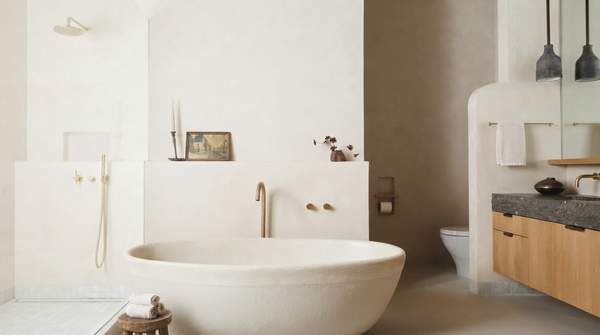
Cultivating serene living spaces often begins with a cohesive color palette. A soothing, consistent palette reduces visual clutter and provides a calm backdrop, according to Tripointe Homes. This deliberate choice ensures visual continuity, preventing jarring transitions. Such a palette is more than aesthetic; it is a strategy to reduce mental load. Visual harmony from consistent colors fosters improved focus and overall well-being, directly supporting a calmer mental state.
Beyond Aesthetics: The Psychological Impact of Less
Decluttering offers psychological benefits beyond tidiness, impacting cognitive function. Reducing possessions directly decreases mental clutter, allowing for greater clarity and less overwhelm. When visual distractions minimize, the mind experiences less sensory input, fostering deeper focus. This absence of excess creates a tangible sense of lightness, promoting clarity and peace.
Your Home as a Sanctuary: The Well-being Imperative
Thoughtful home design is vital self-care, states Tripointe Homes. This perspective elevates interior design from superficial concern to fundamental mental well-being practice. The International Journal of Future Modern Research (IJFMR) further notes that minimalist design reduces stress, improves focus, and boosts overall well-being. Modern living, often filled with possessions and visual noise, can actively harm mental health. Embracing intentional simplicity in the home thus becomes a societal imperative to re-evaluate our relationship with living spaces.
Based on these findings, companies in home decor and design should pivot their marketing from aesthetics to mental wellness. Positioning offerings as essential tools for stress reduction and personal well-being aligns with design's profound impact on mental health. This shift acknowledges the home as a primary sanctuary.
Common Questions About Embracing Minimalism
What are the key elements of minimalist interior design?
Key elements include clean lines, functional furniture, and a restrained color palette. Natural light is often maximized, and storage solutions are integrated to maintain an uncluttered appearance. The emphasis is on quality materials and thoughtful placement rather than decorative excess.
How to create a serene atmosphere with minimalist decor?
To foster serenity, begin by decluttering thoroughly, removing any items that do not serve a purpose or bring joy. Introduce soft textures and natural materials like wood or linen. Ensure adequate lighting and incorporate a few carefully chosen plants to add life without creating visual noise.
What colors are best for minimalist interior design?
Neutral colors such as whites, grays, and beiges form the foundation of minimalist design, providing a calming backdrop. Subtle pops of muted colors, like soft blues or greens, can be introduced through textiles or artwork to add depth without overwhelming the space. The goal is to create a harmonious and tranquil visual experience.
Designing for a Better You
By 2027, the emphasis on design for mental health will likely influence a broader range of residential planning and product development, redefining the home's purpose from accumulation to thoughtful curation and personal well-being.