Removing unnecessary items transforms a cluttered living room into a sanctuary. This minimalist approach proves less is more for daily well-being, fostering calm and clarity. A growing societal desire to counteract the overwhelm of modern life, finding solace in simplicity, is reflected in this shift. Individuals will increasingly embrace these principles, seeking environments that support mental tranquility.
Many associate minimalism with starkness. Yet, its true power lies in enhancing functionality and fostering peace through deliberate reduction. This misconception often obscures its profound benefits.
Adopting these principles offers a practical pathway. Individuals reclaim control over their physical spaces, and by extension, their mental tranquility. The full extent of these benefits often unfolds gradually.
An effortlessly serene minimalist space demands significant intentionality. It requires active decision-making about every item and its placement, not just passive removal. This deliberate planning shapes environments. It forms the foundation for spaces that are visually appealing, deeply functional, and calming, shifting focus from aesthetics to practical living.
Beyond Bare Walls: Defining True Minimalism
Minimalist design, as defined by Inventivearchitects, emphasizes decluttering. It removes unnecessary items, ensuring only essentials remain. This is more than tidiness; it is conscious curation. Minimalism is not emptiness, but deliberate choices prioritizing purpose and simplicity. This fosters a mental environment free from visual distractions. The true value emerges not from what is absent, but from the heightened appreciation for what remains. Reducing possessions directly lessens the daily burden of decision-making, clearing a path to functional spaces.
Crafting Purpose: How Minimalism Maximizes Space and Flow
A minimalist space layout is carefully planned for maximum functionality, notes Inventivearchitects. This arrangement often includes furniture with built-in storage and multi-functional pieces, a strategy highlighted by Armeldesign. This approach ensures every square foot serves a purpose. It makes small areas feel expansive and efficient. This thoughtful design extends beyond aesthetics, actively shaping user behavior towards efficiency and ease. Such integration transforms rooms into optimized environments, reducing item needs and simplifying daily routines.
The Unseen Benefits: Calm, Clarity, and Order
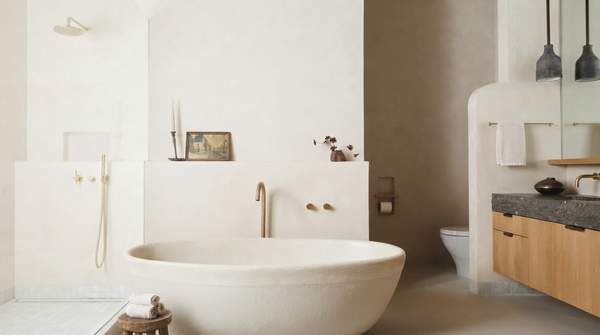
Minimalist design reduces visual clutter, fostering peace and relaxation, states Armeldesign. It enhances organization by encouraging users to keep only essentials. Reducing visual noise creates environments that support mental clarity and effortless order. The absence of excess creates a mental whitespace, enabling deeper concentration and a sense of control. This simplification directly combats decision fatigue, allowing focused tasks without constant visual interference.
Investing in Intentional Living: Quality Over Quantity
Quality over quantity defines minimalist design, especially for decorative elements, according to Inventivearchitects. This focus creates a more sustainable, satisfying living experience. Every item is valued for its purpose and aesthetic. This deliberate choice fosters a deeper connection to one's belongings, transforming consumption into a conscious act of investment. This mindset acts as an antidote to consumerism, reducing the mental burden of constant acquisition and non-essential item maintenance.
Your Minimalist Questions Answered
How to achieve a functional minimalist living room?
Achieving a functional minimalist living room begins with defining distinct activity zones. Prioritize reading or conversation areas without physical barriers. Maximize natural light from windows; this enhances space perception and reduces the need for excessive artificial lighting and fixtures.
What are common mistakes in minimalist interior design?
Equating minimalism with starkness is a common mistake. This leads to cold, impersonal spaces. Avoiding texture and material variations makes a room uninviting. Another error is neglecting personal elements or art. These can fit within a minimalist framework if chosen intentionally and sparingly.
The Enduring Appeal of Less
Minimalist design offers a powerful framework for organized, peaceful, and functional living. It is not merely an aesthetic; it is a strategic tool against decision fatigue and for enhanced focus, supported by its ability to reduce visual clutter and enhance organization, according to Armeldesign. A fundamental shift from reactive acquisition to proactive curation is signaled by the 'essentials-only' approach, noted by Inventivearchitects. The increasing pace of modern life will likely solidify minimalism's role as a necessary counterpoint, offering sanctuary in a chaotic world. Form & Taste anticipates a continued embrace of these principles, as more individuals seek clarity in their daily environments.