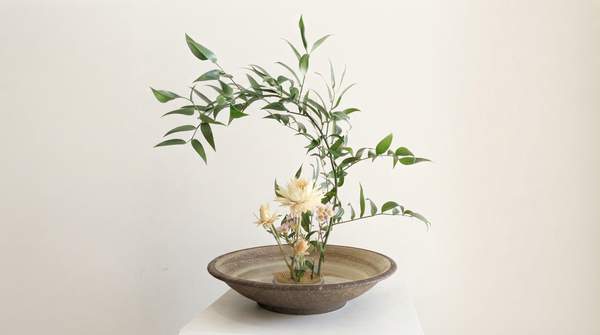
The 'family room,' a staple of modern homes, was a concept George Nelson introduced in his 1940 book, "Tomorrow's House." Contemporary living is deeply rooted in mid-20th-century innovation. Nelson also pioneered the 'storage wall' in the same publication, shaping functional home design for decades.
Contemporary design prides itself on innovation. Yet, its most enduring trends evolve directly from mid-century concepts. This tension between perceived novelty and historical dependency often traps modern homes in a nostalgic loop, hindering truly new functional forms.
Understanding foundational design principles is crucial for designers and consumers. It allows them to navigate and shape future aesthetics, recognizing influence's cyclical nature instead of mistaking reinterpretation for originality.
Timeless Icons: Mid-Century Modern's Enduring Appeal
The Eames chair, released in 1956, exemplifies mid-century modern's lasting influence. Crafted from plywood, rosewood veneer, and leather, it merges innovative materials with timeless aesthetics and ergonomics. The Eames chair is a perpetual benchmark for comfort and style, as noted by history of interior design: mid-century modern. Its enduring popularity suggests contemporary design struggles to create new icons matching this blend of form and function.
1. Mid-century modern
Best for: Consumers seeking classic elegance, functionality, and clean lines.
This style defined post-war Western interiors (1945-1970s). It features clean lines, man-made materials like metal, glass, and plastic, rich woods such as teak and rosewood, and solid colors.
Strengths: Versatile, durable, high resale value. | Limitations: Can appear dated if not thoughtfully integrated; authentic pieces often required for true aesthetic. | Price: Moderate to high, especially for originals.
2. Art Deco
Best for: Those desiring glamour, geometric precision, and luxurious aesthetics.
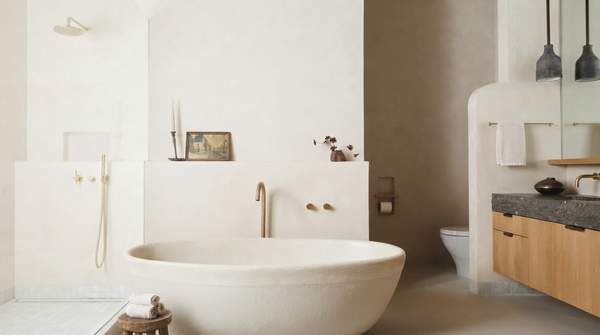
This iconic French style pervaded decorative arts from the 1910s to the 1930s, with a notable resurgence in the 1980s. Art Deco celebrates elaborate design with geometric textures, rounded mirrors, and opulence. It resurged in the 1980s and is now reimagined in a cleaner, streamlined variation, notes interior design styles: 13 most popular types explained - luxdeco.
Strengths: Distinctive, elegant, strong visual statement. | Limitations: Costly due to material emphasis; risks appearing overly thematic. | Price: High, especially for authentic or high-quality reproductions.
3. Arts and Crafts movement
Best for: Individuals valuing handcrafted quality, natural materials, and traditional artistry.
This movement, originating in the early 1900s, celebrated simple forms and traditional craft techniques with folk-style decoration. Influenced by William Morris's 'Strawberry Thief' wallpaper (1883), it defined botanical-inspired tapestries, wallpapers, fabrics, furniture, and stained-glass, notes interior design influences throughout history - iscd.
Strengths: Warm, authentic, emphasizes craftsmanship. | Limitations: Can feel heavy or rustic if overused; limited color palette. | Price: Moderate to high, depending on artisan quality.
4. Bauhaus movement
Best for: Enthusiasts of minimalist aesthetics, functional design, and industrial influences.
The Bauhaus movement's central philosophy was 'form follows function,' questioning traditional craft, art, and design. It prioritized utility and clean lines, influencing architecture and furniture.
Strengths: Highly functional, minimalist, promotes clarity. | Limitations: Can feel stark or industrial; less emphasis on decorative elements. | Price: Moderate, varies with designer pieces.
5. Minimalism
Best for: Those seeking uncluttered, serene spaces with an emphasis on simplicity.
Minimalism took hold in homes during the 1990s, characterized by ivory, beige, and white palettes. This style focuses on essential elements, clean lines, and a lack of ornamentation, creating calm, spacious environments.
Strengths: Promotes calm, maximizes space, versatile. | Limitations: Can lack warmth or personality; requires disciplined decluttering. | Price: Low to moderate, emphasizing fewer, well-chosen items.
6. Art Nouveau
Best for: Individuals drawn to organic forms, intricate details, and natural motifs.
Art Nouveau, known for botanical patterns, spread globally from 1890 to 1910. This style features curvilinear lines, naturalistic ornamentation, and fluid movement, seen in architecture, furniture, and decorative arts.
Strengths: Unique, artistic, brings natural elegance. | Limitations: Can be visually complex; potentially overwhelming in large doses. | Price: High, especially for original or custom pieces.
7. Classical interior style
Best for: Those who appreciate grandeur, symmetry, and historical references.
Classical interior style references antiquity and its traditions. Popular during the Renaissance, it saw revivals in the 18th and 19th centuries, emphasizing balance, proportion, and elaborate architectural details.
Strengths: Timeless elegance, creates permanence and formality. | Limitations: Can appear formal or imposing; often requires larger spaces. | Price: High, due to architectural details and rich materials.
Then vs. Now: Bridging Historical and Contemporary Aesthetics
| Design Movement | Historical Characteristics | Contemporary Reinterpretation |
|---|---|---|
| Bauhaus | 'Form follows function,' material honesty (steel, glass), primary colors. | Minimalist living rooms share principles of form, function, and material honesty, often using muted palettes. |
| Art Nouveau | Curvilinear forms, botanical motifs, ornate details, natural materials. | Resurgence of organic shapes in modern furniture, updated with new materials and simplified finishes. |
| Art Deco | Geometric patterns, opulent materials (chrome, glass, exotic woods), grandeur. | Geometric patterns reinterpreted with sustainable or industrial alternatives, streamlined for modern luxury design. |
Designers selectively adapt historical elements. The selective adaptation of historical elements by designers sometimes loses original intent but gains new relevance through material innovation or cultural context. For instance, Art Deco's opulent patterns are now reinterpreted with sustainable alternatives, and Art Nouveau's organic forms reappear in modern furniture with updated finishes.
How Identified Influential Design Movements
Identifying these movements involved expert interviews with leading interior designers, architectural historians, and academics. This panel offered insights into historical impact and contemporary resonance. Criteria focused on widespread adoption, theoretical contributions, and a clear lineage of influence traceable to current trends.
Further analysis reviewed seminal texts, design archives, and contemporary publications to identify recurring motifs. The rigorous methodology confirms the influences are genuinely impactful, not superficial trends, providing a clearer understanding of design evolution.
The Enduring Echo: Why History Shapes Our Homes
Consumer demand consistently favors aesthetics inspired by mid-century, Art Deco, and Scandinavian modern. Consumer demand's preference for established forms and proven functionality means 'timeless' contemporary designs often adhere to past principles, not novel invention. Many 'new' trends are merely re-packaged concepts, leveraging nostalgia over genuine innovation in form and function.
Designers blending historical references with modern sensibilities achieve higher acclaim. True innovation often lies in thoughtful reinterpretation. The enduring dominance of mid-century principles, evidenced by George Nelson's 'family room' and the Eames chair, suggests contemporary design perfects established aesthetics rather than forging entirely new paths. Good design offers both aesthetic pleasure and practical solutions, transcending fleeting fads.
Your Questions Answered: Design History & Modern Living
Is 'vintage-inspired' design truly original?
True originality involves re-imagining function or novel material application, beyond aesthetic borrowing. While vintage-inspired pieces pay homage, original designs redefine user-object interaction, like Joe Colombo's modular furniture systems from the late 1960s.
How can historical pieces be integrated into a modern home?
Successful integration requires selective placement and ensuring a clear modern function. Balance historical pieces with contemporary elements through a cohesive color palette or material link. An Eames lounge chair, for example, can anchor a minimalist living room if its upholstery complements other textures.
What are the ethical considerations in reinterpreting cultural design elements?
Ethical reinterpretation demands attributing origin, seeking collaboration with source culture designers, and understanding motif significance to avoid misappropriation. Traditional patterns from indigenous communities, for instance, often carry deep spiritual meaning requiring respect, not mere replication for commercial gain.