What Are the Foundational Principles of Scandinavian Design?

Beyond its clean lines and simple forms, the true, often unseen, ambition of Scandinavian design is to actively cultivate mental tranquility within every space it touches.

LB
Luca Bianchi

June 25, 2026 · 3 min read

A bright and airy Scandinavian living room featuring minimalist furniture, natural wood accents, and soft, natural light, embodying tranquility and simplicity.

Beyond its clean lines and simple forms, the true, often unseen, ambition of Scandinavian design is to actively cultivate mental tranquility within every space it touches. Deliberate engineering of spaces for profound psychological well-being offers a calm refuge in increasingly complex lives. By 2026, this focus shapes environments that soothe the spirit and enhance daily living.

Scandinavian design is widely admired for its minimalist aesthetic, but its foundational goal is actually to create spaces that profoundly nurture the mind. Tension reveals a deeper purpose, moving beyond mere visual appeal to address intrinsic human needs for comfort and peace.

As global awareness of mental well-being in living spaces grows, Scandinavian design's holistic approach is poised to become even more influential and essential. Its principles offer a blueprint for creating environments that support psychological health, making it more relevant than ever.

More Than Just Minimalism: The Core Philosophy

The core objective of Scandinavian design extends beyond surface-level aesthetics. It focuses on human well-being. According to Olson Baker, the explicit goal is to create spaces that nurture the mind. The explicit goal to create spaces that nurture the mind establishes Scandinavian design not as a fleeting trend, but as a deliberate philosophy centered on psychological comfort and functionality.

The emphasis on practicality and thoughtful arrangement ensures every element serves a purpose. The emphasis on practicality and thoughtful arrangement contributes to an uncluttered, calming environment. Such intentionality promotes order and reduces visual noise, directly supporting mental clarity.

Elements of Nurturing Design: Function, Form, and Nature

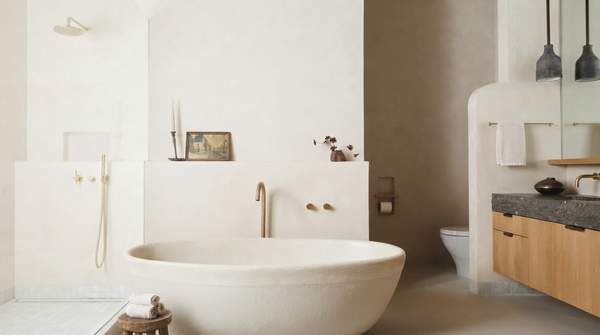
Minimalism, functionality, and natural elements collectively contribute to the nurturing environment. The absence of excessive ornamentation allows for visual rest. Intuitive functionality streamlines daily tasks, reducing potential sources of stress.

Designers integrate natural materials: light wood, wool, leather. Ample natural light connects occupants with the outdoors. Connection to nature has a documented calming effect, fostering a serene atmosphere indoors. These integrated elements create environments that are inherently calming, fostering a sense of peace and order, rather than merely appearing so.
Enduring Appeal: Why Scandinavian Design Continues to Thrive

The lasting relevance of Scandinavian design principles stems from its timeless appeal. Tandfonline notes the image and ideals of Scandinavian Modern remain active within New Nordic Design. The sustained presence of Scandinavian Modern's image and ideals confirms its global staying power is not a fleeting trend, but a testament to its inherent ability to fulfill a deep human need for psychological well-being.

Its core tenets transcend fleeting trends, remaining a powerful force in modern aesthetics and lifestyle. Companies marketing Scandinavian-inspired products often miss a critical opportunity. They focus solely on aesthetics, failing to leverage the profound, mind-nurturing benefits Olson Baker identifies as its core goal. The oversight of focusing solely on aesthetics and failing to leverage the profound, mind-nurturing benefits ignores the true source of its enduring appeal.

Common Questions About Scandinavian Design

What are the key characteristics of Scandinavian design?

Scandinavian design emphasizes simplicity, utility, and beauty. Key characteristics include light color palettes, often white or gray, natural wood tones, clean lines, and a focus on natural light. Functionality is paramount, with furniture and objects designed for practical use and durability.

How has Scandinavian design evolved over time?

Scandinavian design has evolved by adapting to modern living while retaining its core principles. Contemporary interpretations often incorporate sustainable materials and smart home technology, reflecting a greater environmental consciousness and technological integration. The focus remains on creating comfortable, efficient, and aesthetically pleasing spaces.

Where can I find examples of Scandinavian design in 2026?

In 2026, examples of Scandinavian design can be found in global furniture retailers like IKEA, as well as high-end brands such as Muuto and &Tradition. Many contemporary architects also incorporate these principles into residential and commercial spaces, emphasizing natural light and minimalist forms.

The Lasting Legacy of Thoughtful Design

If its foundational focus on psychological well-being continues to guide innovation, Scandinavian design, as exemplified by designers like Norm Architects in 2026, will likely remain a critical blueprint for creating environments that genuinely enhance quality of life.