Why Experiential Design Is Winning Over Retail and Hospitality Shoppers

This year, Hilton is rolling out its 'Connected Room' concept, allowing guests to personalize everything from lighting to temperature with a tap, signaling a new era where hotels are as much about tai

LB
Luca Bianchi

April 25, 2026 · 6 min read

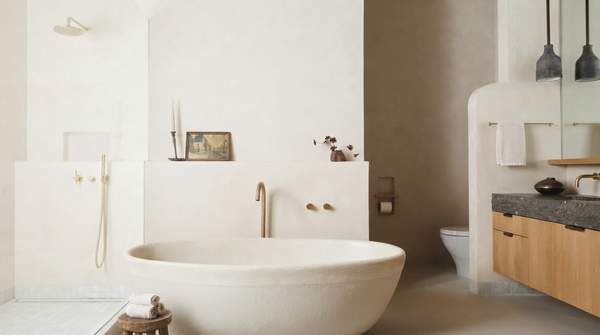
A modern retail and hospitality space designed with experiential elements, featuring interactive displays and personalized comfort zones.

This year, Hilton is rolling out its 'Connected Room' concept, allowing guests to personalize everything from lighting to temperature with a tap, ushering in a new era where hotels are as much about tailored experiences as they are about beds. The 'Connected Room' initiative extends beyond basic comfort, crafting environments that respond directly to individual preferences, blurring the lines between personal sanctuary and public commerce. Hyper-personalization reflects a broader shift in hospitality and retail, where experiential design trends are influencing how businesses engage with consumers in 2026.

Consumers increasingly prioritize experiences over possessions, but many businesses still rely on outdated models focused solely on transactional exchanges. The reliance on outdated models creates a tension between evolving consumer desires for immersive interactions and traditional commercial approaches.

Companies that fail to evolve their physical spaces into dynamic, sensory-rich, and community-oriented destinations risk becoming obsolete as consumer expectations for engagement continue to rise.

The personalized control offered by innovations like Hilton's 'Connected Room' is a direct response to millennials' desire for 'third spaces' that feel like an extension of their highly customized digital lives. The move by a major hospitality brand to offer personalized control demonstrates a fundamental change in consumer expectations, moving beyond mere utility to demand deeply personalized and engaging interactions within physical spaces. Such environments aim to create a sense of belonging and individual agency, transforming a temporary stay into a curated personal retreat.

Beyond the Transaction: Crafting Multi-Sensory Journeys

In batik boutiques, sensory engagement significantly impacts consumer perception and purchase behavior, Successful modern spaces are meticulously engineered to stimulate multiple senses. Sensory engagement goes beyond simple product display, transforming a visit into a memorable journey that influences purchasing decisions, according to experiential retailing in cultural spaces: a case study of multisensory .... Traditional retail often focuses on visual merchandising and straightforward transactions.

Experiential design, however, integrates lighting, music, scent, and tactile interactions to evoke emotion and create a narrative around the product or service. While businesses often focus on digital engagement, the profound impact of sensory elements on consumer emotions and purchase behavior suggests that the 'third space' millennials crave is fundamentally a physical, multi-sensory construct, not just a social concept. Experiential design moves beyond selling an item to selling an experience, establishing a deeper connection with the consumer.

The Data Behind the Experience Economy

  • Significant Impact — Sensory engagement, encompassing elements like lighting, music, and scent, profoundly influences consumer perception and purchase behavior in diverse retail settings, according to experiential retailing in cultural spaces: a case study of multisensory ... (2026).
  • Critical Demand — Millennials are driving a substantial demand for 'third space' retail environments, seeking combinations of community and commerce within physical shopping experiences, as reported by Retail Technology Innovation Hub (2026).
  • Broad Application — The influence of sensory engagement on purchase behavior extends even to niche markets, such as batik boutiques, suggesting its universal power across varied retail landscapes.
  • Redefined Value — For leading hospitality brands, the core product is shifting from basic amenities to a meticulously crafted, personalized sensory journey, redefining value for modern consumers.
  • Risk of Irrelevance — Businesses failing to integrate personalized, multi-sensory experiences actively alienate the millennial demographic, risking significant market share loss and irrelevance.
  • Physical Construct — The 'third space' desired by consumers is fundamentally a physical, multi-sensory construct, not solely a social or digital one, highlighting the importance of tangible environments.
  • Blurred Lines — Innovations like Hilton's 'Connected Room' blur the lines between personal sanctuary and public commerce, reflecting a consumer desire for highly customized spaces.

While specific figures vary by sector, The overarching trend reveals a clear economic imperative for businesses to invest in experiential strategies to meet evolving consumer values. Collective evidence points to a market where emotional and sensory connections are becoming as critical as product quality or price.

Why Experiences Trump Possessions

Millennials are driving the demand for 'third space' retail environments that combine community and commerce, according to the Retail Technology Innovation Hub. Millennials seek spaces offering more than just transactions; they want emotional resonance and a sense of belonging, reflecting a broader consumer shift towards valuing experiences over mere ownership. Such environments serve as extensions of their personal lives, where social interaction and curated discovery play key roles.

The profound impact of sensory engagement on consumer emotions and purchase behavior further reinforces this shift. Stimulating sensory modalities within a store atmosphere significantly influences positive emotions and consumer attitudes, as indicated by research published in experiential retailing in cultural spaces: a case study of multisensory .... The confluence of psychological impact and demographic preference reveals that consumers, particularly younger generations, are actively seeking environments that offer emotional resonance and foster a sense of belonging, rather than just products. Businesses that fail to recognize this fundamental desire risk losing loyalty and market share to competitors who successfully cultivate these immersive spaces.

From Hotels to Boutiques: Experiential Design in Practice

Hilton is debuting their “Connected Room” concept this year, a prime example of how hospitality brands are integrating technology to create personalized guest experiences, according to High-profile. Guests can control room features like lighting and temperature through a single device, transforming a standard hotel stay into a highly customized, 'third space' environment. The 'Connected Room' initiative sets a new standard for personalized comfort and convenience.

The significant influence of sensory engagement on purchase behavior in specific retail settings, such as batik boutiques, further illustrates the broad applicability of experiential design. These niche markets, often overlooked by high-tech solutions, benefit immensely from carefully curated atmospheres that engage multiple senses, creating a memorable narrative around their products. Examples like Hilton's 'Connected Room' and batik boutiques illustrate how leading brands are leveraging technology and thoughtful design to create immersive, personalized environments that resonate deeply with modern consumers. The power of experiential design transcends high-tech or luxury sectors, becoming a universal driver of commercial success across diverse retail landscapes.

The Future of Physical Spaces: More Than Just Walls

Businesses failing to integrate personalized, multi-sensory experiences into their physical spaces are not just missing an opportunity; they are actively alienating the millennial demographic, risking irrelevance and significant market share loss.

  • Evidence point: PMC studies demonstrate that sensory engagement significantly impacts consumer perception and purchase behavior.gagement significantly impacts consumer perception and purchase behavior, according to experiential retailing in cultural spaces: a case study of multisensory ....
  • Evidence point: Millennials are driving the demand for 'third space' retail environments that combine community and commerce, as reported by the Retail Technology Innovation Hub.
  • Evidence point: Hilton's 'Connected Room' initiative signals that for leading hospitality brands, the core product is no longer just a bed or a service, but a meticulously crafted, personalized sensory journey, redefining the very essence of value for the modern consumer, according to High-profile.

Physical spaces will increasingly function as dynamic platforms for brand storytelling, community building, and personalized engagement, demanding continuous innovation from designers and strategists. Businesses must evolve beyond transactional models to offer immersive environments that resonate on an emotional and sensory level. The shift to immersive environments requires a fundamental reconsideration of how physical spaces are designed and utilized, transforming them into destinations that foster connection and loyalty.

Designing for Connection in a Disconnected World

  • 1. Personalized control, as seen in Hilton's 'Connected Room', responds directly to the millennial desire for 'third spaces' mirroring their customized digital lives.
  • 2. The profound impact of sensory elements (lighting, music, scent) on consumer emotions makes physical spaces multi-sensory constructs, not just social concepts.
  • 3. Even niche markets, like batik boutiques, demonstrate that sensory engagement critically influences purchase behavior, transcending high-tech or luxury sectors.
  • 4. Businesses ignoring personalized, multi-sensory experiences risk alienating the millennial demographic and losing significant market share by 2026.

Ultimately, the success of retail and hospitality in the coming decade will hinge on their ability to move beyond transactional interactions and cultivate genuine, memorable connections through thoughtfully designed experiences. This requires a strategic investment in environments that prioritize emotional engagement and personal relevance.

By Q4 2026, businesses that have not adapted to the demand for personalized, sensory-rich environments, like those pioneered by Hilton's 'Connected Room' concept, will likely face measurable declines in millennial loyalty and market share. The commercial success of physical spaces now hinges on their ability to offer compelling, immersive experiences.