What is a sustainable luxury wardrobe and why is it important?

Only one of the 30 most popular luxury brands analyzed secured a “Good” rating for sustainability, according to Good On You .

AC
Adrianne Cole

April 27, 2026 · 5 min read

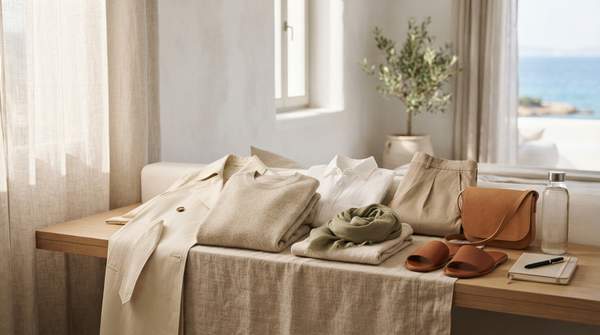
A beautifully organized luxury wardrobe filled with high-quality, sustainable clothing, bathed in soft natural light, representing conscious and ethical fashion choices.

Only one of the 30 most popular luxury brands analyzed secured a “Good” rating for sustainability, according to Good On You. This singular achievement among dozens of prominent names immediately challenges the perception that luxury brands inherently uphold high standards across all aspects, including ethics and environment. High prices and perceived value do not automatically translate into superior ethical or environmental performance, leaving consumers with a significant knowledge gap.

Consumers expect luxury brands to embody quality and responsibility, but the vast majority operate with damaging, unsustainable practices. This tension creates a difficult choice for individuals aiming to align their purchases with ethical values. The implicit promise of superior standards often does not extend to environmental or labor considerations, revealing a profound disconnect.

As the article is written in 2026, consumers seeking to build a sustainable luxury wardrobe must become diligent researchers and conscious choosers, as the industry itself is largely failing to provide ethical options. This systemic failure places the burden of ethical consumption squarely on the buyer. The path to responsible high-end style requires informed discernment and active engagement.

Defining Sustainable Luxury: More Than Just a Price Tag

A truly sustainable luxury wardrobe extends beyond high material cost, encompassing ethical sourcing, minimal environmental impact, and exceptional durability. This definition requires brands to consider their entire supply chain, from the cultivation of organic cotton or responsible animal husbandry for fine leathers, to manufacturing processes that minimize waste and pollution. It involves transparent reporting regarding fair labor conditions, living wages, and reduced ecological footprints across all production stages.

Such luxury items are meticulously designed for longevity, reducing the need for frequent replacements and minimizing textile waste. They often feature timeless aesthetics and craftsmanship that allows for intricate repair and restoration, extending their lifecycle significantly. This approach contrasts sharply with fast fashion's disposability, emphasizing enduring value, the artistry of design, and responsible consumption that respects both resources and skilled labor.

The Hidden Costs: Why Most Luxury Brands Fall Short

Many designer brands maintain damaging practices that continue to harm the planet and its inhabitants, according to Good On You. These practices often involve opaque supply chains where labor abuses, such as inadequate wages, unsafe working conditions, and even child labor, persist, especially in textile production hubs. The pursuit of rapid production cycles and new collections frequently overrides ethical considerations, pushing for speed over responsibility.

Despite their premium pricing, many luxury brands prioritize profit margins over environmental stewardship and ethical labor. This results in significant ecological and social harm, including excessive water usage in cotton cultivation, chemical pollution from dyeing and finishing processes, and vast textile waste ending up in landfills. The perceived exclusivity of these products often masks their detrimental impacts on both human well-being and natural environments.

The luxury sector, despite its premium pricing and perceived quality, operates with a shocking disregard for environmental and ethical responsibility. This disregard makes its 'luxury' status a misnomer in terms of values, particularly when compared to the artisanal traditions it often claims to uphold. Consumers seeking to align their values with their purchases in the luxury market face an almost insurmountable challenge due to this systemic lack of transparency and commitment.

Beyond Aesthetics: The Global Impact of Your Choices

Every purchase decision in the luxury market contributes to a larger system, either perpetuating harmful practices or supporting a shift towards a more responsible industry. The choice to acquire a garment or accessory carries implications far beyond personal style and immediate satisfaction. It impacts the livelihoods of garment workers globally, who may face exploitation, and the health of ecosystems, struggling with pollution and resource depletion.

When consumers actively prioritize genuinely sustainable luxury, they exert significant pressure on brands to improve their ethical and environmental performance. This collective action can drive industry-wide change, moving away from exploitative labor and environmentally damaging production methods towards more equitable and regenerative models. The power of informed demand shapes the future of fashion, encouraging innovation in material science and ethical manufacturing.

Your Sustainable Luxury Questions Answered

What are the benefits of a sustainable luxury wardrobe?

A sustainable luxury wardrobe offers enhanced durability and timeless appeal, often reducing overall spending due to fewer replacements. It also provides peace of mind, knowing your purchases support ethical labor and environmental protection. For example, brands like Stella McCartney prioritize circularity, ensuring garments are designed to be recycled or biodegraded, extending their material life far beyond a single owner.

How to identify sustainable luxury brands?

Identifying truly sustainable luxury brands requires examining their transparency reports, certifications, and third-party ratings. Look for specific details about material sourcing, manufacturing processes, and fair labor practices, rather than vague statements. Companies like Patagonia, though not strictly luxury, set a benchmark for transparency by detailing their entire supply chain and environmental impact for public review, a model luxury brands could emulate.

What are the key pieces for a sustainable luxury wardrobe?

Key pieces for a sustainable luxury wardrobe focus on versatility, quality, and classic design over fleeting trends. These include a well-tailored trench coat made from organic cotton, durable leather accessories sourced from tanneries with strong environmental standards, and cashmere sweaters from certified ethical suppliers. Investing in items like a classic silk scarf from a brand committed to water-saving dye techniques ensures longevity and reduces environmental harm.

Investing in a Better Future: Your Role in Sustainable Luxury

Building a sustainable luxury wardrobe represents an ongoing commitment to conscious consumption, demanding transparency from brands and valuing longevity and ethics over fleeting trends. Consumers hold significant power to influence industry practices through their purchasing decisions, effectively voting with their wallets for a more responsible future. Supporting the few truly sustainable brands encourages others to adopt more verifiable ethical and environmental models, fostering a competitive shift.

The stark reality of only one brand achieving a ‘Good’ rating suggests that the luxury fashion industry is not just lagging, but actively resistant to sustainable practices. This leaves conscientious consumers with virtually no ethical high-end options from the majority of the market, forcing them into a role of vigilant scrutiny. The illusion of quality and exclusivity does not extend to environmental or ethical responsibility, risking significant reputational damage as consumer awareness and regulatory pressures grow.

By 2028, leading luxury houses like Kering, which owns brands such as Gucci and Saint Laurent, will face increased pressure to disclose more comprehensive sustainability metrics. This push comes from both consumer demand and evolving regulatory frameworks, including potential EU directives on corporate due diligence. Their future success depends on moving beyond superficial greenwashing to embrace verifiable ethical and environmental commitments, reflecting genuine artistry in both design and impact.