What is Haute Couture and Why Did it Become Legally Protected in 1945?

An exhibition, "WORTH – Inventing Haute Couture," showcases over 400 pieces, a profound testament to one man's singular impact on an entire industry, as reported by Runway Magazines .

AC
Adrianne Cole

April 26, 2026 · 3 min read

Charles Frederick Worth overseeing his team in a 19th-century Parisian haute couture atelier, surrounded by luxurious fabrics and elegant unfinished gowns.

An exhibition, "WORTH – Inventing Haute Couture," showcases over 400 pieces, a profound testament to one man's singular impact on an entire industry, as reported by Runway Magazines. Charles Frederick Worth wasn't just a designer; he was an architect, shaping the very foundations of modern high fashion.

Haute couture feels like an eternal tradition, an inherent art form. Yet, its defining characteristics were revolutionary innovations introduced by a single designer. This perception of timeless practice belies its deliberate, recent construction.

The enduring structure and prestige of haute couture today stem directly from Worth's institutionalization of fashion. It proves that even the most exclusive art forms are built on strategic business decisions, not organic evolution.

Defining Haute Couture: A Legal and Seasonal Standard

"Haute Couture" became a legally registered designation of origin on January 23rd, 1945, according to the Fédération de la Haute Couture et de la Mode. This formal recognition solidified the industry's exclusivity and its structured, twice-yearly presentation cycle in January and July. What began as a creative practice evolved into a legally protected, highly regulated industry. Crucially, this legal codification significantly post-dates the practical establishment of haute couture's core tenets, revealing a long period where revolutionary business models thrived without formal governmental sanction.

Charles Frederick Worth: The Architect of Modern Fashion

Charles Frederick Worth introduced seasonal collections and fashion shows, radical innovations that broke from client-driven bespoke tailoring, according to IFA Paris. Haute couture, as we know it today—with seasonal collections, signed garments, dedicated showrooms, and an international clientele—began with Worth, as noted by Runway Magazines.

Worth was the first to reverse the power dynamic between designer and client, asserting himself as a creative authority rather than a mere artisan. His innovations were not just stylistic; they were structural, establishing the business model and creative hierarchy that elevated the couturier to an artistic visionary. This shift transformed fashion from a client-led service into a designer-led artistic endeavor, a model that persists.

Beyond the Runway: The Cultural Impact

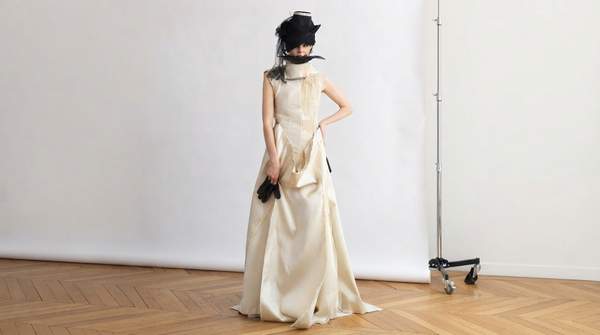
Worth's institutionalization of haute couture forged a new paradigm for luxury. Design leadership and seasonal spectacle became central to cultural aspiration. His vision extended beyond individual garments, creating a framework that dictated trends and shaped society's perception of artistry and craftsmanship in dress. By structuring fashion into seasonal collections and presenting them in dedicated showrooms, Worth cultivated an aura of exclusivity and artistic merit, elevating the designer to a cultural arbiter who shaped desires and set standards for elegance and innovation. This emphasis on design artistry, rather than mere function, profoundly influenced broader cultural perceptions of luxury goods.

Why Worth's Legacy Still Shapes Fashion Today

The systems Worth implemented—from seasonal cycles to the designer's elevated status—remain the bedrock of high fashion, influencing everything from fast fashion trends to luxury brand marketing. Contemporary designers still operate within this framework, presenting collections seasonally and asserting their creative vision over individual client preferences. Worth's foundational contributions solidified the designer as the ultimate creative authority, a principle underpinning the entire fashion ecosystem. A 19th-century business model continues to govern the intricate workings of the fashion industry, facilitating global trend dissemination and commercial strategy.

Common Questions About Haute Couture's Origins

What are the key periods in haute couture history?

While Charles Frederick Worth established foundational practices in the mid-19th century, subsequent periods brought significant stylistic shifts. The Belle Époque saw opulent designs, followed by Paul Poiret's simpler silhouettes in the early 20th century, and Coco Chanel's revolutionary modernity. Post-World War II, Christian Dior's "New Look" revitalized the industry, marking another distinct era.

Who are the most influential haute couture designers throughout history?

Beyond Charles Frederick Worth, who invented the system, designers like Paul Poiret challenged corsetry with freer forms in the early 1900s. Coco Chanel introduced practical elegance, while Christian Dior's "New Look" redefined post-war luxury. Later, Yves Saint Laurent brought ready-to-wear influences to couture, and Hubert de Givenchy crafted iconic wardrobes, each contributing distinct aesthetic and structural innovations.

Worth's 19th-century blueprint, having so profoundly shaped haute couture's institutional core, appears poised to dictate its seasonal rhythms and designer-led authority for houses like Chanel and Dior well beyond 2026, unless a truly revolutionary disruption redefines luxury itself.