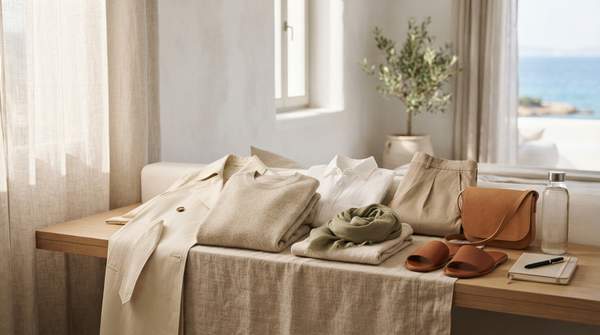
While many capsule wardrobe guides suggest a strict 30-40 item limit, one practitioner's personal collection actually hovers between 50-70 pieces, with smaller seasonal rotations, according to A Considered Life. One practitioner's personal collection, hovering between 50-70 pieces with smaller seasonal rotations, challenges the common minimalist ideal for building a versatile, stylish capsule wardrobe that adapts to different seasons in 2026.
The common perception of a capsule wardrobe is a strict, minimalist collection. Yet, successful implementation often involves a larger base wardrobe with flexible seasonal subsets. Successful implementation, often involving a larger base wardrobe with flexible seasonal subsets, creates a tension between aspirational limitations and the realities of sustained, adaptable style. Widespread advice for strict 30-40 item capsule wardrobes often sets consumers up for failure.
Embracing a flexible, goal-oriented approach to capsule wardrobing, rather than rigid item counts, appears key to achieving both personal style and sustainable consumption. True sustainable style demands a realistic, adaptable approach to item counts, moving beyond mere numerical constraints to foster enduring elegance.
Beyond the Hype: What a Capsule Wardrobe Really Means
Building a capsule wardrobe is a way to consume fashion more consciously, focusing on a smaller collection of high-quality pieces, explains The Slow Label. Building a capsule wardrobe, a way to consume fashion more consciously by focusing on a smaller collection of high-quality pieces, shifts focus from mere quantity to profound intentionality, establishing a foundational mindset for conscious fashion. It fosters a more mindful engagement with personal style and consumption habits, challenging the quick-fix perception of minimalism by advocating for thoughtful investment.
Your Blueprint for a Smarter Closet
A systematic approach for building an effective capsule wardrobe involves several crucial steps, according to The Slow Label. These include assessing your current wardrobe, defining personal style, listing essential items, investing in high-quality pieces, and shopping second-hand or from sustainable brands. Beyond acquisition, the process also recommends mixing and matching garments effectively and diligently caring for clothes. This comprehensive, iterative journey, encompassing self-reflection, strategic acquisition, and ongoing maintenance, is crucial for building a functional and enduring capsule wardrobe. It challenges the notion that a capsule wardrobe is a static, immediately achievable goal, revealing it as a dynamic commitment to style and sustainability.
The Foundation First: Avoiding Common Missteps
To build a successful capsule wardrobe, one must first outline the basics to identify goals that meet individual needs, advises Oliver Charles. Outlining the basics to identify goals that meet individual needs ensures the resulting collection serves a clear purpose, tailored to individual lifestyles and preferences.
Without clearly defined personal goals and needs upfront, a capsule wardrobe risks becoming a collection of arbitrary items, rather than a functional, conscious system. Companies marketing 'capsule wardrobe' solutions based purely on minimalist item counts often miss the deeper consumer need for strategic planning, personal style definition, and high-quality investment.
Maximizing Longevity: Care and Quality Investment
Investing in high-quality pieces made from natural and sustainable materials like organic cotton, lyocell TENCEL™, organic wool, and recycled fibers is recommended for longevity and environmental benefit, states The Slow Label. These materials offer enhanced durability and reduced ecological impact compared to conventional alternatives. To maximize a capsule wardrobe's lifespan, meticulous garment care is equally vital: follow specific instructions, wash items only as needed, and avoid using the dryer. Prioritizing durable, sustainable materials alongside diligent care extends conscious consumption beyond purchase, encompassing the entire garment lifecycle.
What are the essential pieces for a capsule wardrobe?
Essential pieces for a capsule wardrobe typically include versatile items like classic shirts, well-fitting trousers, adaptable layering pieces, and durable outerwear. The specific selection should align with individual lifestyle needs and regional climate, emphasizing pieces that can be styled in multiple ways across different occasions. Focus on foundational items in neutral tones that pair easily.
How to create a capsule wardrobe for work?
Creating a capsule wardrobe for work involves selecting professional attire that balances formality with versatility. Key items often include tailored blazers, smart blouses, dress trousers, and skirts that can be mixed and matched. Prioritize pieces that maintain their structure and appearance through frequent wear, ensuring a polished look for various professional settings throughout the week.
How many items should be in a capsule wardrobe?
The ideal number of items in a capsule wardrobe varies significantly, often exceeding the commonly suggested 30-40 piece limit. Successful practitioners frequently maintain a collection of 50-70 items, allowing for greater adaptability across seasons and occasions. This larger, more flexible count supports true versatility and sustainability, moving beyond strict minimalism towards a more realistic approach to personal style.
What is a 4-season capsule wardrobe?
A 4-season capsule wardrobe is a curated collection designed to adapt to all four seasons through strategic layering and interchangeable pieces. It typically involves a larger core wardrobe supplemented by seasonal subsets of clothing and accessories. This approach maximizes the utility of each item, reducing the need for constant purchasing and promoting year-round style.
By Q4 2026, brands like The Slow Label will likely continue to champion the shift towards more considered collections, advocating for durable organic cottons and TENCEL™ lyocell fibers. The sustained focus on quality and conscious consumption by brands like The Slow Label, advocating for durable organic cottons and TENCEL™ lyocell fibers, appears poised to redefine the very essence of a functional, enduring wardrobe.