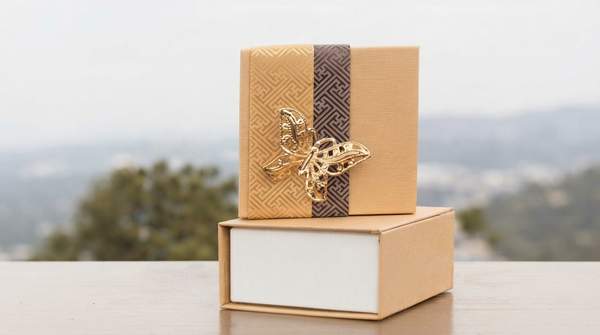
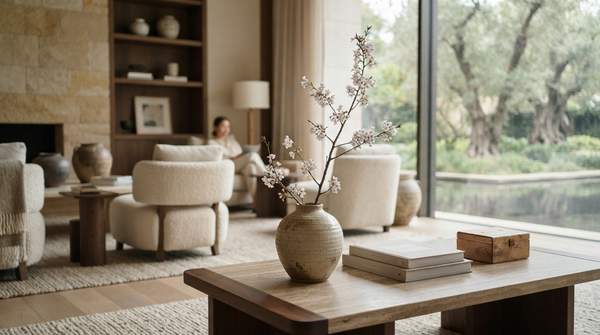
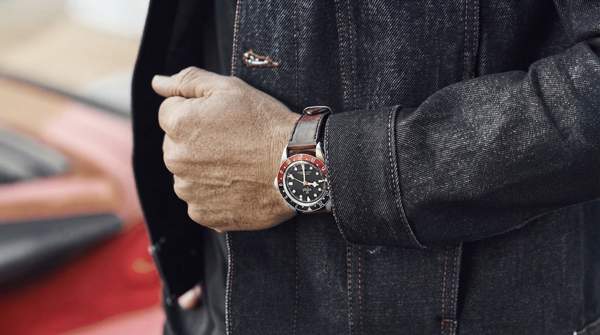
While many luxury brands flaunt bold logos, Chinese managers quietly cultivate prestige. They focus on natural materials and traditional artisans. Intrinsic value offers an alternative to overt displays, resonating with consumers seeking deeper meaning. Meticulous handcraft or ethically sourced silk speaks volumes without a shouted brand name, positioning these brands for transparent values by 2026.
Luxury once meant overt displays of wealth. Chinese brands now craft authenticity through inconspicuous strategies, avoiding ostentation. This creates tension between established prestige and an emerging appreciation for quiet integrity.
The global luxury market evolves. Genuine heritage and ethical practices may soon outweigh flashy branding, setting a new benchmark for global prestige.
Redefining Luxury: The Inconspicuous Paradox
Brand researchers define luxury by 'prestigious brands,' according to Frontiersin. The traditional view, linking luxury to status and overt display, is now redefined by Chinese brands. They build prestige on foundational qualities, not external markers, prioritizing substance over superficiality. This creates a paradox: prestige built on what it isn't. These brands deliberately avoid overt displays of wealth, a strategy of inconspicuous branding. The sophisticated evolution communicates value through intrinsic quality and subtle cues. Prioritizing provenance, heritage, and narrative over extrinsic display, Chinese luxury fundamentally challenges established notions. True prestige, based on pmc.ncbi.nlm.nih.gov, stems from quiet integrity and authentic narratives, forcing global brands to reconsider superficial displays. Brands failing to cultivate deep, inconspicuous authenticity risk becoming relics in a market valuing substance.
Crafting Authenticity: Nature, Heritage, and Sincerity
Chinese luxury managers craft authenticity through nature, heritage, and sincerity, according to pmc.ncbi.nlm.nih.gov. Nature ensures quality, traditional craftsmanship provides heritage, and sincere stories foster connection. The choices forge deeper consumer bonds, moving beyond superficial status. A brand highlights tea leaf terroir or a porcelain workshop's multi-generational history. The intrinsic value emphasis shifts prestige from 'what you show' to 'what you embody.' The method of crafting authenticity directly achieves inconspicuous prestige.