Top 6 Beauty Ingredients for Radiant Skin, Including Vitamin C

A clinical formulation with active vitamin C demands a precise 10% to 20% strength and a pH below 3.

SM
Sofia Mendes

April 30, 2026 · 5 min read

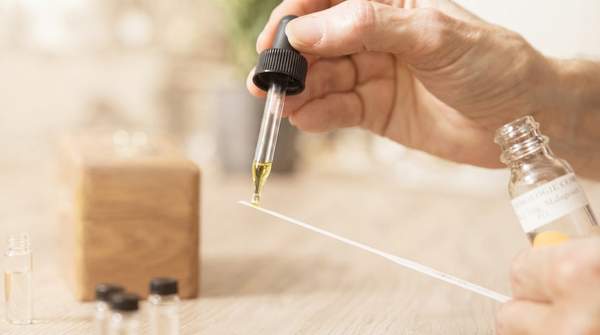
A glass dropper releasing a golden vitamin C serum onto radiant skin, symbolizing effective skincare.

A clinical formulation with active vitamin C demands a precise 10% to 20% strength and a pH below 3.5, confirms Harvard Health. A precise 10% to 20% strength and a pH below 3.5 ensures stability and effective skin penetration, delivering true biological significance. Yet, the market overflows with products touting essential skin ingredients, many of which lack the critical formulation to be effective. Consumers often unknowingly purchase inert products, wasting money and seeing no results. Informed selection, guided by clinical parameters, is therefore paramount for genuinely radiant skin.

1. The Powerhouse: Vitamin C's Multifaceted Benefits

Best for: Individuals seeking comprehensive skin improvement, from anti-aging to acne reduction.

Daily use of a vitamin C formulation for at least three months improves fine and coarse wrinkles, alongside overall skin texture and appearance, according to Harvard Health. Its multifaceted benefits extend to antioxidative, photoprotective, anti-aging, and anti-pigmentary effects, as detailed by PMC. Clinical trials further show that twice-daily application reduced acne lesions compared to placebo, reports Harvard Health. The broad efficacy of properly formulated vitamin C makes it an indispensable cornerstone for comprehensive skin improvement.

Strengths: Reduces wrinkles, improves texture, offers antioxidant protection, reduces hyperpigmentation, stimulates collagen, and diminishes acne lesions. | Limitations: Requires precise concentration and pH for efficacy; can be unstable if not formulated correctly. | Price: Varies significantly by brand and formulation.

2. Niacinamide (Vitamin B3)

Best for: Addressing signs of aging, hyperpigmentation, and improving skin elasticity.

A 12-week regimen of 5% niacinamide, applied twice daily, significantly improved facial photoaging signs in a study of 50 subjects, reports PubMed. Participants saw reductions in fine lines, wrinkles, hyperpigmented spots, red blotchiness, and skin sallowness, alongside improved elasticity. Niacinamide's ability to improve facial photoaging signs makes it a powerful, versatile ingredient for addressing multiple signs of aging and enhancing skin resilience.

Strengths: Improves fine lines, wrinkles, hyperpigmentation, redness, and elasticity. | Limitations: May cause mild irritation in some individuals at higher concentrations. | Price: Moderate.

3. Sunscreen (SPF 30+)

Best for: Preventing sun damage, premature aging, and maintaining skin health daily.

A sunscreen with at least SPF 30 is essential to shield skin from ultraviolet radiation, states Harvard Health. A sunscreen with at least SPF 30 not only prevents immediate sun damage but also safeguards against the long-term environmental stressors that accelerate aging and diminish natural radiance.

Strengths: Essential for preventing UV damage, photoaging, and skin cancer. | Limitations: Requires consistent daily application; some formulations can leave a white cast. | Price: Varies, generally accessible.

4. Salicylic Acid

Best for: Individuals with acne-prone or oily skin seeking clearer pores.

Salicylic acid proves beneficial in face washes for acne-prone skin, according to Harvard Health. Its unique ability to exfoliate inside the pore helps prevent breakouts and promotes a visibly smoother, clearer complexion, making it a targeted solution for oily and congested skin.

Strengths: Effective for treating acne, blackheads, and whiteheads; exfoliates pores. | Limitations: Can be drying or irritating if overused; not suitable for very dry or sensitive skin. | Price: Low to moderate.

5. Glycolic Acid (Alpha Hydroxy Acid)

Best for: Brightening skin, reducing pigmentation, and improving texture for those in their 30s or 40s.

Glycolic acid in a cleanser can effectively brighten skin and reduce pigmentation, especially for those in their 30s or 40s, notes Harvard Health. By exfoliating the skin's surface and promoting cell turnover, it reveals a more radiant complexion, offering a key strategy for maintaining youthful luminosity.

Strengths: Brightens skin, reduces hyperpigmentation, improves skin texture, and minimizes fine lines. | Limitations: Can increase sun sensitivity; may cause irritation, especially in higher concentrations. | Price: Moderate.

6. Vitamin E Serum

Best for: Hydration, antioxidant protection, and enhancing skin barrier function.

Vitamin E serum helps skin retain moisture and protects against damage, according to Harvard Health. Vitamin E serum, a potent antioxidant, combats free radicals and strengthens the skin's natural barrier, making it an excellent addition for enhanced hydration and environmental defense, particularly when paired with Vitamin C.

Strengths: Moisturizes, provides antioxidant protection, supports skin barrier. | Limitations: Can be heavy for oily skin types; some individuals may experience clogged pores. | Price: Moderate.

Decoding Vitamin C: Concentration and pH for Optimal Results

FactorOptimal Range/RequirementImpact of Deviation
Concentration for Biological SignificanceHigher than 8%Below 8% renders the product largely ineffective.
Reputable Product Concentration10% to 20%Below 10% may be less effective; above 20% does not increase significance and might cause irritation.
pH Level for Stability & PermeabilityBelow 3.5Above 3.5 significantly reduces stability and ability to penetrate the skin.
Irritation RiskAbove 20% concentrationConcentrations exceeding 20% can lead to skin irritation.

Achieving biological significance with vitamin C demands a concentration above eight percent, with reputable products typically ranging from 10% to 20%, confirms JCADonline. Concentrations exceeding 20% offer no increased benefit and risk irritation. Crucially, a pH below 3.5 is essential for L-ascorbic acid's stability and skin permeability. Without these precise parameters, the vast majority of generic vitamin C products are likely ineffective, leaving consumers to invest in inert formulations.

Beyond Vitamin C: Completing Your Radiant Skin Routine

Optimal skin radiance demands a multi-faceted approach, extending beyond a single active ingredient. Foundational elements like daily sun protection are non-negotiable: a sunscreen with at least SPF 30 shields skin from ultraviolet radiation, according to Harvard Health. Complementary ingredients further enhance results. Vitamin E serum helps skin retain moisture and protects from damage, notes Harvard Health. For photoaging, 5% niacinamide applied twice daily for 12 weeks improves fine lines, wrinkles, and hyperpigmented spots, reports PubMed. These ingredients work synergistically, building a resilient and radiant complexion that a single active cannot achieve alone.

Your Essential Ingredient Questions Answered

What are the top 5 ingredients for glowing skin?

For glowing skin, precisely formulated Vitamin C (10-20% concentration, pH below 3.5) is paramount. Other top ingredients include Niacinamide for hyperpigmentation and elasticity, and Glycolic Acid for brightening. Daily SPF 30+ sunscreen is essential to prevent dulling damage, while Salicylic Acid clears pores for a smoother complexion.

Are natural ingredients better for radiant skin in 2026?

Ingredient efficacy, whether natural or synthetic, hinges on precise formulation and stability, not just origin. L-ascorbic acid (Vitamin C), a natural compound, only delivers results with exact concentration (10-20%) and pH (below 3.5) for optimal skin penetration and stability, as noted by JCADonline.

How do I build a radiant skin routine with essential ingredients?

Build a routine starting with a cleanser featuring salicylic or glycolic acid, tailored to your concerns. Follow with a precisely formulated active serum, like Vitamin C at the correct concentration and pH. Always conclude your morning routine with a moisturizer and a broad-spectrum SPF 30+ sunscreen.