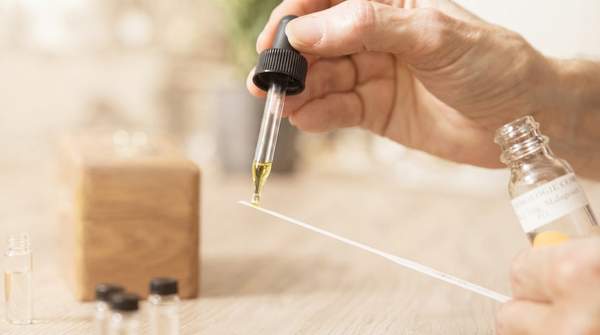
In a 12-week clinical study, a serum infused with adaptogens visibly reduced redness, dullness, pore size, and uneven pigmentation. This comprehensive formulation also decreased oiliness by 38% and boosted overall skin quality by 39%, according to nyscc. These improvements reveal the potent capacity of these botanical compounds to deliver broad-spectrum benefits, shifting skincare from single-issue treatments to an integrated approach.
Adaptogens are increasingly popular for general skin health, but their profound, specific cellular mechanisms for stress adaptation are not widely understood by many consumers. Often, the focus remains on superficial improvements rather than the deep, scientific backing that drives these plant-derived compounds' efficacy.
As research continues to uncover the intricate ways adaptogens enhance skin's resilience, they are poised to become a cornerstone of advanced, preventative skincare, moving beyond superficial treatments. This evolution emphasizes a proactive approach to maintaining skin vitality and addressing the root causes of chronic skin concerns.
What Are Adaptogens and How Do They Work in Skincare?
A systematic review identified 29 topical adaptogens promoting skin health and cosmesis via homeostatic mechanisms, according to pmc. These compounds were categorized by their safe, homeostatic, and multitargeted actions. Adaptogens stabilize stress signaling in the skin, balancing pathways linked to inflammation and oil production, as reported by usdermatologypartners. This suggests adaptogens offer a sophisticated, multi-pronged defense against chronic skin issues, moving beyond simple symptom relief to address underlying cellular imbalances.
While the adaptogen category includes many effective compounds, the depth of specific cellular understanding and proven efficacy varies significantly among individual adaptogens. Research has detailed the mechanisms of some, such as Withania somnifera, more extensively than others. This disparity in scientific validation can lead to inconsistencies in product performance and claims across the market, making it essential for consumers to seek out well-researched ingredients.

The Science Behind Skin Resilience: How Adaptogens Act at a Cellular Level
An extract of Withania somnifera attenuates endothelin-1-stimulated pigmentation in human epidermal equivalents through the interruption of PKC activity within melanocytes, according to skin. This same extract also attenuates stem cell factor-stimulated pigmentation by interrupting ERK phosphorylation within melanocytes. These examples confirm adaptogens don't just mask symptoms. They actively intervene in complex cellular pathways, regulating pigmentation and enhancing skin function for a profound solution.
Adaptogens move beyond generic antioxidant benefits by specifically interrupting the cellular signaling pathways that drive stress-induced skin issues, such as hyperpigmentation. This mechanism allows them to address the root causes rather than just mitigating downstream effects, providing a preventative solution. Their multi-targeted ability to balance diverse cellular pathways, including those for inflammation and oil production, contributes to broad clinical efficacy across multiple skin concerns like redness, dullness, and oiliness, offering a more comprehensive approach than single-target ingredients.
Navigating the Adaptogen Landscape: What to Look For
A study evaluated changes in target gene expression related to skin homeostasis following topical serum exposure, according to jcadonline. Rigorous scientific studies are crucial to validate adaptogens' precise impact on skin homeostasis. This detailed validation guides consumers toward effective formulations, distinguishing evidence-backed products from generalized claims.
Consumers should seek products that transparently cite specific research on their adaptogen ingredients and their mechanisms of action. The detailed mechanistic evidence available for certain adaptogens, like Withania somnifera, offers a stronger indication of potential efficacy compared to products relying on broad adaptogen categories without specific data. Understanding these distinctions is crucial for selecting skincare that delivers on its promises.
Maximizing Benefits: Integrating Adaptogens into Your Routine
Adaptogens are rich in polyphenols, boosting the efficacy of antioxidant skincare ingredients and reducing oxidative stress, as reported by usdermatologypartners. Leveraging adaptogens rich in polyphenols can significantly amplify the protective benefits of existing skincare routines. This creates a more robust defense against environmental damage and cellular stressors, enhancing the skin's natural resilience.
To maximize the benefits, consider incorporating adaptogen-rich serums or creams into your daily regimen, focusing on consistent application. Layering them with other complementary ingredients, such as ceramides for barrier support or hyaluronic acid for hydration, can further enhance overall skin resilience and appearance. This strategic integration helps build a stronger, more adaptable skin barrier over time.
Common Questions About Adaptogens in Skincare
Are adaptogens safe for all skin types?
Most adaptogens are generally considered safe for various skin types due to their balancing and homeostatic properties. However, individual sensitivities can occur, so patch testing new products is always recommended before full application. Specific adaptogen compounds, like Withania somnifera-derived carbon dots, have demonstrated protective effects on human epidermal cells, suggesting broad compatibility and minimal irritation.
Which adaptogens are best for anti-aging?
Adaptogens that proactively build skin resilience and support intrinsic repair mechanisms are particularly beneficial for anti-aging purposes. For example, Withania somnifera-derived carbon dots actively protect human epidermal cells against UVB-induced cell death and support growth factor-mediated wound healing, according to skin. This indicates their potential to enhance the skin's ability to adapt and recover from age-accelerating stressors, offering a preventative approach to visible aging signs.
The Future of Skincare: Building Resilient Skin from Within
If current research trends continue, adaptogens are likely to become indispensable in advanced skincare, driving a paradigm shift towards proactive, cellular-level resilience rather than reactive symptom management.