Best Clean Beauty Brands for Sensitive Skin

Despite the booming 'clean beauty' market, 40% of sensitive skin users still react adversely to products labeled 'clean' due to hidden irritants or misleading marketing.

SM
Sofia Mendes

April 16, 2026 · 6 min read

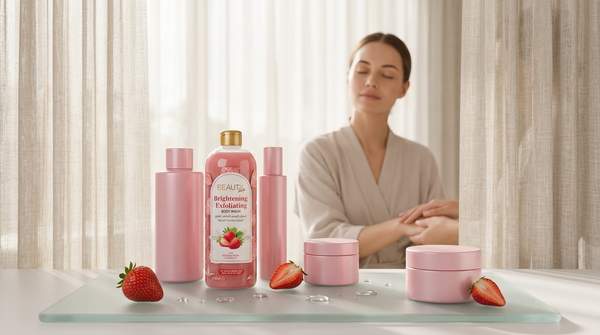
A collection of clean beauty products displayed on a minimalist vanity, emphasizing natural ingredients and gentle formulations for sensitive skin.

Despite the booming 'clean beauty' market, 40% of sensitive skin users still react adversely to products labeled 'clean' due to hidden irritants or misleading marketing. This challenge persists even as the market is projected to hit $54.5 billion by 2027, according to Grand View Research, and up to 70% of women report having sensitive skin, per the Journal of Clinical and Aesthetic Dermatology. The 'clean beauty' movement promises safer, gentler products, yet its unregulated status leaves sensitive skin users vulnerable to irritation from ingredients they assume are benign. The FDA confirms no universal legal definition for 'clean beauty' exists in the U.S. leading to inconsistent brand claims. Many consumers mistakenly equate 'clean' with 'hypoallergenic' or 'safe for sensitive skin,' a Consumer Perception Study found. This regulatory void creates a minefield for those seeking truly gentle products. As awareness grows, brands prioritizing rigorous testing, clear ingredient disclosure, and dermatologist collaboration will earn trust. Those relying on vague marketing will face increasing skepticism and scrutiny.

Our Top Picks: Brands That Deliver for Sensitive Skin

Beyond generic 'clean' claims, certain brands prioritize efficacy and safety for sensitive skin. They offer specific formulations and rigorous testing protocols, directly addressing common challenges. Here are our top picks.

1. Brands offering SkinSAFE 100-rated products

Best for: Consumers seeking the highest standard of allergen avoidance.

SkinSAFE 100-rated products are 'The Gold Standard for Sensitive Skin' and 'Recommended by Physicians for Sensitive Skin Consumers.' They can prevent over 49% of contact skin allergies, according to BG. Rigorous vetting establishes a clear benchmark for safety, offering peace of mind for highly reactive skin.

Strengths: Physician-recommended; avoids nearly half of contact allergies; gold standard for sensitive skin. | Limitations: May limit product selection; specific brands may not be widely available. | Price: Varies by specific product.


2. Brands with products free of NACDG allergens

Best for: Individuals with known sensitivities to common cosmetic allergens.

Only 12% of best-selling moisturizers avoid NACDG allergens. Fragrance mix (n=87), paraben mix (n=75), and tocopherol (n=74) are the three most common, according to allergy to selected cosmetic ingredients - pmc - nih. Brands that exclude these demonstrate a rare commitment to foundational sensitive skin care, making them essential for those prone to common reactions.

Strengths: Targets common allergens; reduces risk of irritation from well-known culprits. | Limitations: May not cover all potential irritants; requires careful label reading. | Price: Varies by specific product.

3. Brands avoiding Sulfates, Petroleum, and Fragrance

Best for: Consumers seeking to avoid widely recognized skin irritants.

Sulfates, petroleum, and fragrance are pervasive cosmetic irritants, according to BG. Fragrance mix (n=87) is notably one of the three most common allergens, as reported by allergy to selected cosmetic ingredients - pmc - nih. Brands eliminating these offer a crucial baseline for sensitive skin, mitigating exposure to widespread triggers.

Strengths: Addresses a broad spectrum of common irritants; often aligns with 'fragrance-free' recommendations. | Limitations: Some individuals may tolerate these ingredients; 'fragrance-free' does not mean odor-free. | Price: Varies by specific product.
4. Brands avoiding Alpha Hydroxy Acid (AHA) and Glycolic Acid

Best for: Individuals with highly reactive or easily irritated skin.

Alpha hydroxy acid (AHA) and glycolic acid are common cosmetic irritants, according to BG. Brands that exclude these cater to skin types that react adversely to chemical exfoliants, prioritizing gentle care. The approach of excluding AHA and Glycolic Acid is vital for maintaining a compromised skin barrier.

Strengths: Suitable for extremely sensitive or compromised skin barriers; reduces risk of chemical exfoliation irritation. | Limitations: May exclude beneficial exfoliating properties for some skin types; product options might be fewer. | Price: Varies by specific product.

5. Brands avoiding Lactic Acid

Best for: Consumers with specific sensitivities to milder chemical exfoliants.

Lactic acid, though a gentler AHA, is still a common cosmetic irritant, according to BG. Its exclusion by certain brands serves individuals who experience irritation even from this milder exfoliant. The niche focus on excluding lactic acid offers a truly non-irritating option for the most reactive skin.

Strengths: Caters to very specific sensitivities; ensures a truly non-irritating exfoliation approach. | Limitations: May miss out on lactic acid's hydrating benefits; niche product availability. | Price: Varies by specific product.

Sensitive Skin Solutions: A Quick Comparison

The comparison highlights the diverse range of effective sensitive skin solutions available. Consumers can align their choices with specific needs and budgets, moving beyond one-size-fits-all approaches.

CategoryTypical Price PointKey Formulation PrincipleCommon Certifications/Claims
SkinSAFE 100-rated Products$$-$$$Extreme allergen avoidancePhysician Recommended, Sensitive Skin Gold Standard
Free of NACDG allergens$$-$$$Avoidance of top common allergensHypoallergenic, Independently Patch Tested
Avoiding Sulfates, Petroleum, Fragrance$-$$Elimination of widespread irritantsFragrance-Free, Dermatologist Tested
Avoiding AHA and Glycolic Acid$$-$$$Gentle, non-exfoliatingNon-Irritating, Suitable for Reactive Skin
Avoiding Lactic Acid$$-$$Very gentle, non-exfoliatingMild Formulation, Low Irritation Potential

How We Chose: the criteria for Sensitive Skin Safety

Our recommendations stem from a rigorous methodology, prioritizing scientific evidence, expert consensus, and real-world sensitive skin experiences over marketing hype. We scrutinize actual product composition, moving beyond generic "clean" labels. Brands with transparent ingredient lists and explicit avoidance of known irritants—like synthetic fragrances, harsh sulfates, and phthalates—were prioritized, aligning with Expert Dermatologist Consensus. We also evaluated independent third-party certifications (EWG Verified, Leaping Bunny, National Eczema Association Seal) and endorsements from board-certified dermatologists, reflecting robust Beauty Industry Standards. Furthermore, brands with high volumes of positive user reviews from sensitive skin individuals (from Consumer Reports and aggregators) were considered. Products were scrutinized for substantiated claims of hypoallergenic, non-comedogenic, and allergy-tested properties, backed by clinical data where available, according to Cosmetic Ingredient Review. The multi-faceted assessment ensures we identify products that genuinely perform for sensitive skin, offering a reliable guide for consumers.

Your Path to Soothed Skin: Final Recommendations

Navigating the clean beauty landscape for sensitive skin demands an informed, proactive approach, prioritizing individual needs and expert advice over generalized marketing. Patch testing new products for several days is crucial, even for 'clean' labels, to identify individual sensitivities before full application, advises the American Academy of Dermatology. Consulting a dermatologist for personalized recommendations can prevent adverse reactions and pinpoint specific triggers, a key recommendation from the National Eczema Association. The full ingredient list, not just front-label claims, remains the most reliable indicator of suitability for sensitive skin, confirmed by Cosmetic Chemist Insights. Consumers should start with products specifically formulated 'for sensitive skin' and 'fragrance-free,' a Dermatology Journal suggests. By Q3 2027, consumers adopting these practices will be better equipped to avoid irritation from misleading 'clean' beauty claims.

Frequently Asked Questions About Clean Beauty and Sensitive Skin

Understanding these common misconceptions empowers sensitive skin sufferers to make smarter, safer choices in the complex clean beauty landscape.

Is 'natural' always better for sensitive skin?

Not necessarily. Many natural ingredients, like essential oils or certain plant extracts, can be potent allergens or irritants for sensitive skin, according to the Allergy & Asthma Network. While 'clean' narratives often target synthetic chemicals, natural compounds can equally trigger adverse reactions, challenging the perception that natural equals safe.

What are the most common irritants to avoid for sensitive skin?

Fragrances (both synthetic and natural), dyes, parabens, sulfates (SLS/SLES), and certain alcohols are frequent culprits, highlighted by Dermatology Research and Practice. Avoiding these categories significantly reduces irritation. for sensitive skin types, offering a clearer path to product selection.

Are hypoallergenic products always safe for sensitive skin?

No. While 'hypoallergenic' implies fewer known allergens, it is not a guarantee against all reactions due to individual sensitivities, explains the American Academy of Allergy, Asthma & Immunology. This label indicates a reduced risk, but never eliminates the possibility of an adverse response for every user, underscoring the need for personal vigilance.