In the first nine months of 2023, Brunello Cucinelli, a brand synonymous with understated elegance, saw its revenue surge by 27.5%, with nearly half (49.7%) of that growth originating from China and 21.7% from the United States, according to CXG. This substantial financial performance from a brand known for its quiet luxury accessories and apparel confirms robust demand for discreet, high-quality products among affluent consumers globally. The brand's significant growth in China, specifically, challenges traditional perceptions of the Chinese luxury market, which historically favored logo-centric displays. A powerful underlying shift in luxury consumer preferences across key global markets signals a robust demand for discreet, investment-grade quality that transcends regional stereotypes. Such a pivot towards intrinsic value holds profound implications for the future of luxury brand positioning.
The essence of luxury is becoming less about visible branding and more about discreet quality, but its market growth and financial impact are becoming increasingly pronounced. This creates a paradox where individual consumption remains understated, yet the collective economic force of quiet luxury is anything but silent.
Based on the sustained spending habits of the wealthy and significant market projections, brands that master understated quality and exclusivity are poised to dominate the future of the luxury sector, while those relying on overt branding may face diminishing returns.
What Defines Quiet Luxury?
Quiet luxury is defined by the consumption of goods and experiences devoid of ostentatious logos or social markers, according to Hospitality Insights. A key characteristic is the absence of conspicuous branding on clothing and accessories, as noted by Pomp. The approach prioritizes intrinsic value, subtle aesthetics, and personal appreciation over external validation. Luxury purchases shift, prioritizing status communicated through quality and design over overt branding, according to Taylor. The redefinition of status emphasizes personal discernment over public display, fundamentally altering how luxury is perceived and consumed.
The Discerning Consumer Behind the Trend
The truly wealthy remain insulated from economic uncertainty and inflation, consistently spending on top quality, casual elegance, understatement, and investment value, as observed by CXG. These luxury customers seek high levels of craftsmanship, quality, and rarity, willing to pay a premium for these attributes. The trend, now more general in luxury consumption, reveals quiet luxury is driven by a desire for enduring value, superior craftsmanship, and sophisticated self-expression, transcending fleeting trends. The success of brands focusing solely on high-net-worth clientele with no entry-level products confirms that the 'quiet' aspect of luxury filters for exclusivity, ensuring participation only by those who truly value intrinsic quality. A strategic focus on exclusivity cultivates a loyal segment impervious to broader economic fluctuations.
The Quiet Market's Loud Growth
The silent luxury goods market is projected to grow from USD 147.52 billion in 2025 to USD 278.13 billion by 2034, exhibiting a Compound Annual Growth Rate (CAGR) of 7.3% during this period, according to Polaris Market Research by 2034, exhibiting a Compound Annual Growth Rate (CAGR) of 7.3% during this period, according to Polaris Market Research. A robust growth forecast, combined with the strong market position of brands focusing on high-net-worth clientele (as reported by CXG), establishes quiet luxury as a powerful economic force, not merely a niche aesthetic. The rapid projected growth, coupled with the wealthy's insulation from economic uncertainty, positions quiet luxury as a resilient segment poised for sustained expansion. The trajectory suggests that brands failing to adapt to this demand for understated quality risk ceding significant market share to more discerning competitors.
Ethical Production and Broader Influence
Brunello Cucinelli's commitment to ethical production processes in Solomeo, Italy, is well-established, according to Von Baer. The commitment extends beyond material quality, encompassing a brand's values and resonating with a discerning clientele. The sourcing of rare materials and ethical production are integral components of the "investment value" sought by the truly wealthy, transforming luxury goods into tangible assets. The ethical dimension is no longer a mere differentiator but a core expectation, influencing purchasing decisions as much as design or utility. Companies failing to embed ethical production and rare material sourcing into their core identity will struggle to capture the discerning, investment-minded consumer who values provenance and integrity.
The Strategic Imperative of Craftsmanship and Materials
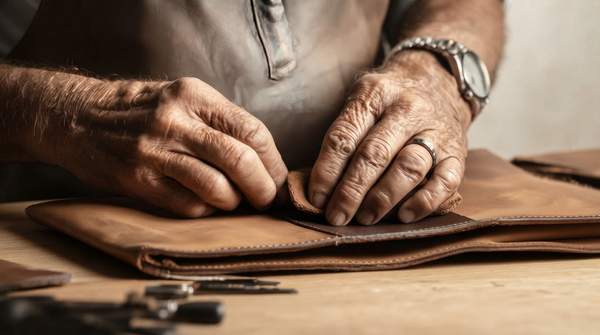
Exceptional materials and superior craftsmanship are not merely features of quiet luxury; they are its strategic foundation. Brands like Loro Piana, renowned for sourcing the rarest vicuña wool, and Brunello Cucinelli, with its meticulous ethical production, demonstrate that intrinsic quality builds enduring brand equity. The emphasis on longevity, tactile experience, and understated design over fleeting trends ensures products offer sophisticated appeal and investment value. The meticulous attention to detail, from initial design to final stitch, communicates a dedication that resonates deeply with discerning buyers. Furthermore, the origin story and ethical sourcing of materials, such as rare organic cotton or sustainably harvested bamboo, become powerful narratives that enhance perceived value and exclusivity. For brands, mastering these elements is no longer a differentiator but a prerequisite for capturing the discerning consumer who values intrinsic worth above all. The strategic pivot elevates luxury goods from mere purchases to cherished heirlooms, securing their place in a consumer's portfolio of enduring assets. A deeper, more personal connection between the brand and its clientele is also fostered, moving beyond transactional relationships to one built on shared values and appreciation for authentic artistry. Brands that fail to prioritize this foundational commitment risk being perceived as superficial, unable to compete with the profound substance offered by true quiet luxury leaders.
The Enduring Influence of Discretion
The growing preference for quiet luxury marks a significant shift: intrinsic value and discreet sophistication are now primary drivers of high-end consumer decisions. Brands prioritizing overt branding and entry-level products risk marginalization as the truly wealthy, insulated from economic shifts, consolidate spending on discreet, investment-grade quality. With the silent luxury market projected to nearly double by 2034, reaching USD 278.13 billion, the future of high-end retail appears to lie in cultivating an unwavering commitment to intrinsic quality and exclusivity. The trajectory demands a strategic reorientation for brands, emphasizing authentic craftsmanship and sustainable practices. Brands like Brunello Cucinelli, with their focus on ethical production and investment-grade quality, are likely to further solidify their market position, setting a benchmark for enduring success in the evolving luxury landscape.