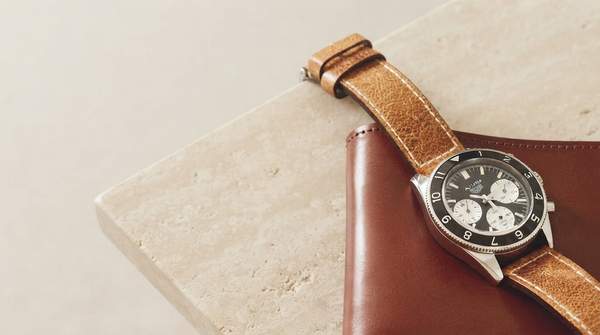
In 2026, a new TAG Heuer Monaco Evergraph model will command $25,000. This price is not for digital connectivity, but specifically for its high-frequency automatic chronograph movement and COSC certification. The $25,000 valuation positions luxury timepieces as engineering marvels, emphasizing internal complexity over external digital integration. While the market increasingly expects luxury watches to embrace smart technology, evidenced by the Apple Watch launch in 2015, leading luxury brands are instead doubling down on advanced mechanical engineering and materials. Luxury watchmaking will likely continue this evolution, integrating cutting-edge materials and sophisticated mechanical movements. Integrating cutting-edge materials and sophisticated mechanical movements creates a distinct segment of 'high-tech mechanical luxury' rather than competing directly with digital smartwatches. The cultivation of 'high-tech mechanical luxury' positions their products as anti-tech status symbols for an elite seeking tangible craftsmanship over digital functionality, effectively cultivating a 'dumb luxury' market.
The Unbroken Chain of Mechanical Innovation
The historical pursuit of precision has long defined luxury watchmaking, forming an unbroken chain of mechanical innovation. The foundational ethos of historical precision, exemplified by early chronometer certifications, continues to evolve into a modern strategy of extreme mechanical and material innovation. Rolex's 1931 'Perpetual Rotor', the world's first self-winding mechanism, further illustrates this continuous drive for internal mechanical ingenuity, providing continuous power without manual winding. True luxury in horology perfects timeless engineering through continuous refinement, rather than adapting to new digital technologies. The consistent historical emphasis on mechanical innovation, from early precision standards to new high-frequency calibers, confirms luxury watchmakers prioritize internal engineering mastery.
The Quartz Revolution and Digital Challenge
In 1969 (over 50 years ago), Seiko introduced the world's first quartz-powered wristwatch, the Astron, offering superior accuracy and affordability. The advent of quartz technology, with Seiko's Astron, challenged traditional mechanical watchmaking, forcing the industry to re-evaluate its value proposition. The subsequent emergence of smartwatches, such as the Apple Watch in 2015, further intensified this disruption by adding digital functionalities. The emergence of quartz technology and smartwatches did not diminish the luxury mechanical watch market. Instead, they pushed high-end brands to double down on their unique strengths, transforming perceived technological 'backwardness' into a hallmark of exclusive craftsmanship and anti-digital status.