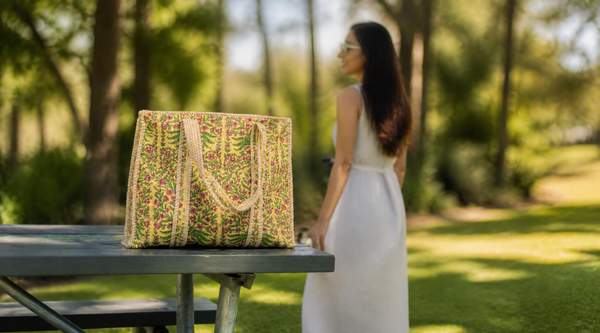
A Dior handbag, priced at $2,800, was reportedly manufactured for just $57 before material costs, according to zanniee. The $57 production cost for a $2,800 Dior handbag reveals minimal intrinsic production value compared to the final retail price, challenging consumer perceptions of genuine luxury. Such a gap confirms that material and labor costs contribute minimally to the end-user's overall expenditure.
Luxury handbags are marketed as symbols of exquisite quality and elevated status. Yet, their actual production expenses are often minimal, many using inexpensive, non-premium materials. This contradiction exists between perceived grandeur and the underlying material reality of these high-end items.
As consumers gain awareness of production realities and ethical alternatives, the perceived value of traditional luxury brands may shift. Transparency and genuine craftsmanship could then outweigh pure brand status, particularly in the realm of luxury handbag design by 2026.
The reported $57 production cost for a $2,800 Dior handbag, before materials, confirms a profound disconnect between pricing and inherent value. The $57 production cost constitutes a minuscule percentage of its retail price, indicating that factors beyond manufacturing expense drive consumer costs. Brand perception, therefore, commands an astronomical premium, far outweighing tangible material and labor inputs.
This pricing model, as reported by zanniee, suggests the luxury industry sells a meticulously crafted illusion of status rather than superior quality or intricate craftsmanship. Consumers primarily invest in a brand's image and exclusivity. This practice prioritizes marketing and desirability over the product's intrinsic worth.
The Illusion of Exclusivity: What Are You Really Paying For?
Top designer handbags generally cost $160 to $200 to produce, including materials and labor, according to zanniee. The $160 to $200 production cost confirms that the vast majority of the retail price covers expenses beyond manufacturing, often accounting for marketing, overhead, and significant profit. Many of these bags, despite their high price, use inexpensive, non-premium materials like coated canvas or plastic-based leathers, as also noted by zanniee. This directly contradicts consumer expectations of superior material quality, where luxury implies genuine substance. The use of such materials, while cost-effective for brands, exposes a fundamental disconnect in perceived versus actual product worth. Consumers, therefore, pay top dollar for materials that are anything but luxurious, effectively trading genuine value for a brand's logo.
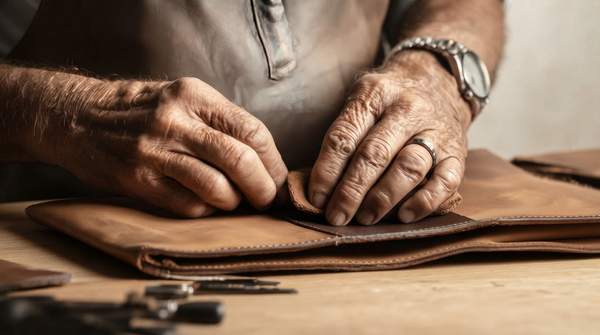
Real luxury, by definition, focuses on quality, craftsmanship, and functionality, according to zanniee. This definition diverges from current market reality, where perceived value often stems from brand association. The discrepancy confirms that for many high-end bags, the price tag primarily reflects brand marketing and status, not necessarily superior materials or intricate labor.
Beyond the Brand: The True Cost of Status
Luxury handbags function as powerful status symbols, communicating wealth, success, and belonging, as reported by zanniee. The symbolic power of luxury handbags consistently overshadows the item's actual material or construction quality, making the inherent value secondary. Consumers, therefore, primarily purchase an image rather than intrinsic value. The market's definition of luxury, centered on status, sharply diverges from craftsmanship and functionality. This emphasis on branding allows companies to command exorbitant prices for items with minimal production costs, where symbolic power becomes the primary value proposition. The true cost of status, then, is a market dynamic that devalues tangible quality in favor of perceived social standing and brand recognition.
Significant profit margins in the luxury sector, driven by brand perception, exploit consumer desire for social signaling. While traditional luxury brands benefit, this model often diminishes genuine craftsmanship by prioritizing mass-produced 'luxury' items. This focus on status over substance misleads consumers about the true investment in quality.
A New Definition of Luxury: Ethics, Sustainability, and Value
Ethical handbag manufacturers present a counter-narrative to traditional luxury, focusing on genuine quality and responsible production, according to platforms like Good On You. These brands prioritize transparency in supply chains and material sourcing. They redefine luxury through practices benefiting both consumers and the environment.
Consumers increasingly seek products aligning with personal values, shifting demand toward brands emphasizing fair labor and sustainable materials. The growing demand for products aligning with personal values creates a market where intrinsic value, not just brand prestige, holds significant weight. Ethical practices define these emerging brands.
Ethical brands prove high quality and desirable design coexist with strong ethical and environmental standards, providing a compelling alternative to conventional luxury. These companies often use innovative, eco-friendly materials and ensure fair wages for artisans. This approach challenges the traditional luxury model with a more substantive value proposition.
Making Informed Choices in the Luxury Market
Understanding the actual production costs and material compositions of luxury handbags empowers discerning purchasing decisions. The stark contrast between manufacturing expenses and retail prices confirms the substantial premium placed on brand perception. Understanding actual production costs and material compositions enables buyers to evaluate an item's value against its price.
Consumers hold the power to choose brands prioritizing genuine craftsmanship, ethical production, and sustainable materials over pure logo recognition. The shift in purchasing habits toward brands prioritizing genuine craftsmanship, ethical production, and sustainable materials influences the broader luxury market, compelling greater transparency and accountability from established brands. True luxury, ultimately, becomes a personal definition, extending beyond mere branding.
The continued scrutiny of production practices by consumers in 2026 will likely compel more traditional luxury brands to enhance transparency. The continued scrutiny of production practices by consumers may redefine their value propositions beyond mere branding, focusing instead on verifiable quality and ethical sourcing. Brands like Hermès, known for high craftsmanship, may see increased demand for greater detail in their material origins and labor practices.