How High-End Jewelry Design and Production Processes Work

Before a single piece of metal is cut, CAD/CAM software can render a photorealistic image of a high-end jewelry design, according to whiteflash , yet the final exquisite detail still demands the preci

OD
Oliver Dane

June 18, 2026 · 3 min read

A master jeweler's workbench showcasing a blend of traditional tools, intricate gold filigree, a sparkling diamond, and advanced CAD/CAM technology on a screen.

Before a single piece of metal is cut, CAD/CAM software can render a photorealistic image of a high-end jewelry design, according to whiteflash, yet the final exquisite detail still demands the precise touch of an artisan's hand. This advanced visualization refines complex geometries and envisions light on precious stones with unprecedented clarity. It shapes initial forms for high-end jewelry design and production in 2026. Digital tools offer precision, but physical creation still demands complex, multi-stage artisanal handwork. The future of high-end jewelry production will likely see deeper integration of digital and traditional methods, elevating both design possibilities and specialized human skill.

The Dual Nature of High-End Jewelry Creation

Cast jewelry items originate from a CAD design but consistently require artisan shaping and finishing, as described by jewelrydesigns. Digital tools streamline design visualization and initial form creation; however, intricate physical refinement and detailed shaping remain manual. This division ensures that while design possibilities expand, the artisan's role in delivering tangible quality remains essential.

The Artisan's Touch: Assembling Intricate Beauty

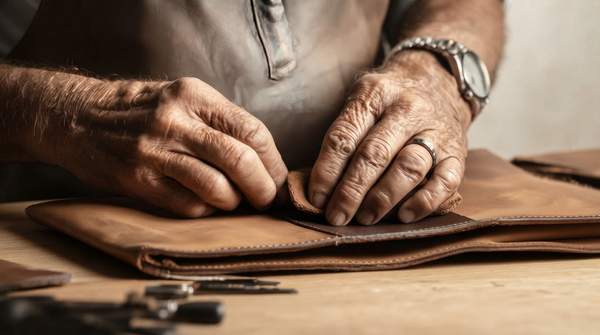
Bench jewelers perform jewelry fabrication, assembling separate elements into a finished item, according to jewelrydesigns. This hands-on expertise is crucial for creating complex designs, as artisans transform individual components into a cohesive, finished piece with precision and artistic judgment. Their skill extends beyond simple assembly, requiring a deep understanding of part interaction, structural integrity, and aesthetic harmony.

Mastering the Heat: The Precision of Soldering

Jewelry fabrication uses different solder temperatures: hard solders apply first for high-temperature components, followed by lower temperature solders for subsequent layers, according to jewelrydesigns. This intricate sequencing requires deep technical skill and cumulative experience to execute complex assemblies without compromising integrity.
This sequencing confirms artisanal handwork as a specialized, multi-stage mastery of material properties and precise application. Digital design can plan for this complexity, but cannot execute or fully simulate the physical interaction. Such precision prevents previous solder joints from melting, demanding extreme control and knowledge from the artisan.

Casting vs. Fabrication: Understanding the Core Methods

How is bespoke jewelry made?

Bespoke jewelry is often made through fabrication, a process that avoids casting and involves creating a piece directly from metal parts, according to whiteflash. This method allows for highly customized designs built piece by piece from refined metal stock. Artisans can shape, solder, and assemble components to meet specific client requests, ensuring a truly unique item.

The Enduring Art of Hand Forging

Hand forging creates jewelry items from refined metal stock using techniques like wire pulling and hammering, according to whiteflash. This traditional method, bypassing the casting pipeline, relies entirely on manual dexterity and an artisan's physical strength. It confirms that some of the most valued qualities in high-end jewelry still stem from ancient craft.

The continued practice of hand forging confirms that purely manual techniques retain significant relevance, even as digital tools redefine initial design. Unique textures and forms from direct metal manipulation often differentiate exceptional pieces. By Q4 2026, demand for artisans skilled in hand forging and other direct metal manipulation techniques is projected to remain robust, especially for bespoke creations.